
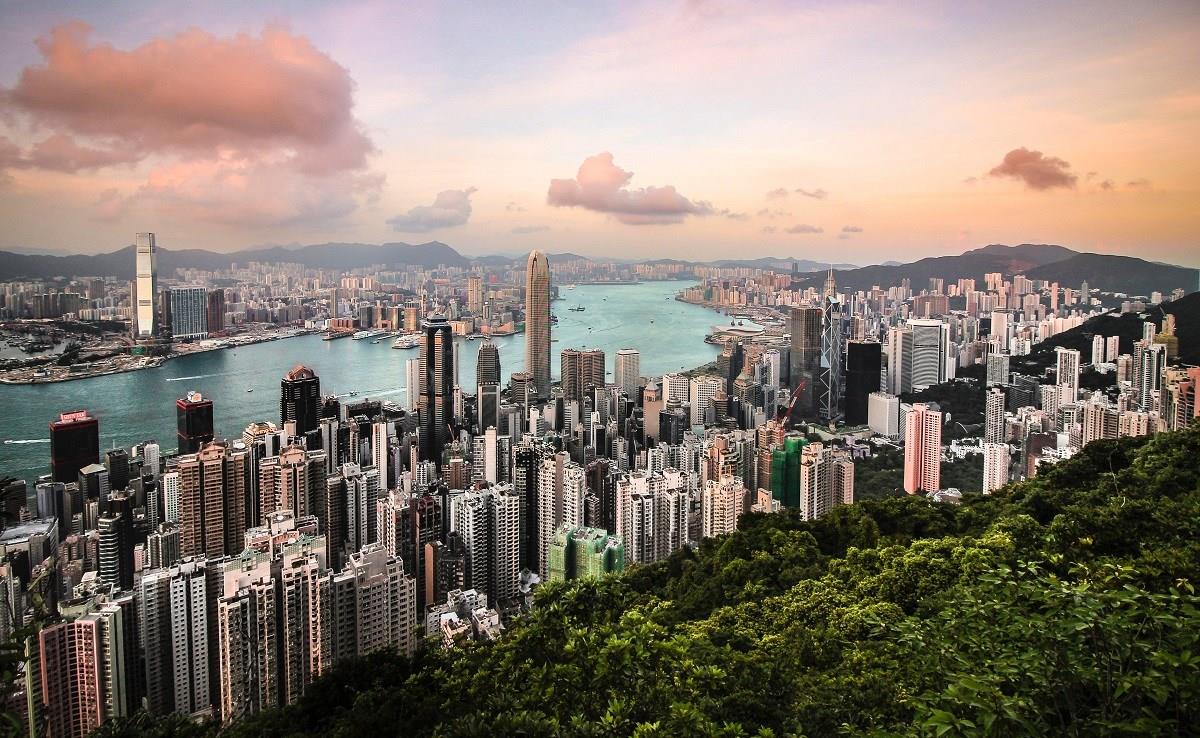
Hong Kong
Hong Kong, a Special Administrative Region of China, is a destination where skyscrapers meet the sea and mountains. Its dramatic skyline, best admired from Victoria Harbour or the Peak, reflects its role as a global financial hub.
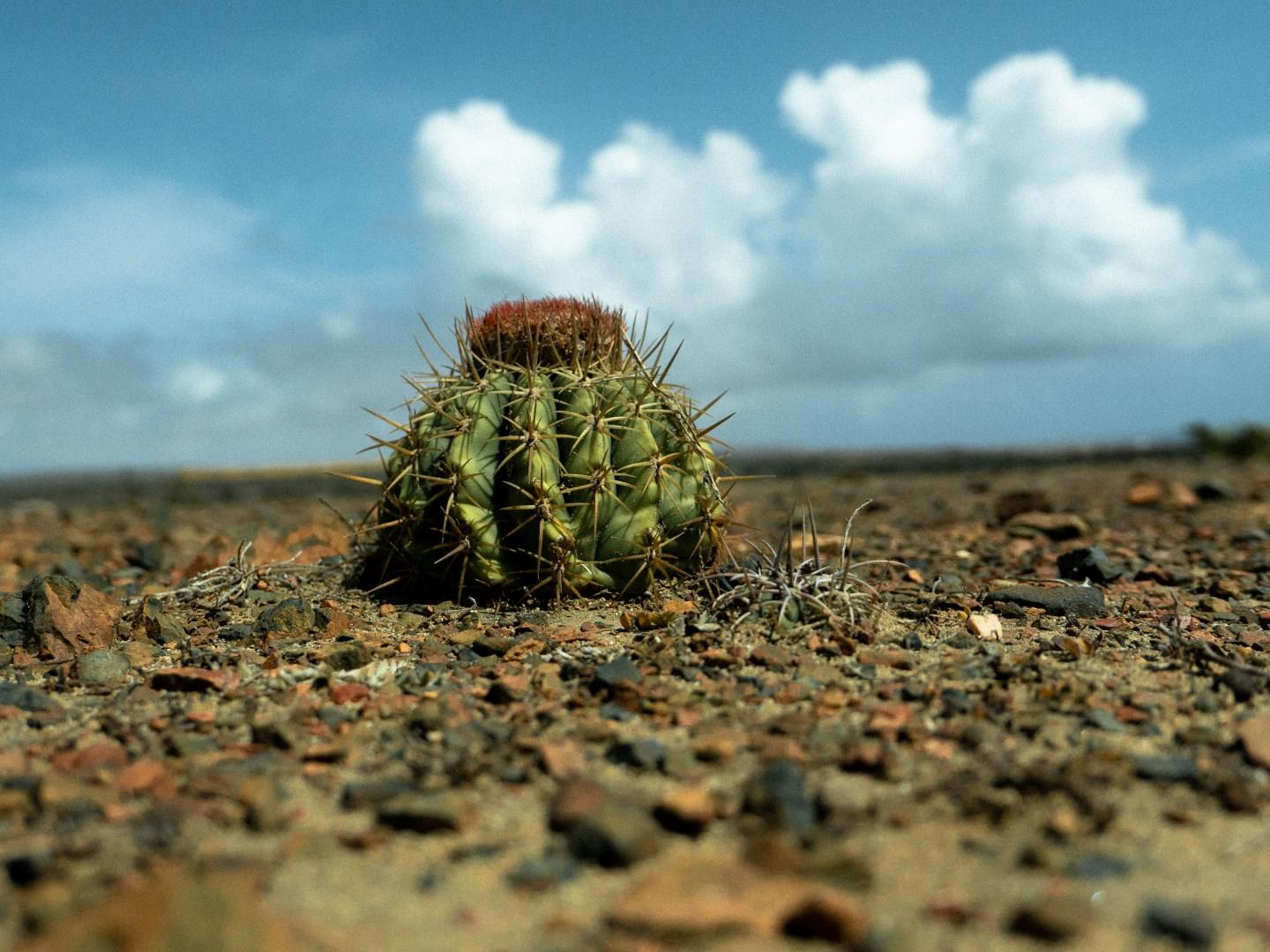
Arikok National Park
Arikok National Park, covering nearly 20% of Aruba, is a striking showcase of the island’s rugged landscapes, cultural history, and biodiversity. Unlike the postcard image of Aruba’s white-sand beaches, Arikok reveals a wilder side, with windswept hills, desert-like terrain, and dramatic limestone cliffs meeting the sea.
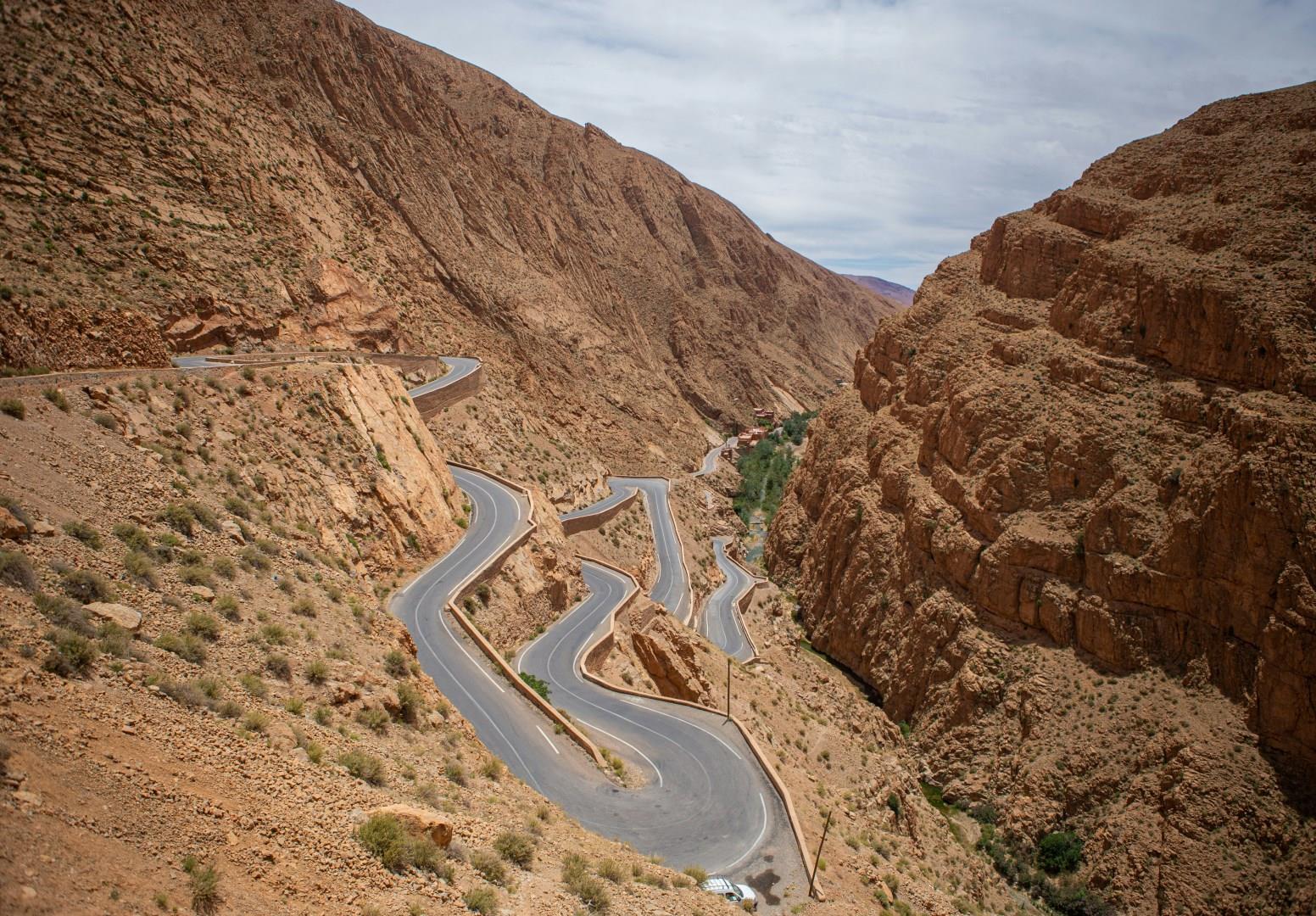
Dades Gorges
The Dades Gorges, carved by the Dades River in Morocco’s High Atlas Mountains, offer a winding stretch of road, towering rock walls, and centuries-old kasbahs perched on the cliffs. Located between the towns of Boumalne Dades and M’semrir, the gorge is especially known for its switchback road, often nicknamed “the snaking road of Tissadrine.” It’s a favorite among photographers and motorcyclists, with hairpin curves that reveal a new layer of landscape with every turn.

Coffee Axis
Nestled in the heart of the Andean mountains, Colombia's Coffee Region, or “Eje Cafetero,” is a lush tapestry of rolling hills, fertile valleys, and towering wax palms. This UNESCO World Heritage-listed landscape is more than just the epicenter of Colombia's coffee production—it is an invitation to explore a culture steeped in tradition, warmth, and a deep appreciation for the natural world.

Vanuatu
Vanuatu, a chain of 83 islands in the South Pacific, offers travelers an experience that’s both bold and deeply rooted in custom. Once known as the New Hebrides, Vanuatu blends ancient Melanesian traditions with dramatic landscapes shaped by volcanic activity. On Tanna Island, visitors can stand at the rim of Mount Yasur, one of the world’s most accessible active volcanoes, and watch fiery eruptions light up the night sky.
