

Alghero Sardinia
Alghero, located on the northwest coast of Sardinia, Italy, is a seaside city that blends history, culture, and natural beauty.
Timor-Leste
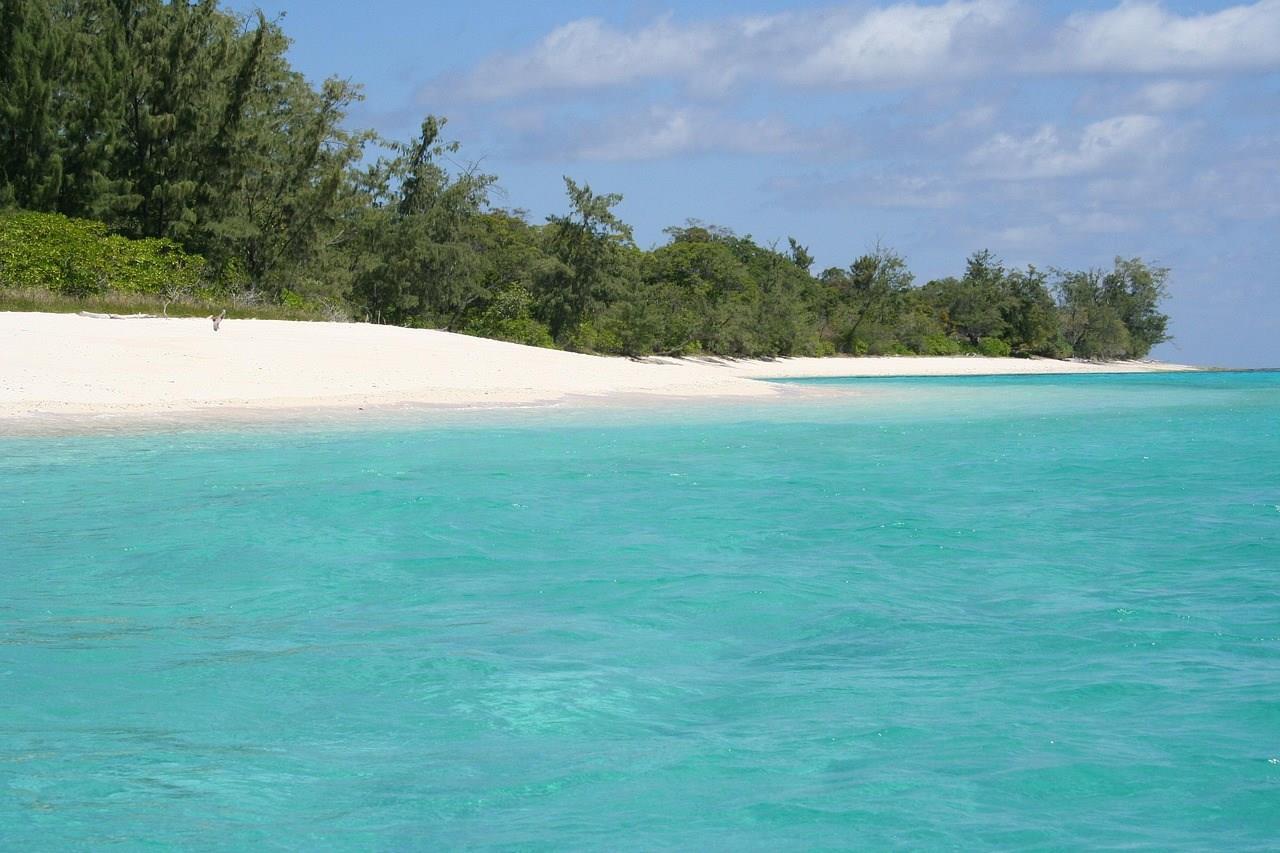
Timor-Leste, one of the world’s youngest nations, is a place where resilience and cultural richness shape everyday life. Its history is deeply marked by centuries of Portuguese colonial rule, followed by Indonesian occupation and a long struggle for independence, achieved in 2002.

Serbia
Serbia is a country where centuries-old monasteries sit just a short drive from lively cities, and where the past is never far from daily life. In Belgrade, the capital, Kalemegdan Fortress offers panoramic views where the Danube meets the Sava River. This fortress has witnessed more than 100 battles and been rebuilt many times over two millennia. Within its walls are Roman ruins, an open-air military museum, and quiet park paths perfect for wandering between centuries of layered history.
West Yellowstone
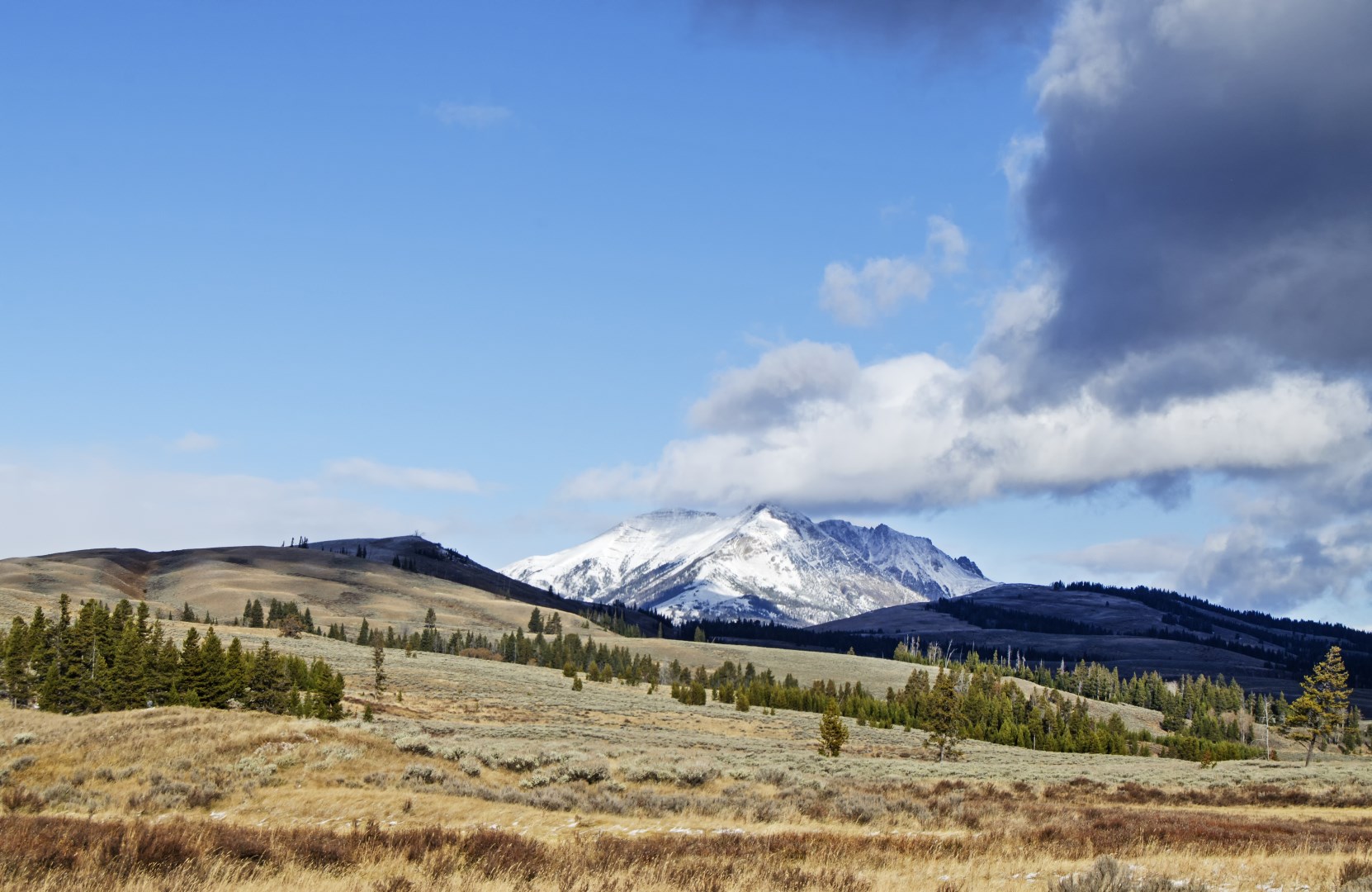
West Yellowstone, Montana sits right at the edge of one of the most visited protected landscapes in the United States, serving as a gateway to vast forests, geothermal fields, and wide open valleys. The town is built around travel into nearby wilderness, with simple log-style buildings, outdoor gear shops, and easy access points that lead directly toward major park entrances.
St. Kilda
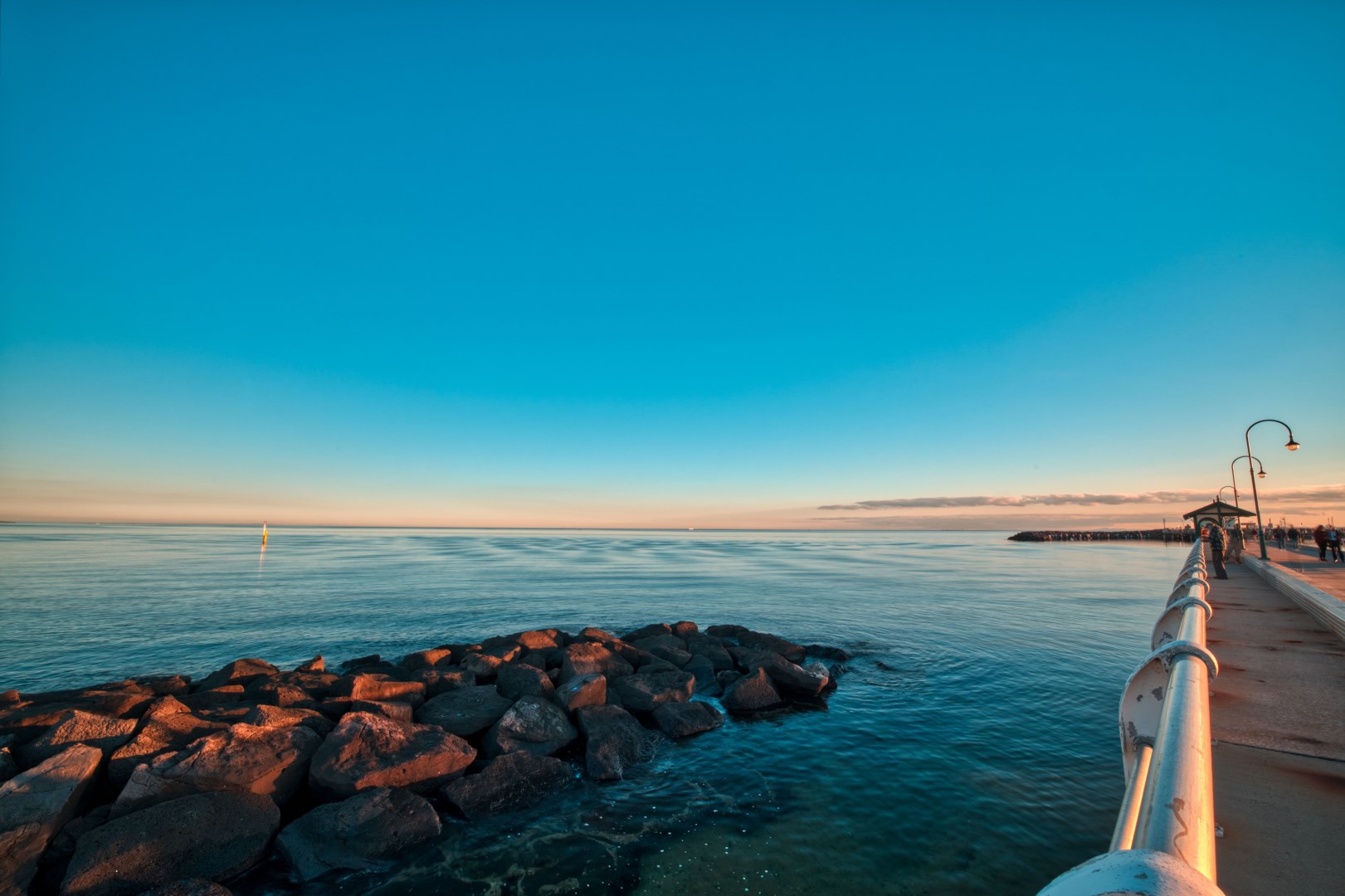
Set along the shoreline of St Kilda, Victoria, Australia, this seaside suburb offers a relaxed coastal setting just minutes from central Melbourne, Victoria, Australia. Its wide promenade, lined with palm trees, draws both locals and visitors who come to walk, cycle, or simply watch the bay. The historic St Kilda Pier stretches into the water, offering open views of Port Phillip Bay and a steady breeze that carries the scent of salt and sea.
