
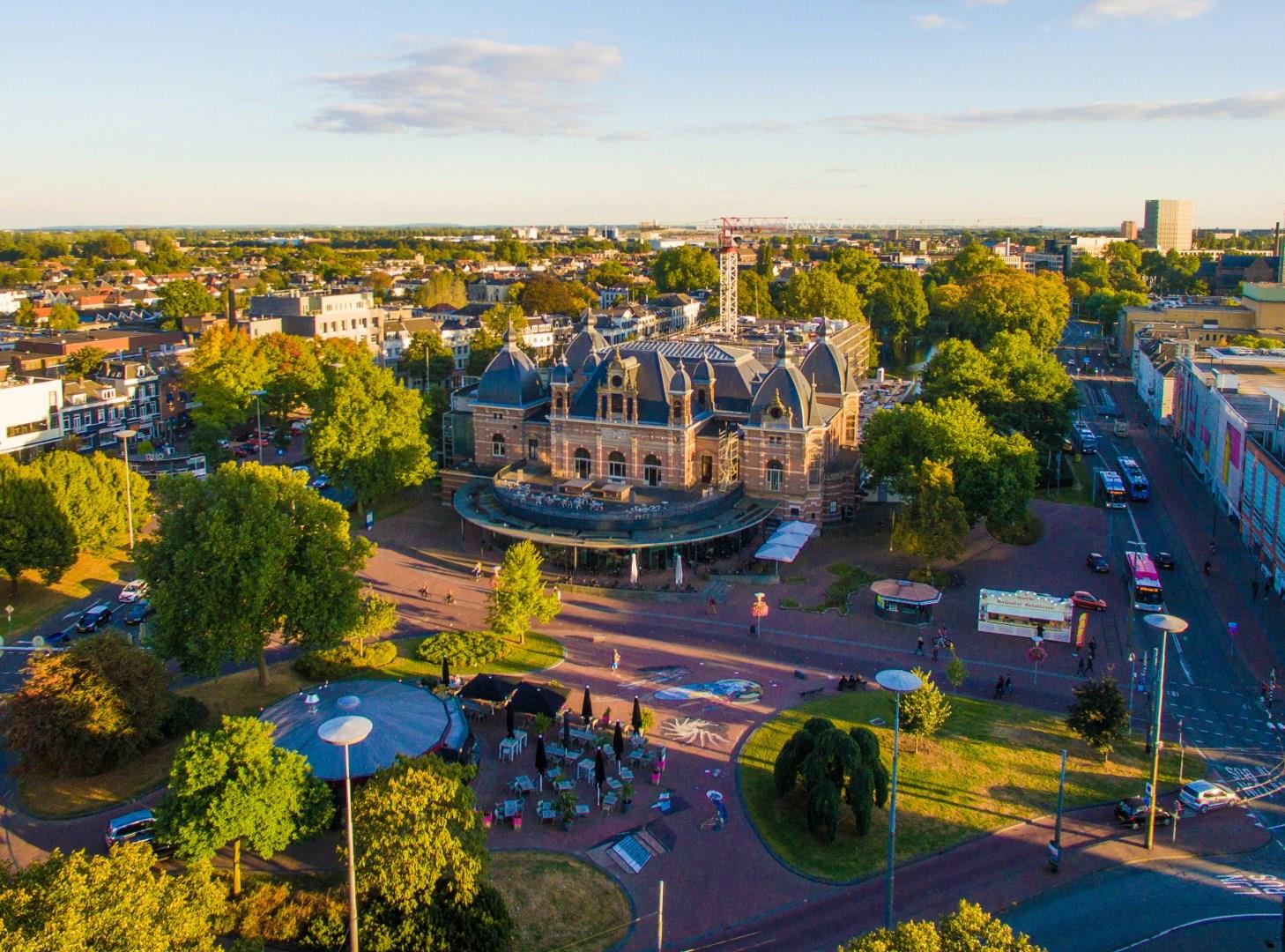
Arnhem
Arnhem has strong ties to Dutch fashion and design, thanks to ArtEZ University of the Arts. Graduates from its fashion department have gone on to international acclaim, and their influence is visible in boutiques and creative spaces throughout the Modekwartier (Fashion Quarter). This district features workshops, studios, and cafes where visitors can meet designers and even purchase one-of-a-kind pieces made on-site.
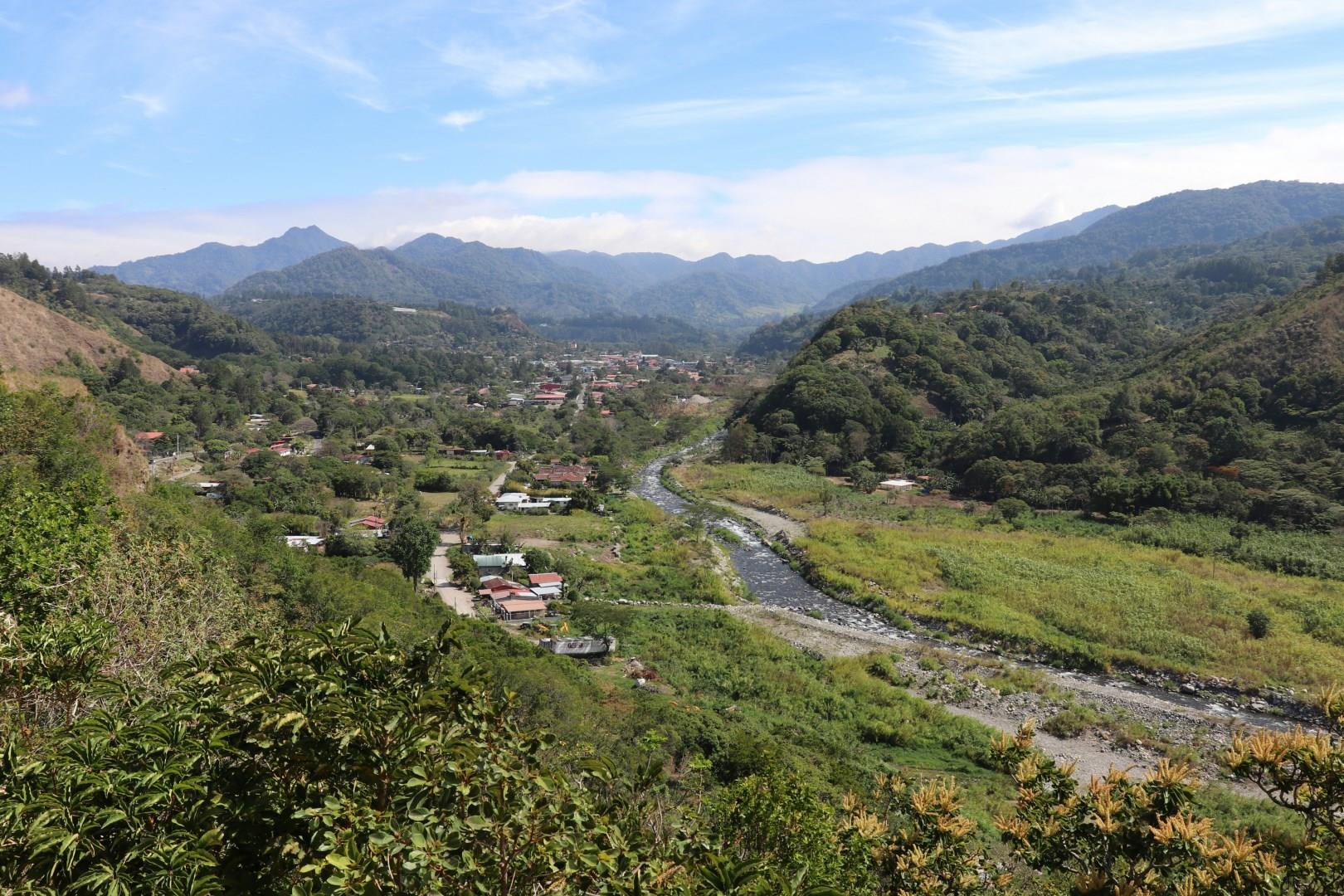
Chiriquí
Chiriquí, a province in western Panama, offers a striking variety of landscapes, from highland cloud forests to golden Pacific beaches. Bordered by Costa Rica to the west, it’s known for its rich agriculture, coffee plantations, and impressive volcano views. The capital city, David, serves as the main hub for travelers, but many of the region’s most memorable experiences are found in its rural towns, mountain valleys, and coastal areas.
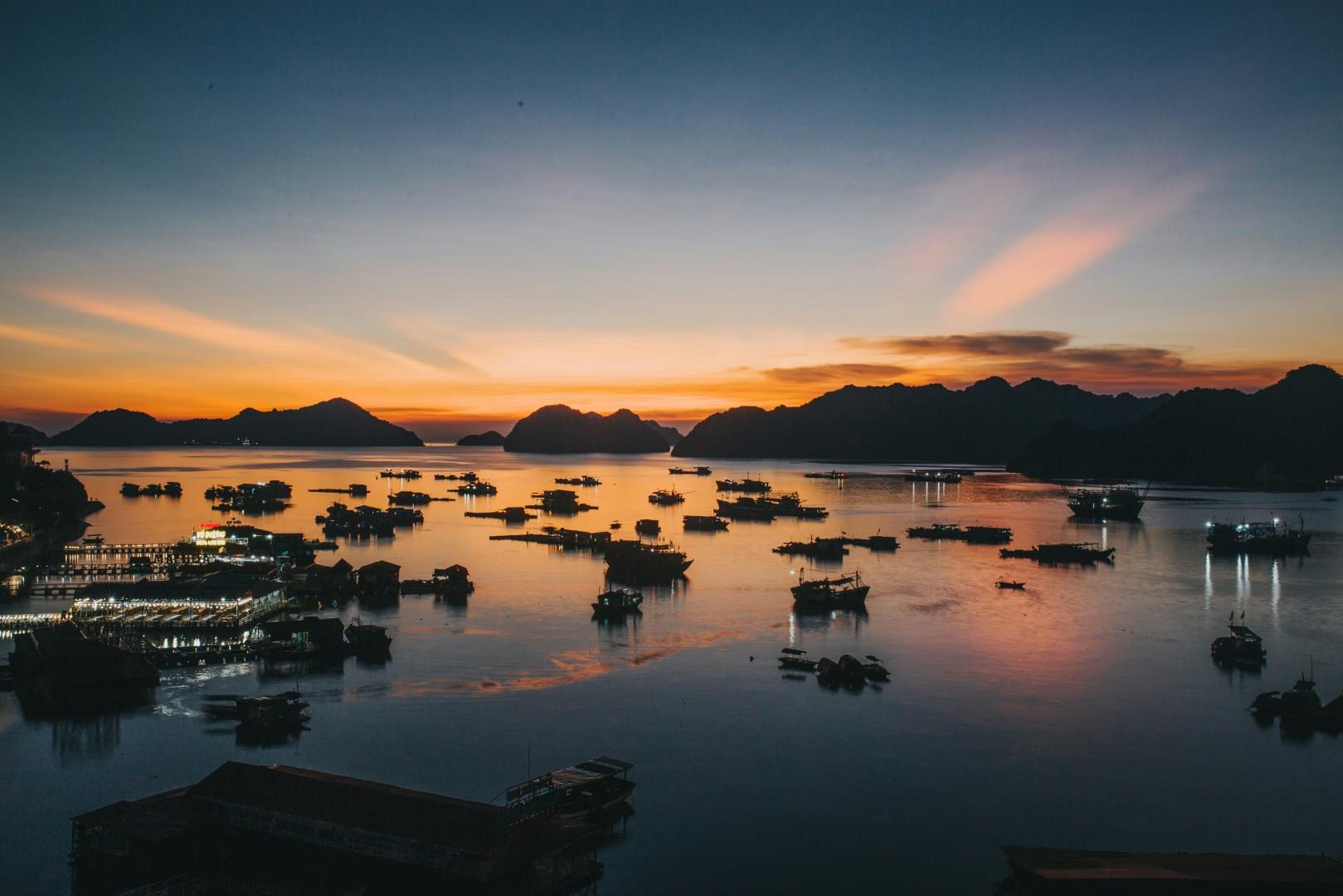
Cát Bà
Cat Ba, the largest island in Vietnam’s Halong Bay, is a striking mix of rugged limestone cliffs, hidden coves, and vibrant jungle. Long home to fishing communities, the island has retained its local charm while also becoming a gateway to the natural wonders of the surrounding bay.
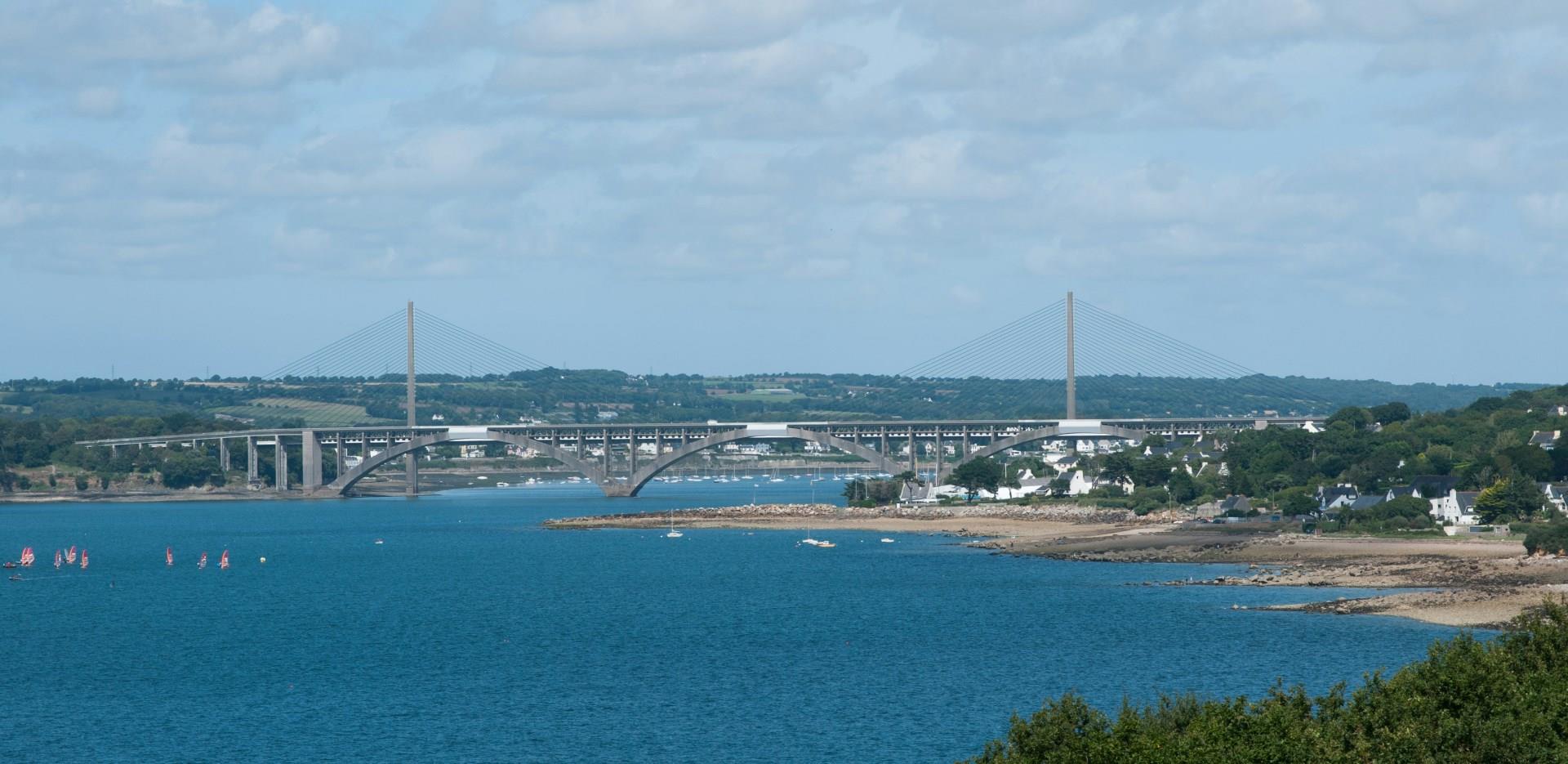
Brest
Brest sits at the western edge of Brittany, facing the Atlantic and shaped by its role as a strategic naval port. Much of the city was rebuilt after World War II, giving it a modern layout that contrasts with older Breton towns, yet its history remains closely tied to the sea.
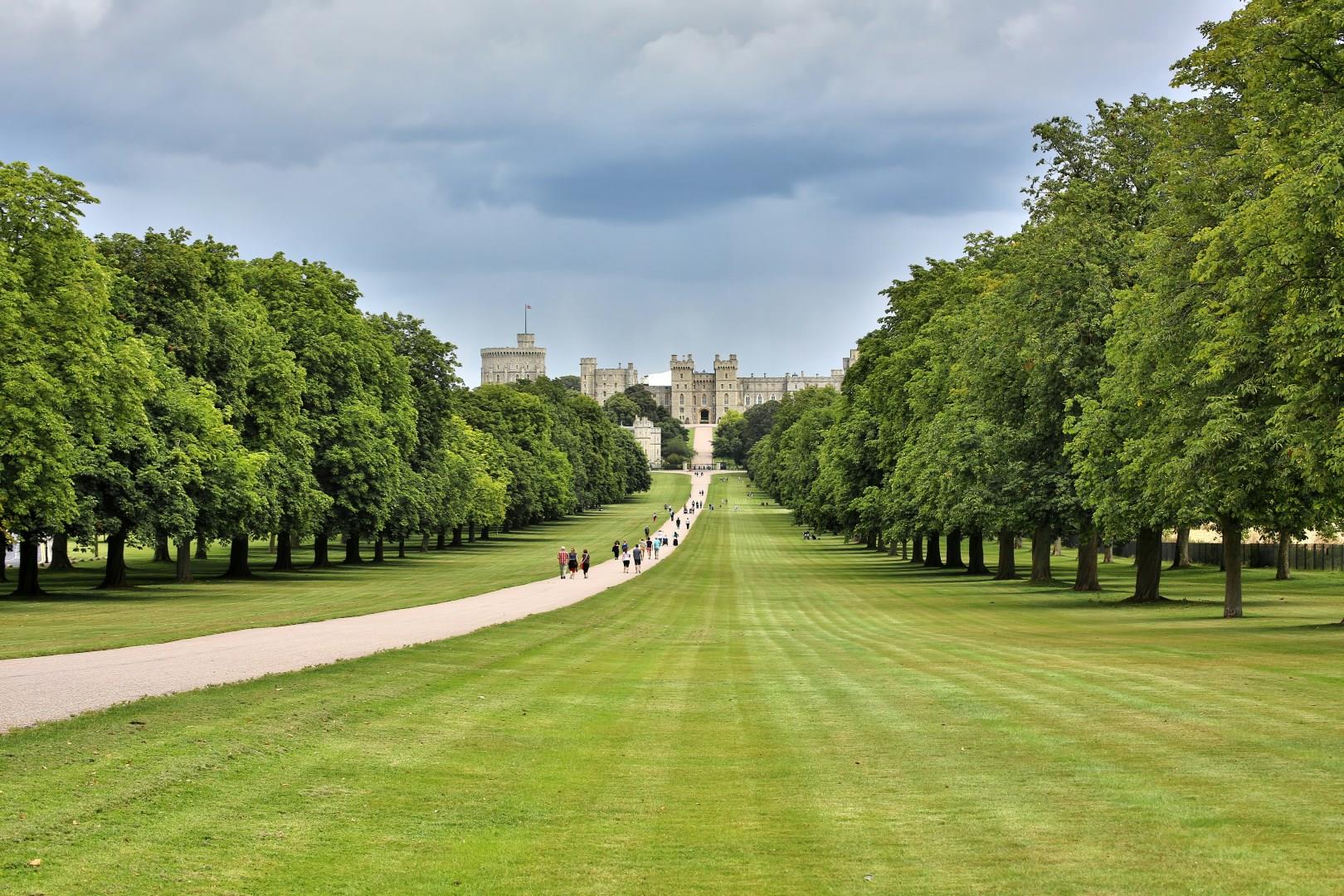
Windsor
Windsor sits along a bend in the River Thames, its identity shaped by nearly a thousand years of royal presence. Windsor Castle, the world’s oldest continuously inhabited royal residence, dominates the town and anchors its historical significance, but the surrounding streets and parks reveal a place that has long supported court life, trade, and everyday routines alongside ceremony.
