

Las Vegas
Las Vegas, Nevada, is an electrifying city where glitz and glamour meet entertainment and excitement. Known as "The Entertainment Capital of the World," Las Vegas offers an unparalleled array of attractions, from its iconic casinos and luxurious hotels to its world-class dining and live shows. The city's entertainment scene is second to none, featuring legendary headliners, cutting-edge performances, and an array of themed attractions.

Lahaina, Maui
Listed on the National Register of Historic Places, Lahaina, Maui is the former capital of the Hawaiian Kingdom and was once the site of a whaling village. This popular tourist destination is now a cultural center perfect for fine dining, visiting Hawaiian art galleries, whale watching, and immersing yourself in this region's rich history.
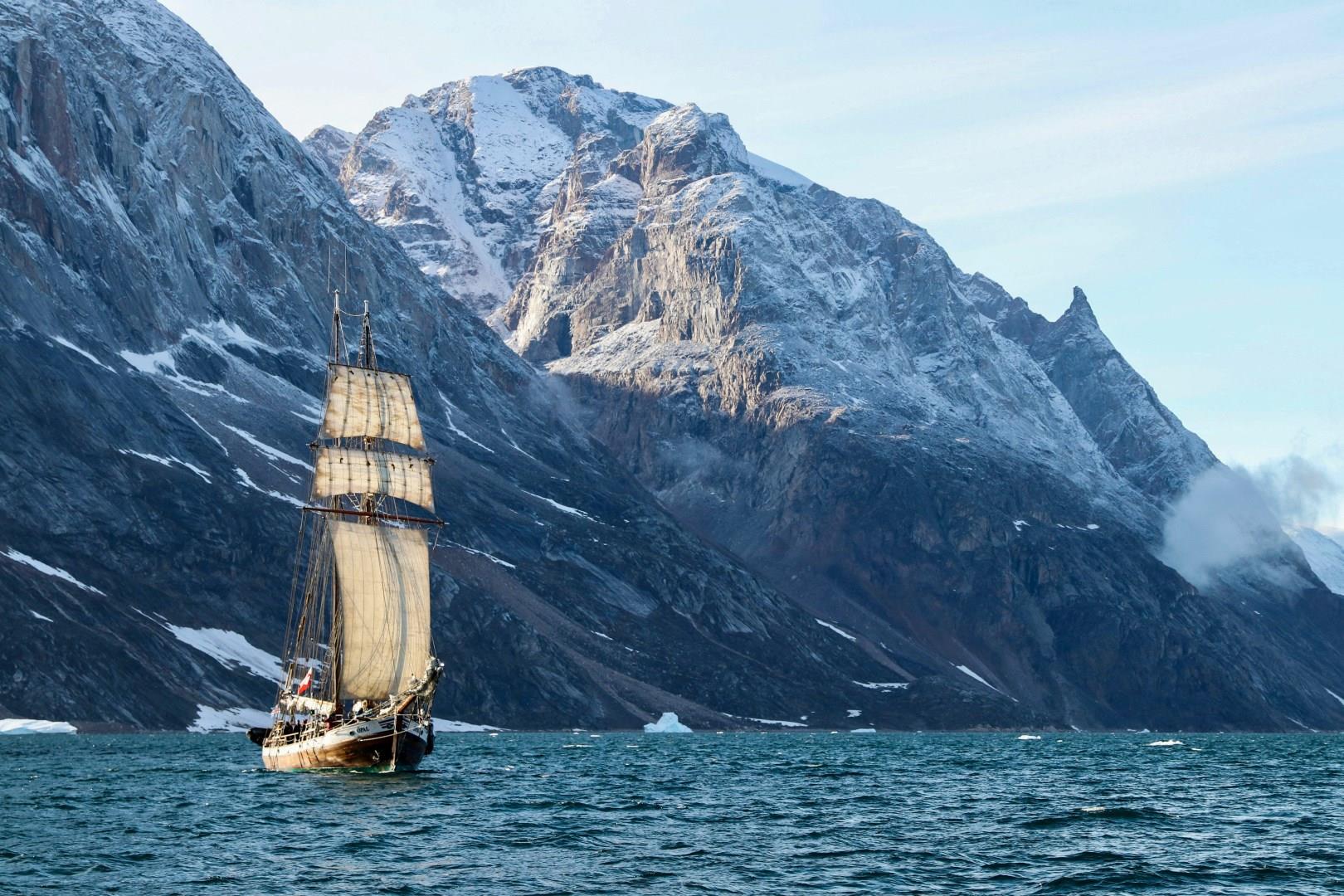
Ittoqqortoormiit
Welcome to Ittoqqortoormiit, where the stark beauty of the Arctic landscape meets a rich Inuit heritage. Located at the edge of the Scoresby Sound fjord system, this remote town offers a rare glimpse into life above the Arctic Circle. With a population of around 350 residents, Ittoqqortoormiit is a haven for those seeking solitude and adventure. Visit the Scoresby Sound to marvel at its spectacular fjords and towering cliffs, a natural wonder that’s a must-see for nature enthusiasts.
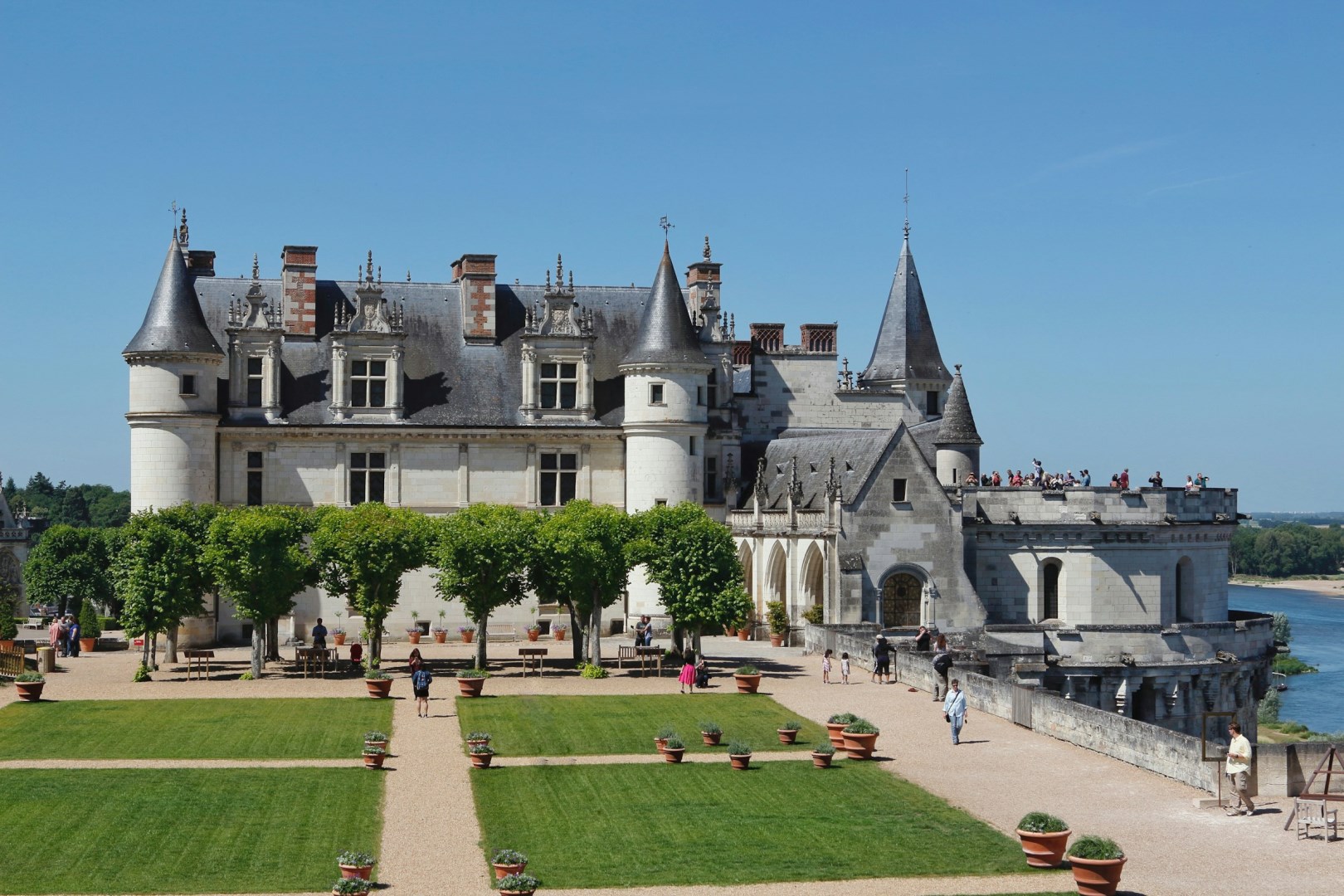
Amboise
Amboise has 12,000 inhabitants and is in the heart of Touraine, in the land of chateaux. It is a town both traditional and modern, lively and quiet. In Amboise, there is a royal castle set above the Loire Valley and is a strong point extensively embellished during the 15th and 16th centuries.

Tibet
Tibet, often referred to as the "Roof of the World," is a land of breathtaking beauty, spiritual depth, and rich cultural heritage. Set against the backdrop of the towering Himalayas, Tibet captivates travelers with its dramatic landscapes, from vast high-altitude deserts to verdant valleys and serene lakes.
