
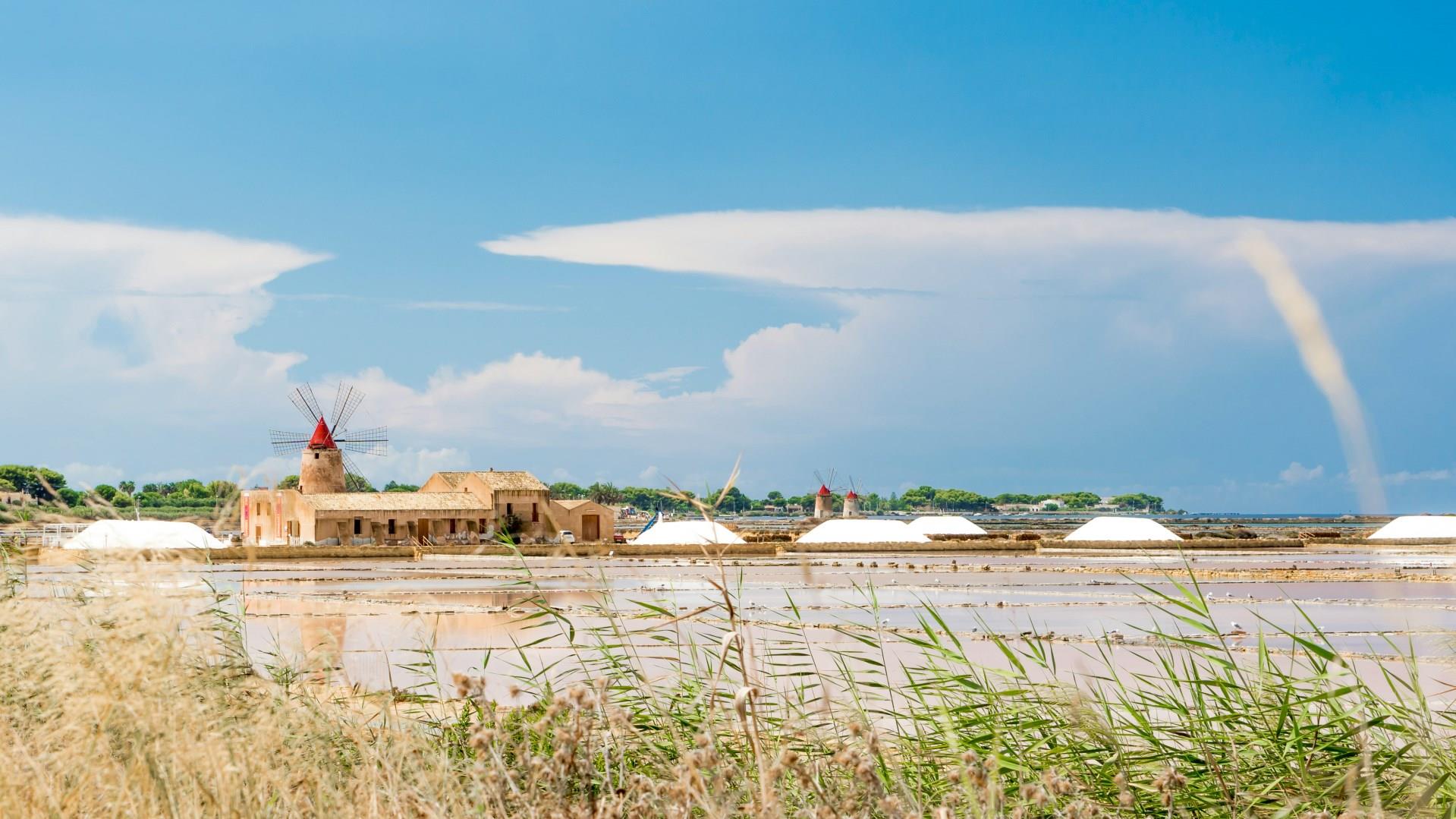
Marsala Sicily
Marsala is a coastal city in western Sicily with a long history shaped by trade, conquest, and winemaking. Founded by the Phoenicians in the 4th century BCE, it later passed through Roman, Arab, Norman, and Spanish hands, each leaving traces in the city’s layout and culture.
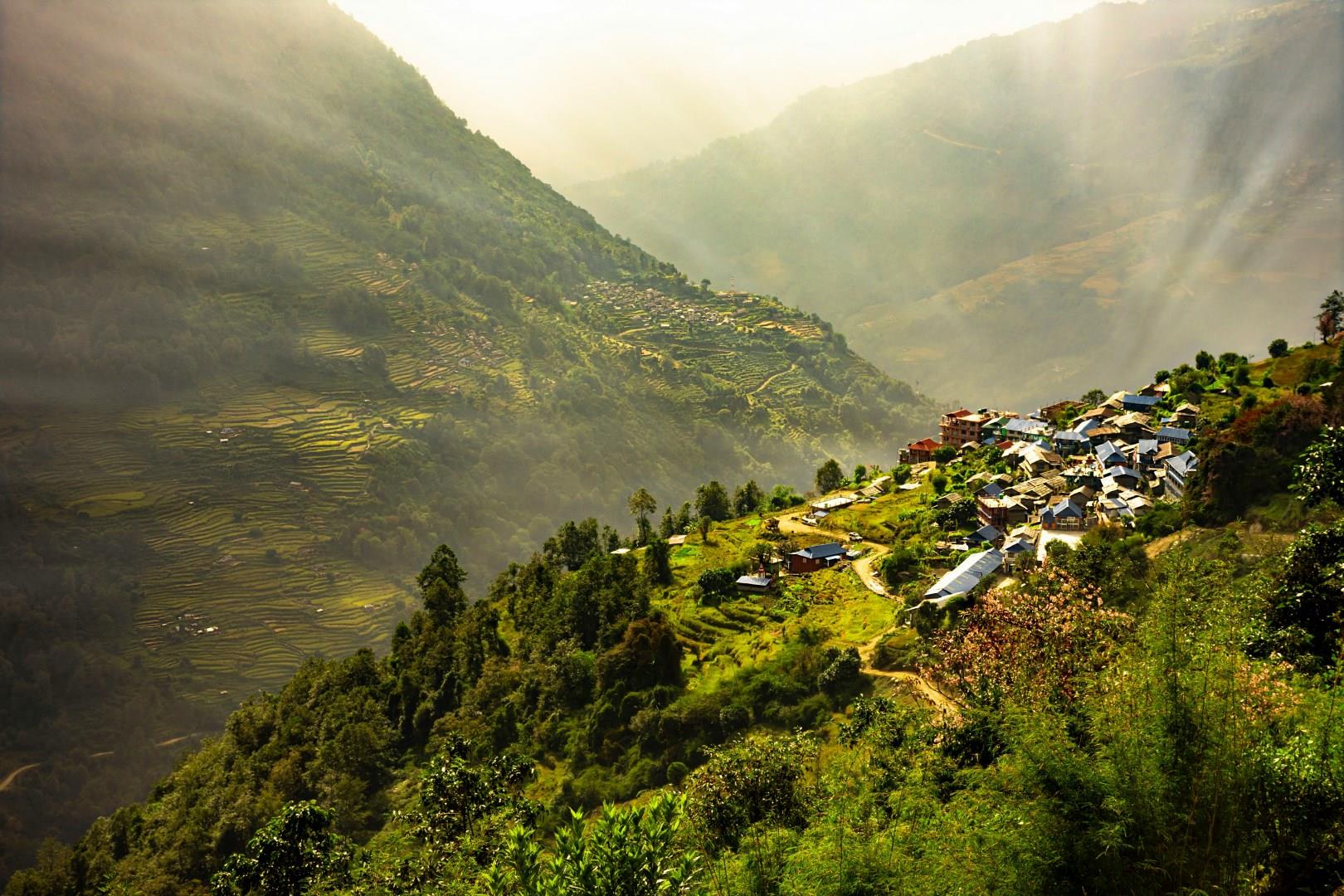
Ulleri
Ulleri is a small village in Nepal, located in the Annapurna region along the popular trekking route to Ghorepani and Poon Hill. It has traditionally served as a resting point for trekkers and local traders, with stone-paved streets and terraced fields reflecting centuries of Himalayan agricultural life.

Ho Chi Minh City
Ho Chi Minh City, Vietnam’s largest metropolis, is a dynamic hub where history, culture, and commerce intersect. Formerly known as Saigon, the city reflects layers of its past, from French colonial architecture to markets and historic districts that capture the energy of daily life.
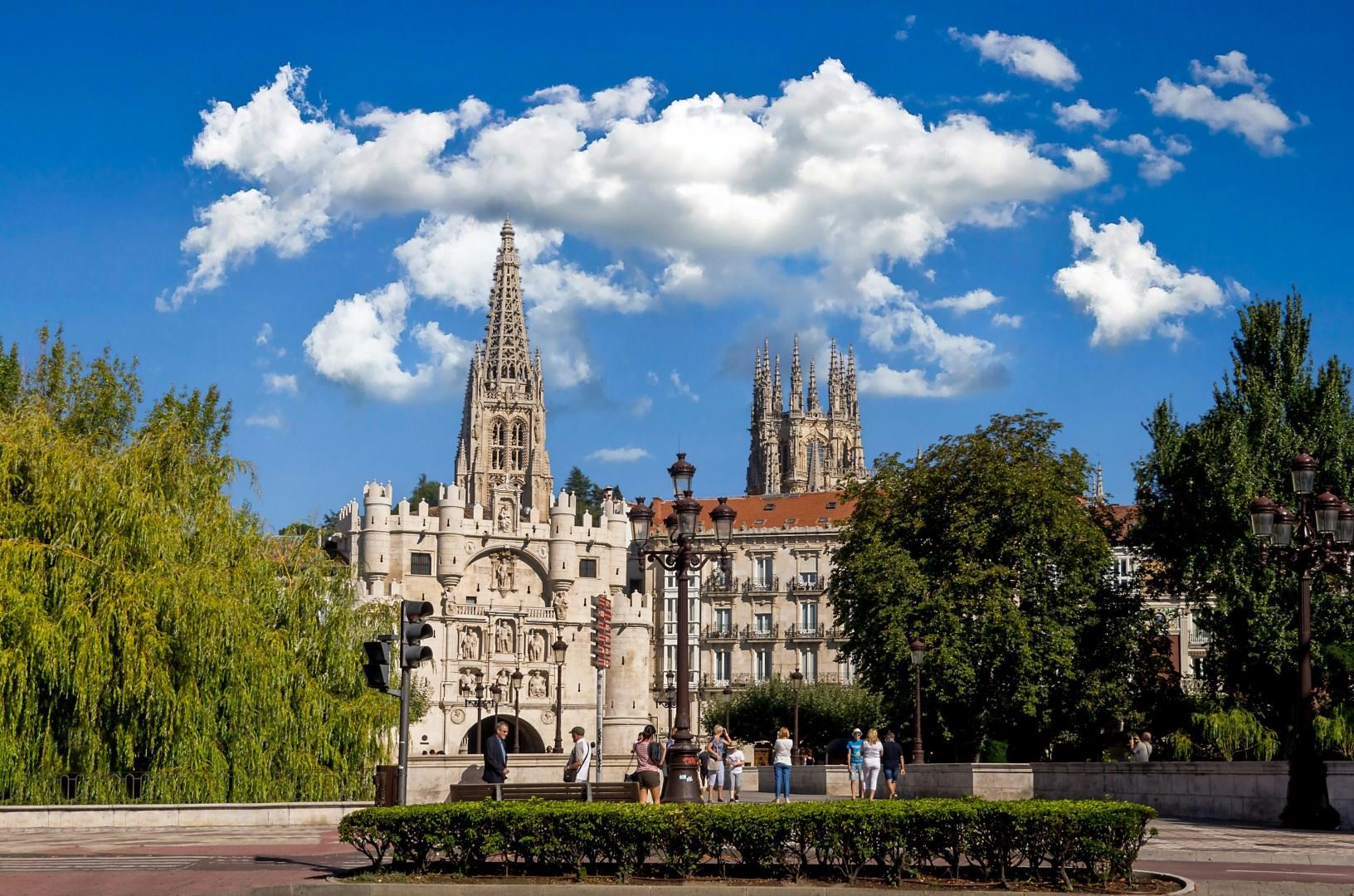
Burgos
Burgos, located in northern Spain, is a city where medieval heritage is still part of daily life. At its heart stands the Burgos Cathedral, a UNESCO World Heritage Site and one of the most striking examples of Gothic architecture in Europe. Construction began in 1221 and continued for over 300 years, resulting in a cathedral that features elaborate spires, stained glass, and the tomb of El Cid, Spain’s legendary military leader.

Savuti
Savuti, located in the northern part of Botswana, is a prime destination for those seeking an extraordinary wildlife experience. Nestled within the Chobe National Park, Savuti is renowned for its dynamic landscapes and prolific game viewing opportunities. This area is particularly famous for its seasonal changes, where the Savuti Channel, a once-dry riverbed, transforms into a vibrant waterway during periods of flooding.
