
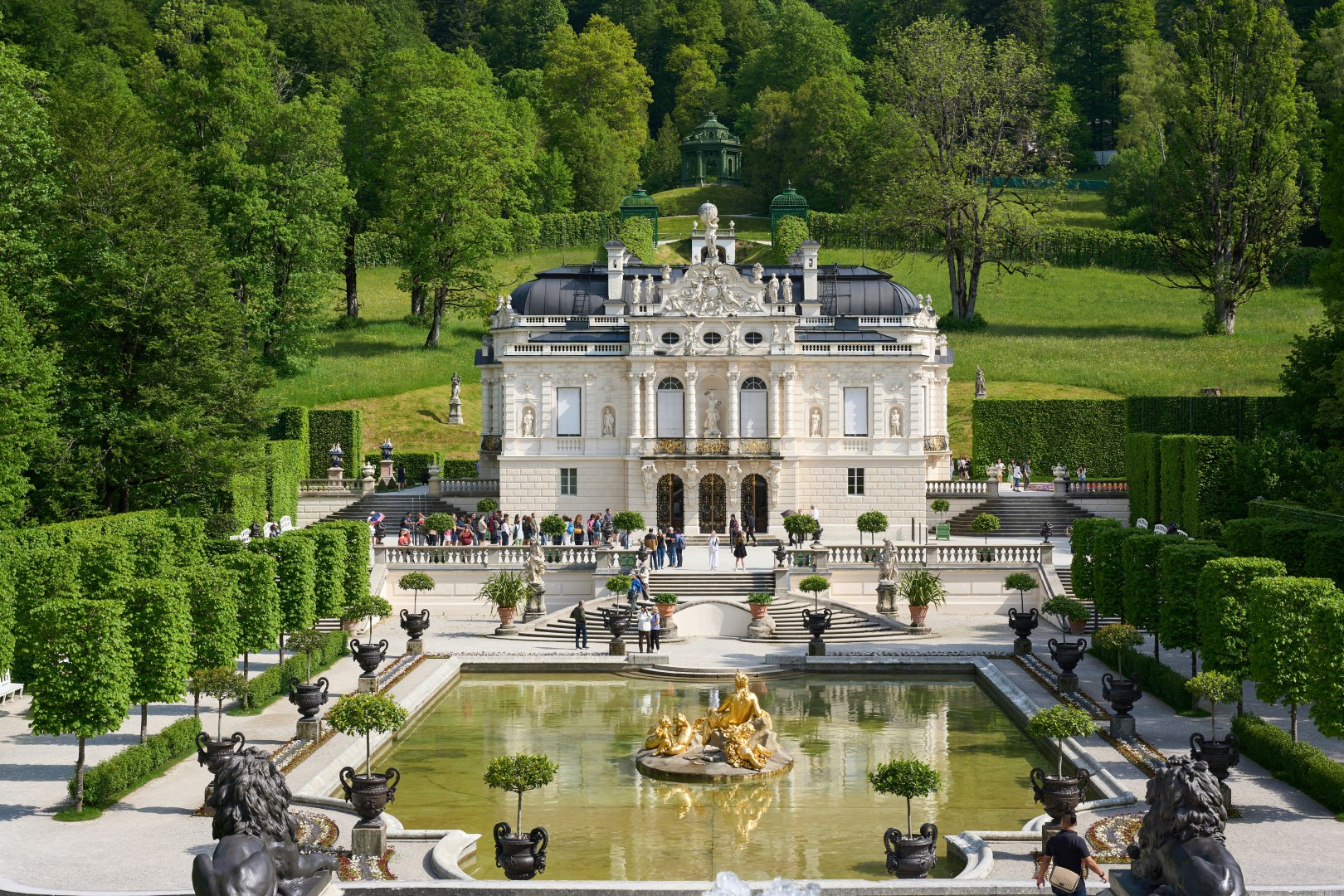
Linderhof
Linderhof is a palace complex in Bavaria, Germany, located in the secluded Graswang Valley near Ettal and surrounded by the mountains and forests of the Ammergau Alps.

Adelaide
Situated on the coast of South Australia, Adelaide shines as one of Australia’s cultural centers and boasts extraordinary natural beauty throughout.

Tenerife Island
Tenerife is the largest isle of the Canary Islands archipelago. Famous for its black and yellow sand beaches as well as Mt. Teide, the dormant volcano that looms over the island.
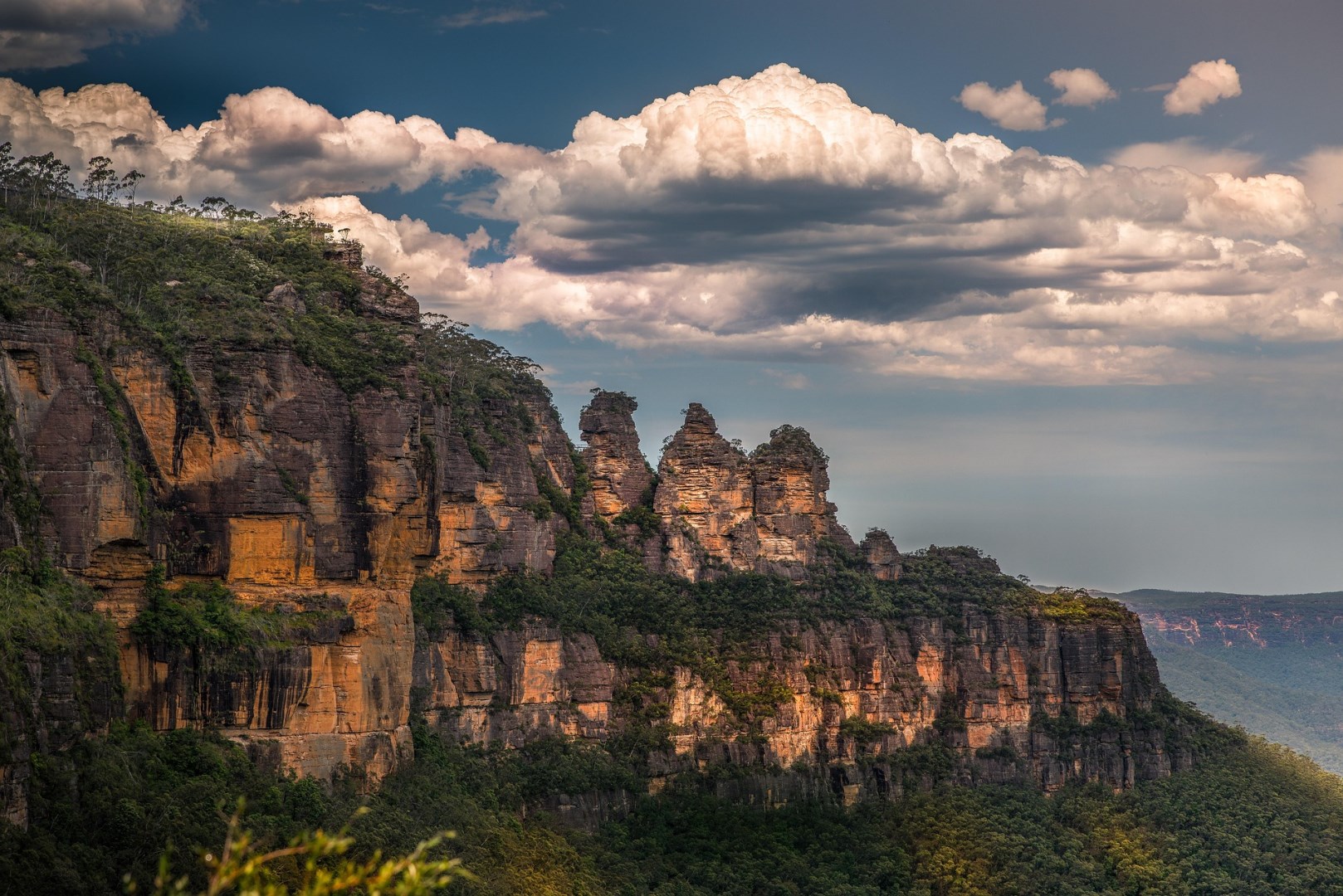
Blue Mountains
Indulge your taste for romance, drink in the clear mountain air, walk through the world-famous bushland or just relax in front of a roaring log fire. Located less than two hour's drive from Sydney, the Blue Mountains offer a natural wonderland of untamed bush, spectacular rock formations and native wildlife.

San Cristobal
With its blend of colonial elegance, vibrant indigenous traditions, and stunning natural landscapes, San Cristóbal de las Casas offers a truly immersive travel experience.
