

Turks and Caicos Islands
The Turks and Caicos Islands, a British Overseas Territory in the Atlantic, are celebrated for their luminous turquoise waters and powder-soft beaches. Grace Bay on Providenciales is the most famous stretch of sand, consistently ranked among the world’s best, where calm seas and vibrant reefs invite both relaxation and adventure.

La Goulette
La Goulette, a charming port town just north of Tunis, is a delightful destination for travelers seeking a blend of history, culture, and seaside relaxation. Known for its vibrant atmosphere, La Goulette offers visitors a chance to explore its bustling markets, enjoy fresh seafood at local restaurants, and relax on its beautiful beaches.
Elvas
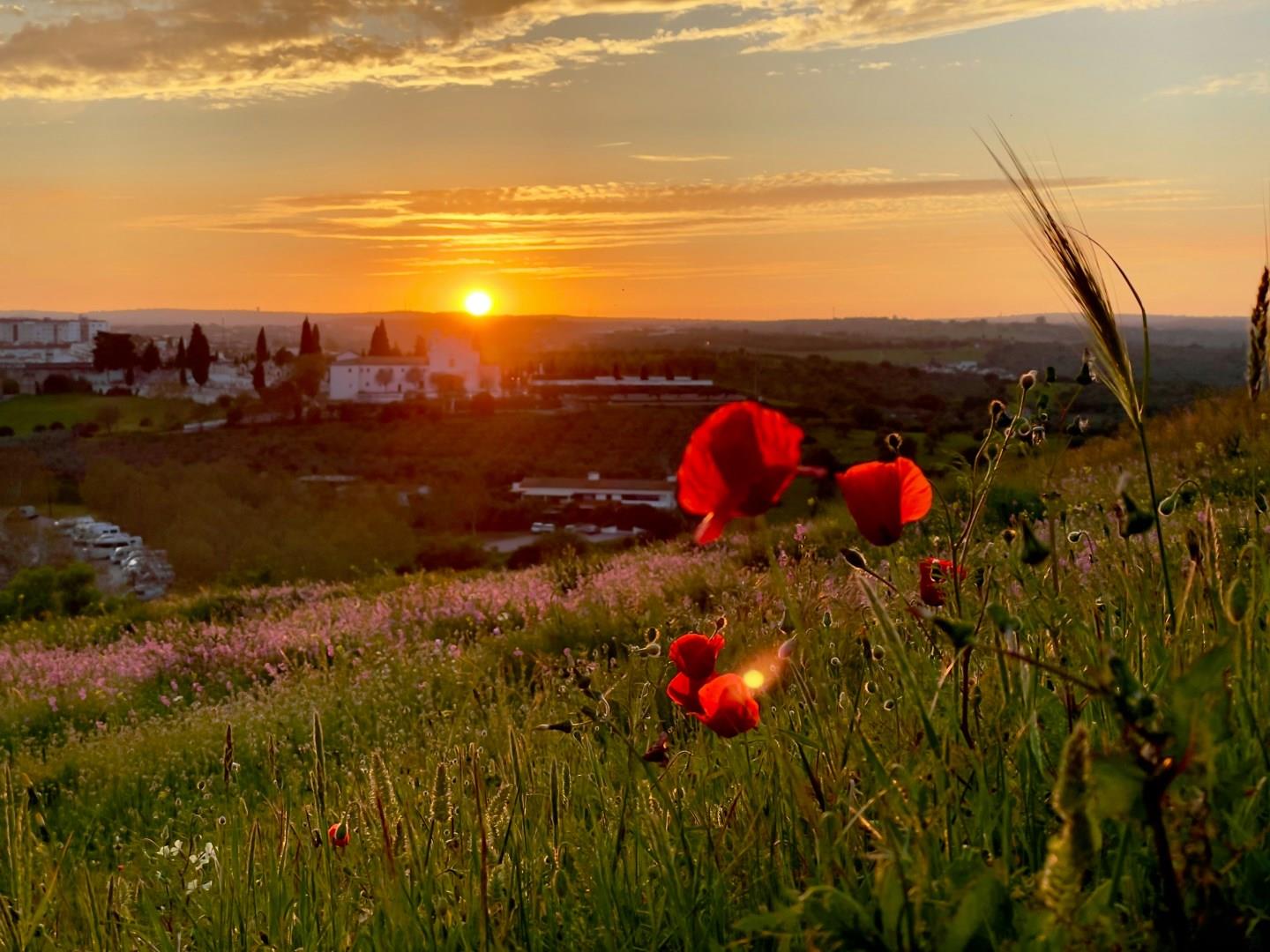
Elvas rises from the Alentejo plains near the Spanish border as one of Portugal’s most striking fortified towns, shaped by centuries of defense, resilience, and daily life along the frontier. Encircled by an immense network of walls, bastions, and hilltop forts, the town tells a clear story of strategy and survival, from the sweeping views at Forte da Graça to the quiet streets within the historic center.
Telšiai
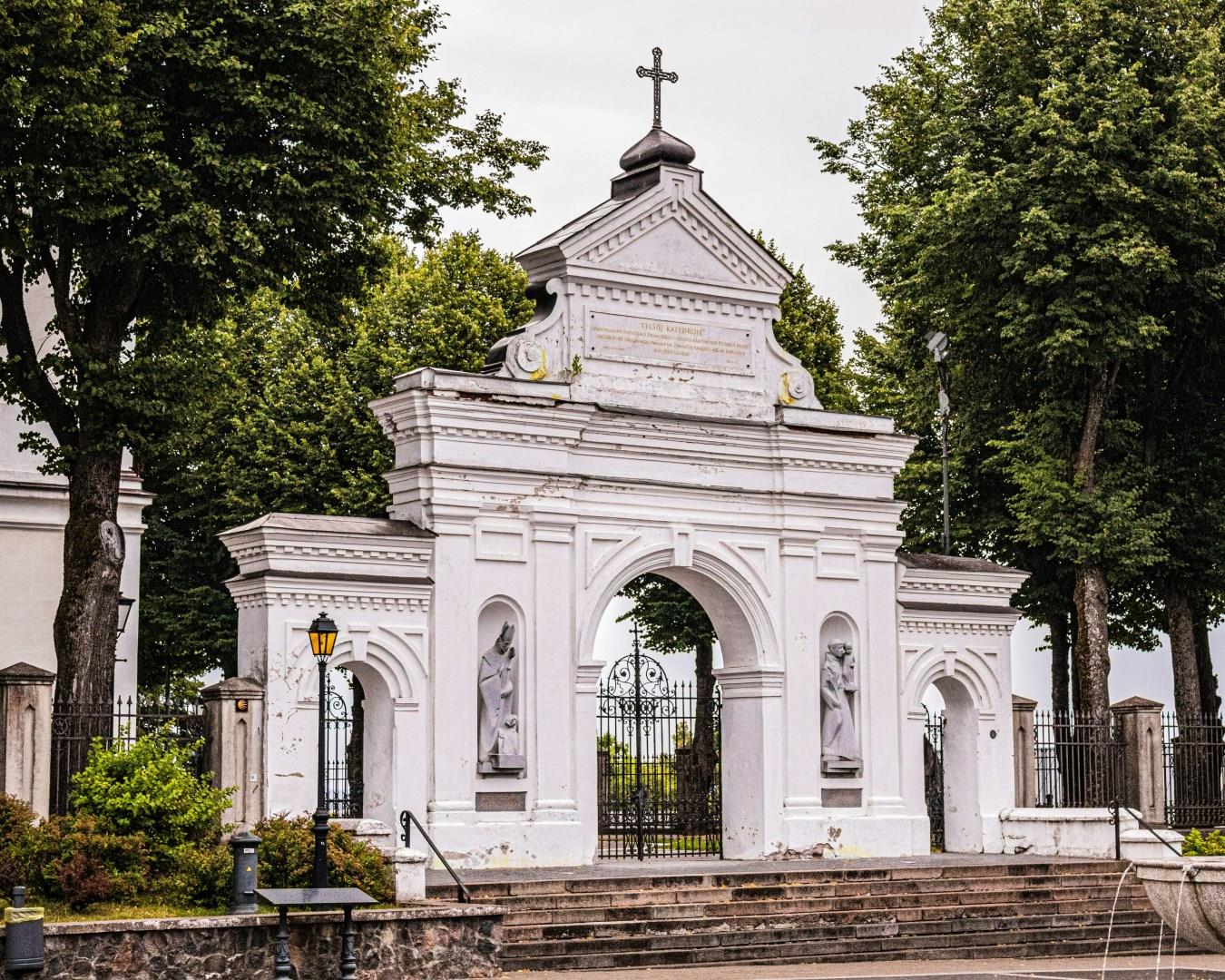
Telšiai, often called the capital of Lithuania’s Samogitia region, offers visitors a deep dive into a unique cultural heritage paired with striking natural settings. The town is set on the shores of Lake Mastis, where the reflections of historic buildings and lush forests create a calm and inviting atmosphere. Telšiai’s old market square bustles with life and is home to some of the town’s most notable landmarks, including the Neo-Gothic St. Anthony of Padua Cathedral.
Fort James Beach
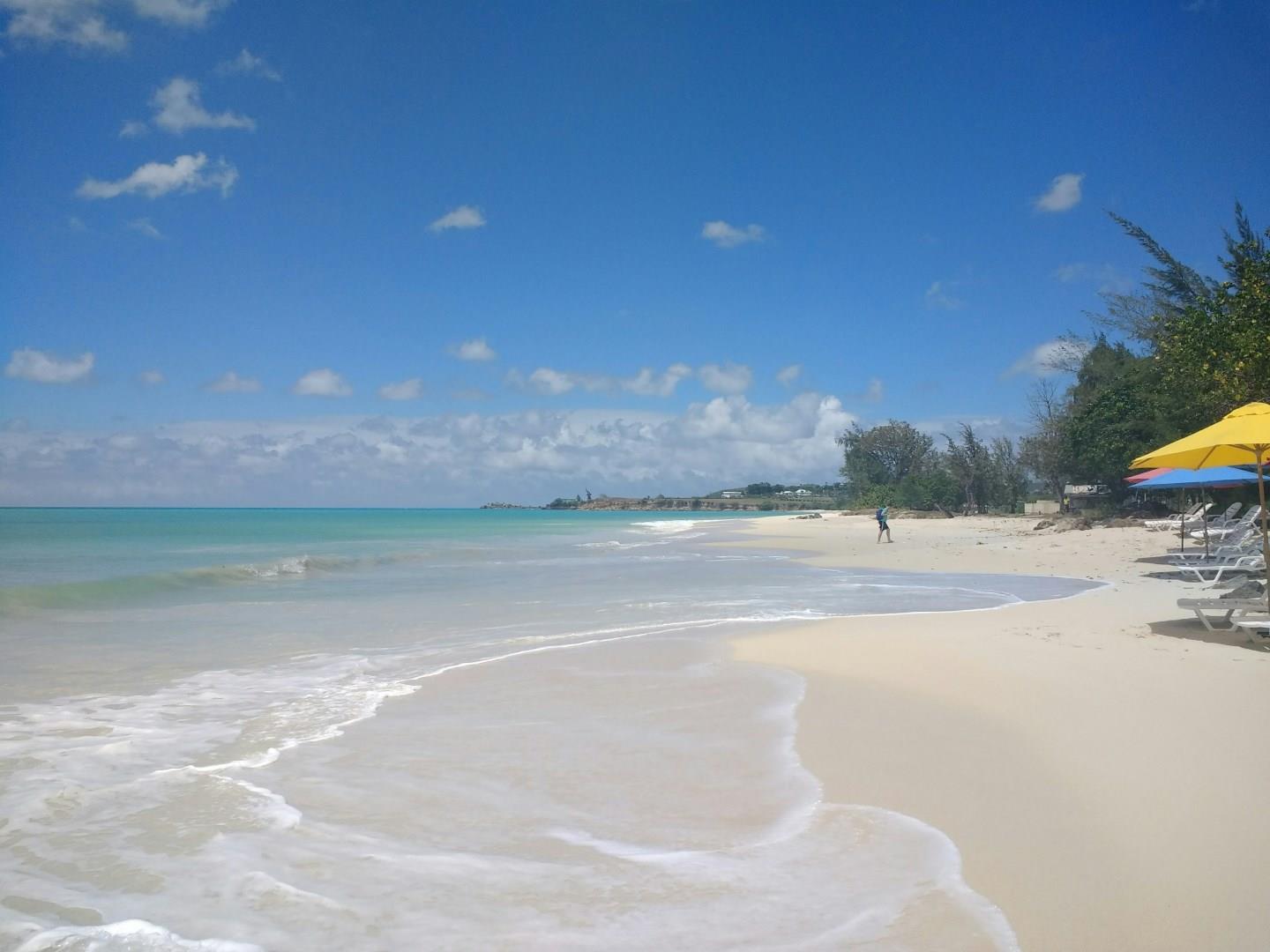
Fort James Beach, just outside St. John’s in Antigua, is a long stretch of soft white sand framed by calm, turquoise waters. The beach takes its name from nearby Fort James, a historic 18th-century British stronghold built to guard the harbor.
