

Indonesia
Indonesia, the world’s largest archipelago, stretches across more than 17,000 islands, each offering its own cultural traditions, landscapes, and experiences. From volcanic peaks to tropical beaches and ancient temples, the country is as diverse as it is expansive.
Suchitoto
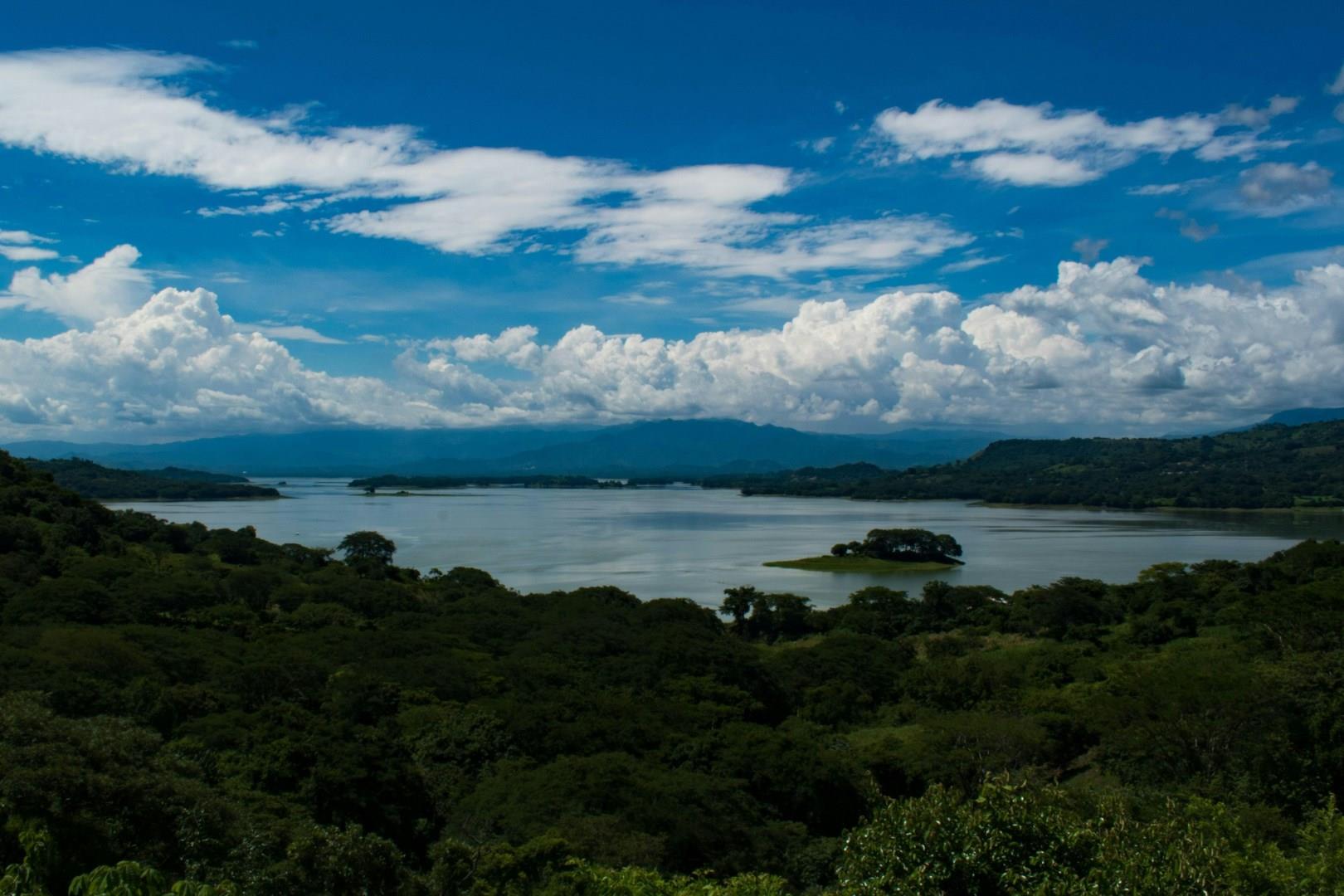
Suchitoto, located in the Cuscatlán department of El Salvador, is a hilltop town known for its cobblestone streets and scenic views of Lake Suchitlán. Once an important center for indigo production, the town still celebrates its dye-making history through artisan workshops where visitors can learn to create textiles using natural indigo. The name “Suchitoto” comes from the Nahuatl language and means “place of flowers and birds,” a nod to the area’s diverse birdlife and surrounding vegetation.
Estes Park
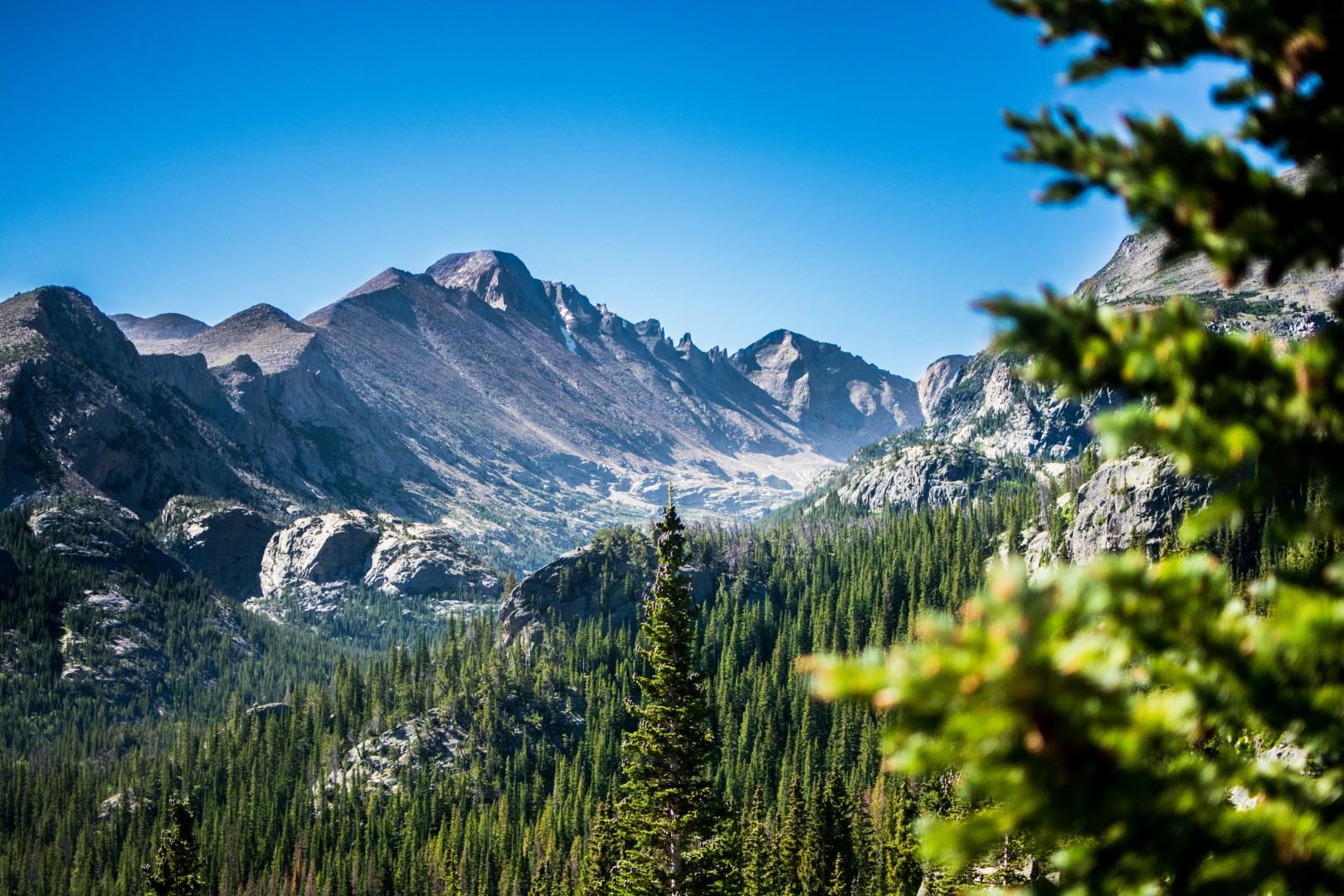
Estes Park, Colorado, is a picturesque mountain town nestled at the entrance of Rocky Mountain National Park. Known for its stunning natural beauty, it offers visitors a perfect blend of adventure and relaxation. With over 300 miles of hiking trails, pristine alpine lakes, and breathtaking mountain vistas, Estes Park is an outdoor enthusiast’s paradise.

Saudi Arabia
Saudi Arabia is revealing chapters long unseen by tourists. Al-Ula is home to Hegra, the first UNESCO World Heritage Site in the kingdom and hosts to ancient Nabatean tombs carved in sandstone cliffs. Nearby, the mirrored Maraya Concert Hall reflects the desert sky, its design both unexpected and elegant amid the sands. Visitors can wander through narrow canyons, step inside rock-hewn facades, and feel the weight of ancient civilizations still echoing across the dunes.
Brindisi
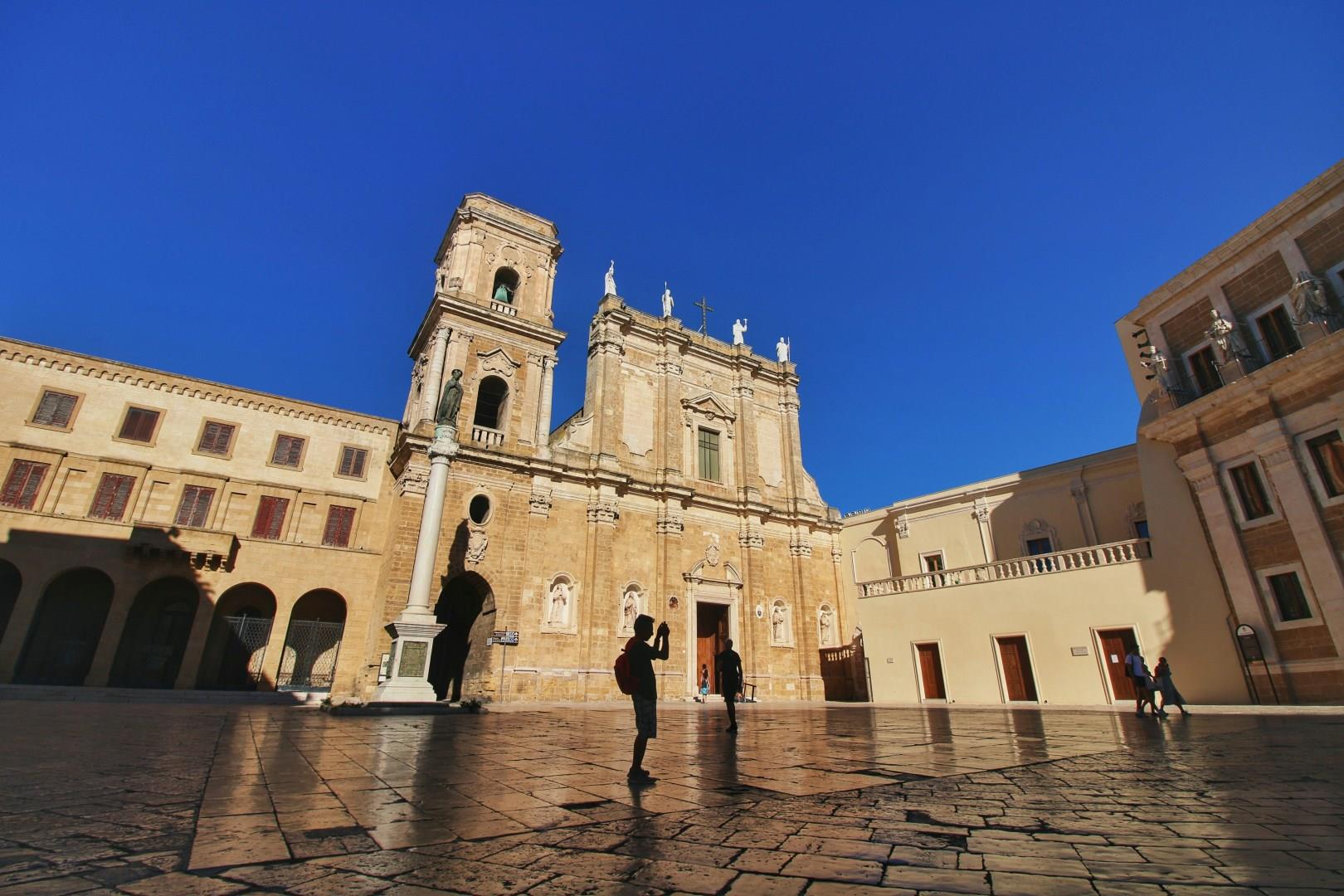
Italy’s port city of Brindisi, tucked along the Adriatic coast in the Puglia region, has been a gateway to the East for over two thousand years. Once the Roman Empire’s main departure point for the Via Appia, the road to Greece and beyond, Brindisi still bears traces of its ancient past, from Roman columns to remnants of old harbors that once welcomed traders, pilgrims, and soldiers.
