

Las Vegas
Las Vegas, Nevada, is an electrifying city where glitz and glamour meet entertainment and excitement. Known as "The Entertainment Capital of the World," Las Vegas offers an unparalleled array of attractions, from its iconic casinos and luxurious hotels to its world-class dining and live shows. The city's entertainment scene is second to none, featuring legendary headliners, cutting-edge performances, and an array of themed attractions.

Dominica
Dominica, known as the “Nature Island of the Caribbean,” is a haven for eco-tourists and adventure seekers. Nestled between the French islands of Guadeloupe and Martinique, this lush island boasts a remarkable landscape of volcanic mountains, dense rainforests, and stunning waterfalls. Dominica’s most iconic natural wonder is the Boiling Lake, the second-largest hot spring in the world.
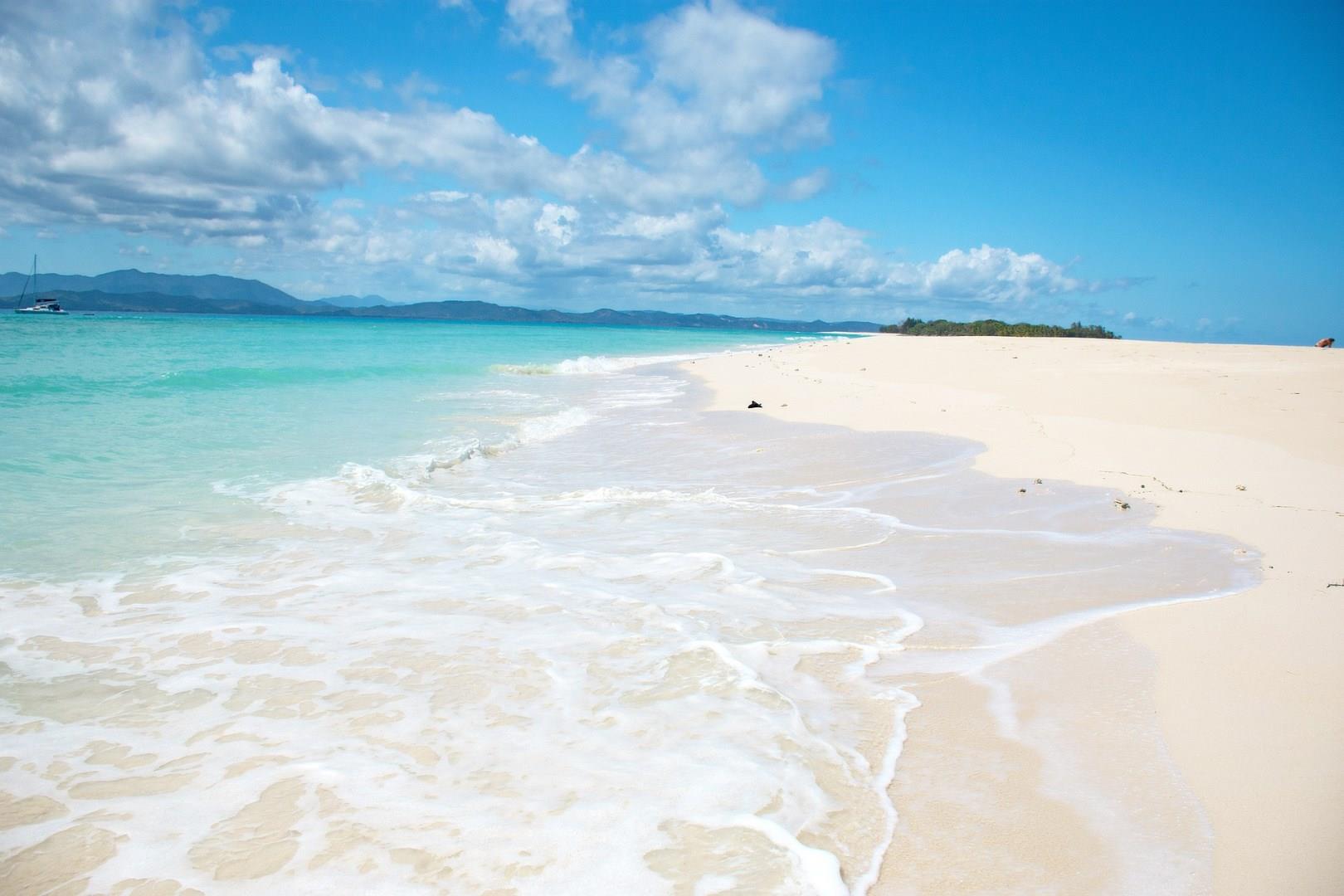
Nosy Iranja
Nosy Iranja, a tropical paradise off the northwest coast of Madagascar, is a must-visit destination for travelers seeking an untouched escape. Known for its stunning natural beauty, Nosy Iranja is actually composed of two islands, Nosy Iranja Be and Nosy Iranja Kely, connected by a striking sandbar that appears at low tide. Visitors can stroll across the white sands with crystal-clear turquoise waters on either side, creating an otherworldly experience of walking between two islands.

Naxos
Located in Greece's Lesser Cyclades, Naxos is an island in the South Aegean Sea and popular for its spectacular beaches. A favorite tourist destination, Naxos is home to a variety of ancient ruins, including the Temple of Apollo - Grotta, the Temple of Demeter, and Apano Kastro.

Reykjavik
On coastal Iceland, the globe's northernmost capital, Reykjavík, invites visitors to discover its unique charms. Iceland is rife with natural wonders: geysers, geothermic spas, waterfalls and the spectacular Northern Lights. Reykjavik, dating back to 870 AD, offers world-class museums, restaurants, shopping and nightlife.
