
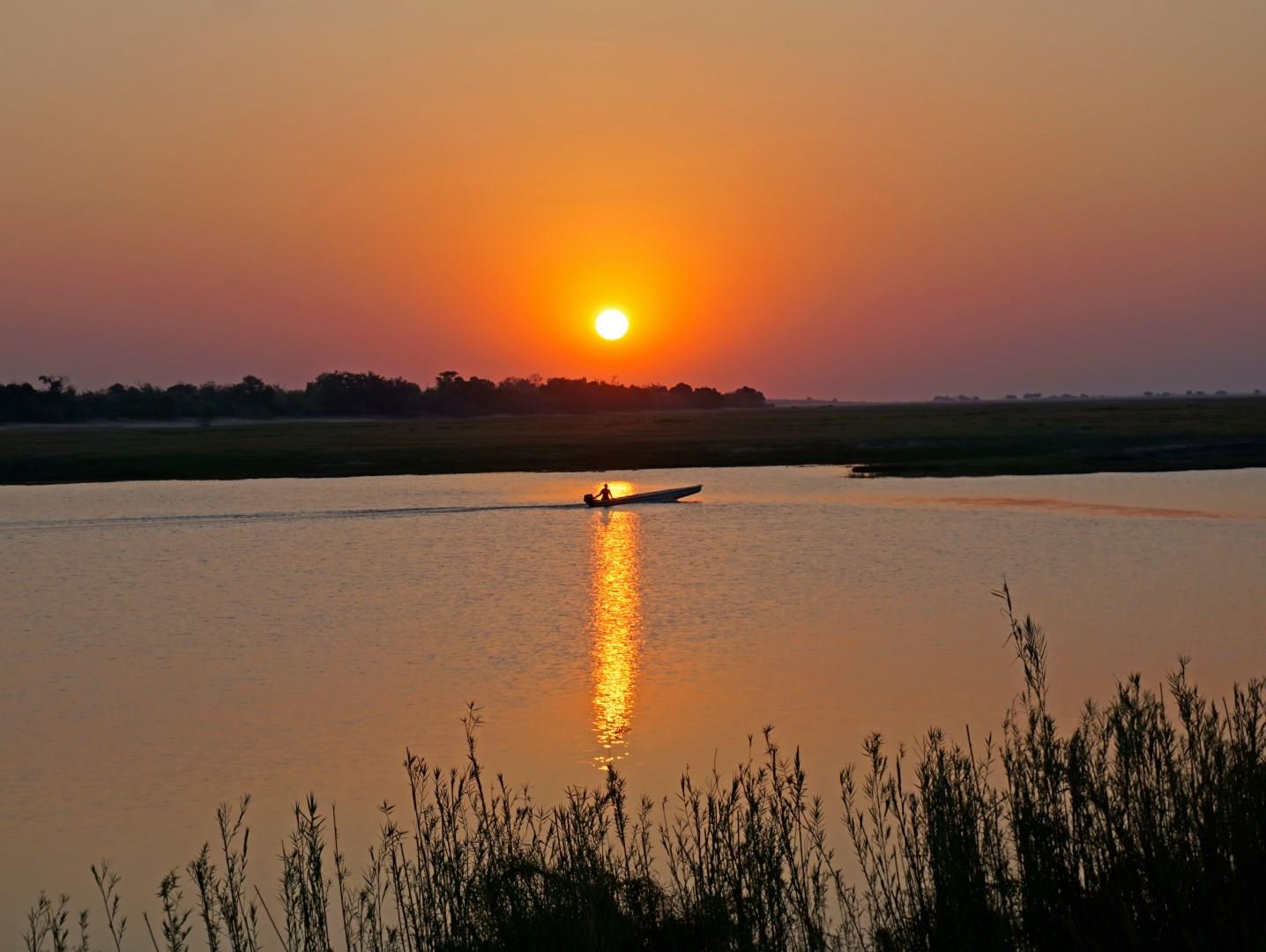
Chobe River
The Chobe River forms the northern boundary of the Chobe National Park. Animal lovers and safari enthusiasts know it as the place where the elephants congregate during winter's dry season and migrant birds are in full color during the wet summer months. The river itself is actually a section of the Cuando River, known as the Chobe from the seasonal lake Liambesi to its outflow at the Zambezi River.

Djúpivogur
Djúpivogur, a charming coastal village on Iceland’s eastern fjords, offers travelers an authentic and serene Icelandic experience. Nestled between majestic mountains and the tranquil Berufjörður fjord, this small fishing town is steeped in history and natural beauty. Its picturesque harbor, where colorful boats bob against a backdrop of rugged cliffs, is the heart of the town.

Copan
Copán, Honduras, is a hidden gem in Central America that beckons travelers with its extraordinary blend of ancient history, lush landscapes, and vibrant local culture. Known as the "Athens of the Maya," Copán is home to one of the most significant and well-preserved archaeological sites of the Mayan civilization, a UNESCO World Heritage Site.
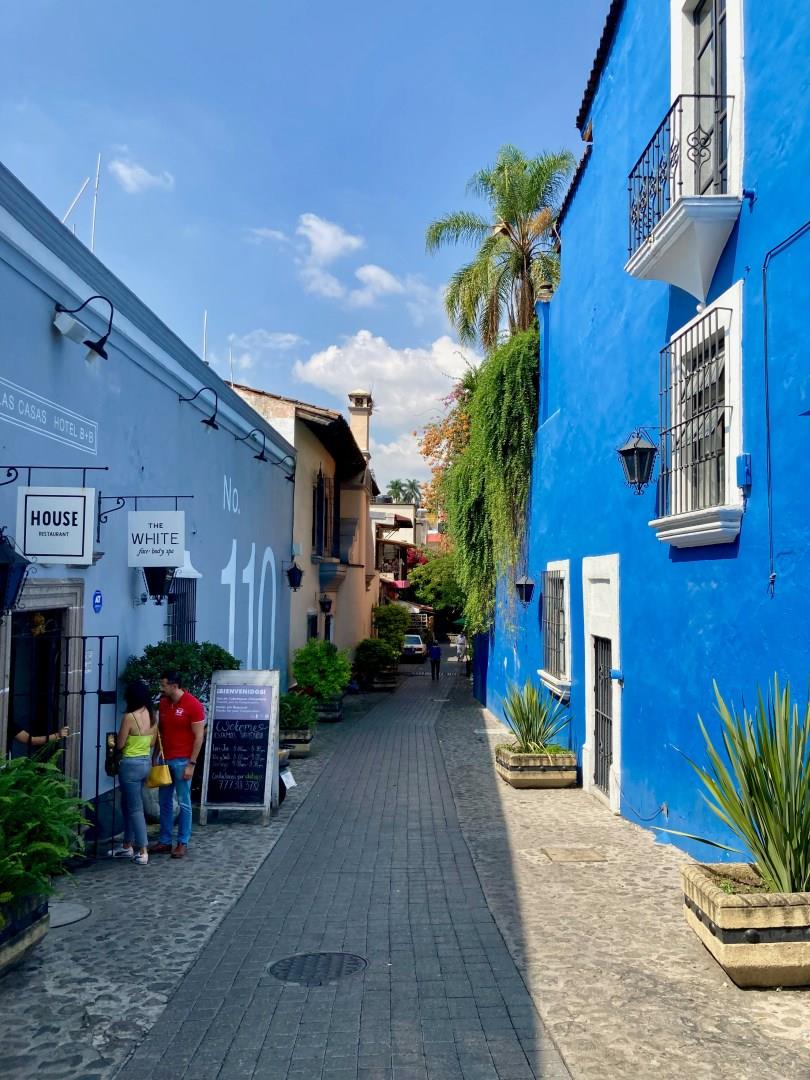
Cuernavaca
Cuernavaca, often called the “City of Eternal Spring,” has long been a retreat for those seeking warm weather and relaxing surroundings just 90 minutes from Mexico City. With a history that stretches back to the Aztec empire, the city is layered with centuries of cultural change. The historic center of Cuernavaca combines architecture from multiple eras, with narrow streets leading to quiet plazas and colonial churches.
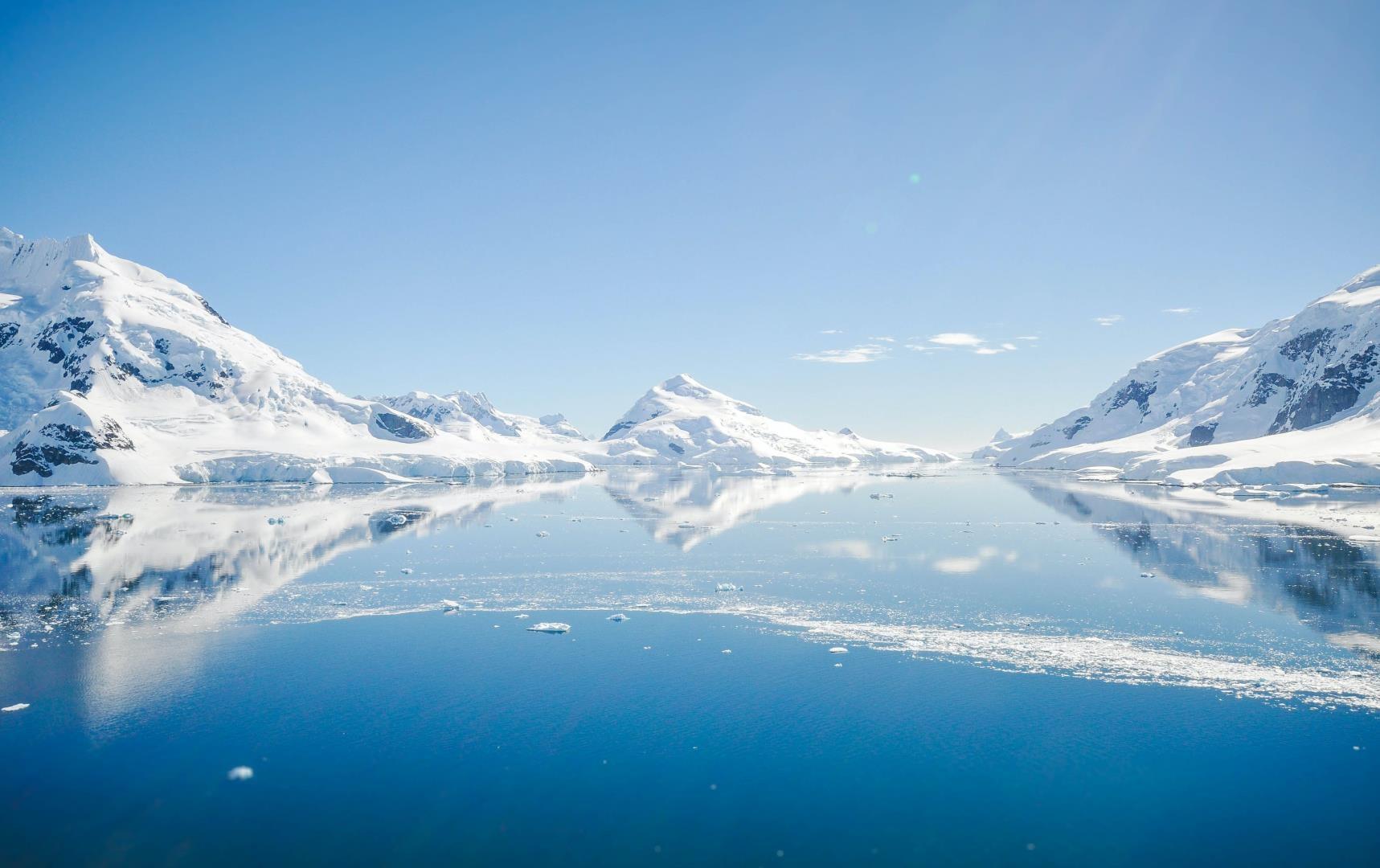
South Shetland Islands
Mist, research stations, and penguins are just a few of the things that define the South Shetland Islands, an archipelago off the coast of Antarctica. These 11 Antarctic islands, most notably King George Island, have served as a base for researchers from Chile, Argentina, and a variety of other countries. The archipelago has also become a popular cruise destination for tourists to the Antarctic region.
