
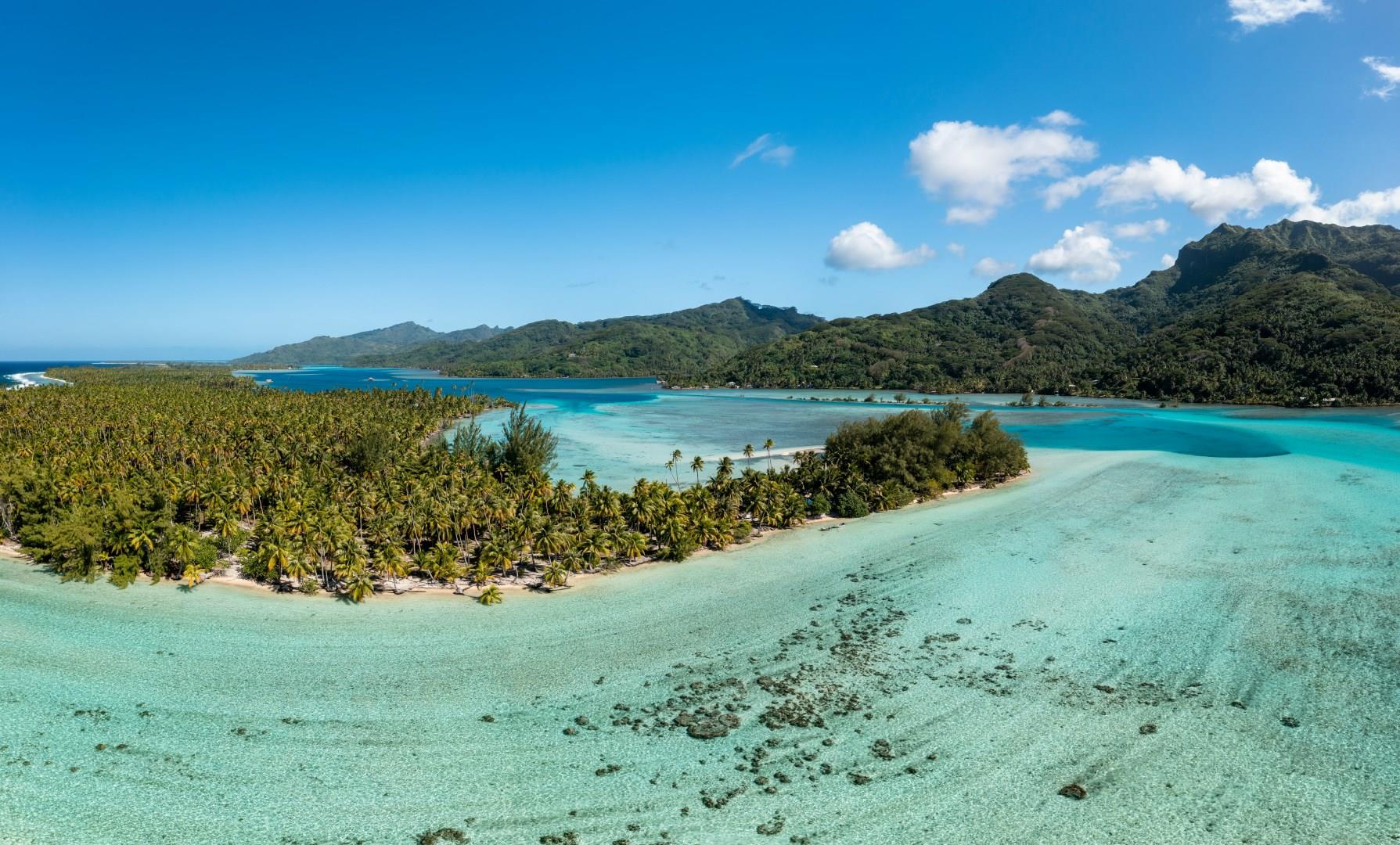
Huahine Island
Huahine Island, a gem in French Polynesia, invites travelers to experience a tranquil paradise infused with cultural richness and natural splendor. Often referred to as the "Garden of Eden," this lush island is renowned for its stunning landscapes and serene ambiance. With its dramatic volcanic peaks, crystal-clear lagoons, and pristine beaches, Huahine offers a perfect escape for those seeking both adventure and relaxation.

Yorkshire
Yorkshire, known as "God's Own County," is a must-visit destination for those seeking a blend of stunning natural landscapes, rich history, and vibrant culture. The largest county in England, Yorkshire boasts the breathtaking Yorkshire Dales and North York Moors national parks, where rolling green hills, picturesque villages, and dramatic cliffs meet expansive heather moorlands.
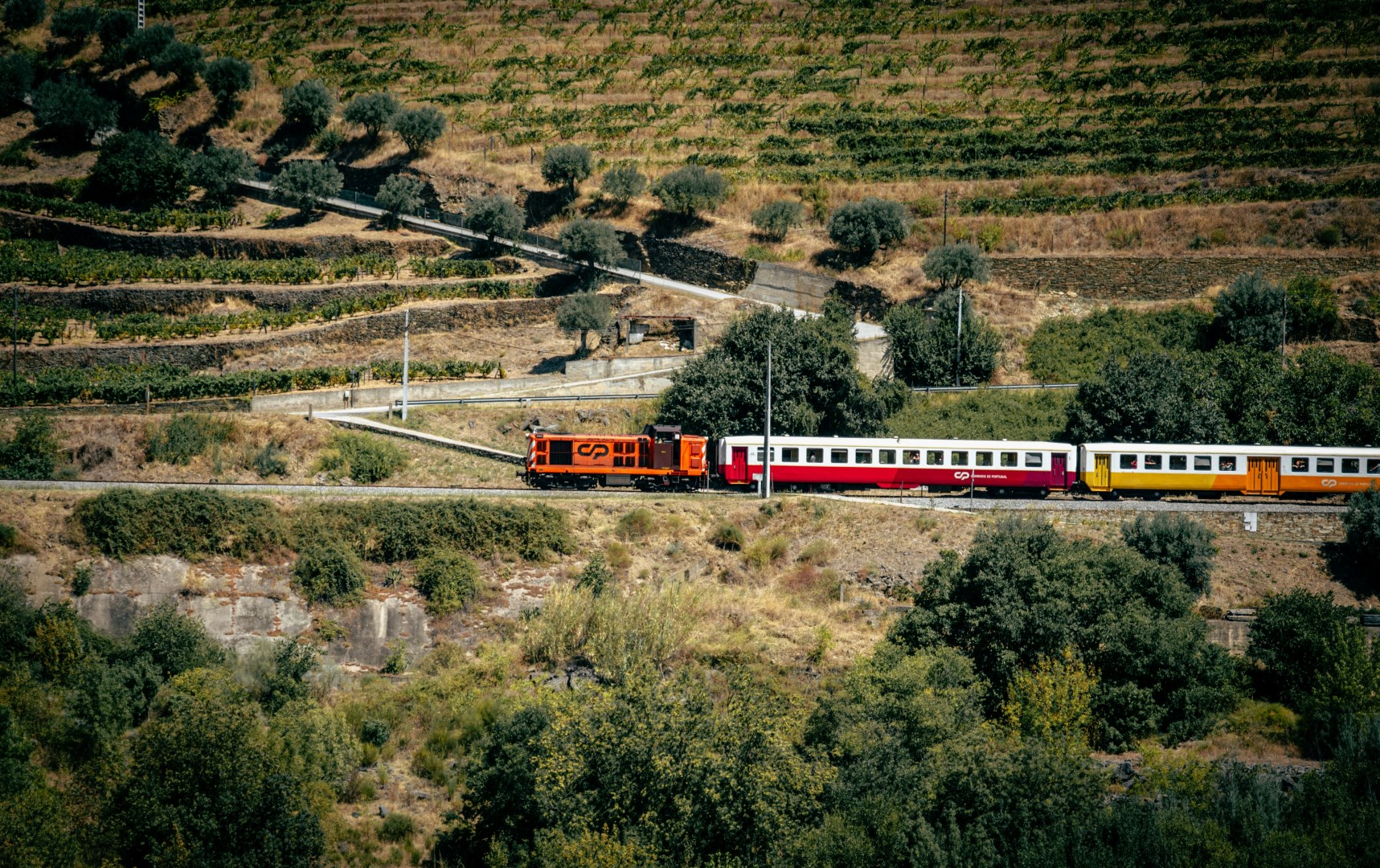
Peso da Regua
Peso da Régua, often called the gateway to Portugal's Douro Valley, sits along the banks of the Douro River and is surrounded by steep, terraced vineyards. The town has long been central to the production of the world-famous Port wine, and visitors can explore the rolling hills covered with neatly arranged grapevines that climb dramatically from the river’s edge. The town itself offers a quiet riverside charm, with narrow streets, historic buildings, and scenic viewpoints.
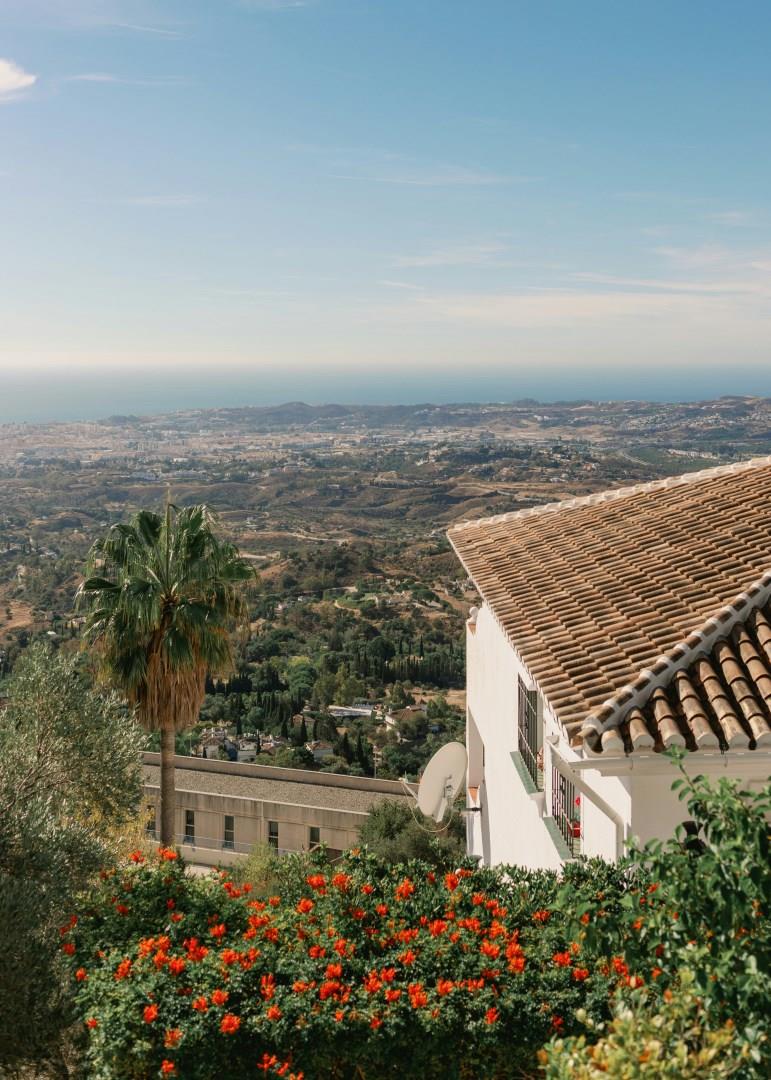
Mijas
Mijas, perched on the hillside above the Costa del Sol, blends centuries of Andalusian tradition with views that stretch across the Mediterranean. The whitewashed buildings of Mijas Pueblo reflect sunlight from narrow cobbled streets that wind through small plazas, each with its own fountain, chapel, or overlook. The town’s layout still follows Moorish-era planning, and remnants of the old wall (La Muralla) offer shaded walks lined with native plants and panoramic views over the coast.

Taormina
Taormina, with its hilltop location above the Ionian Sea, is easily one of Italy's most beautiful places. As it's packed with people in the summertime, recommended months to visit include April and September.
