
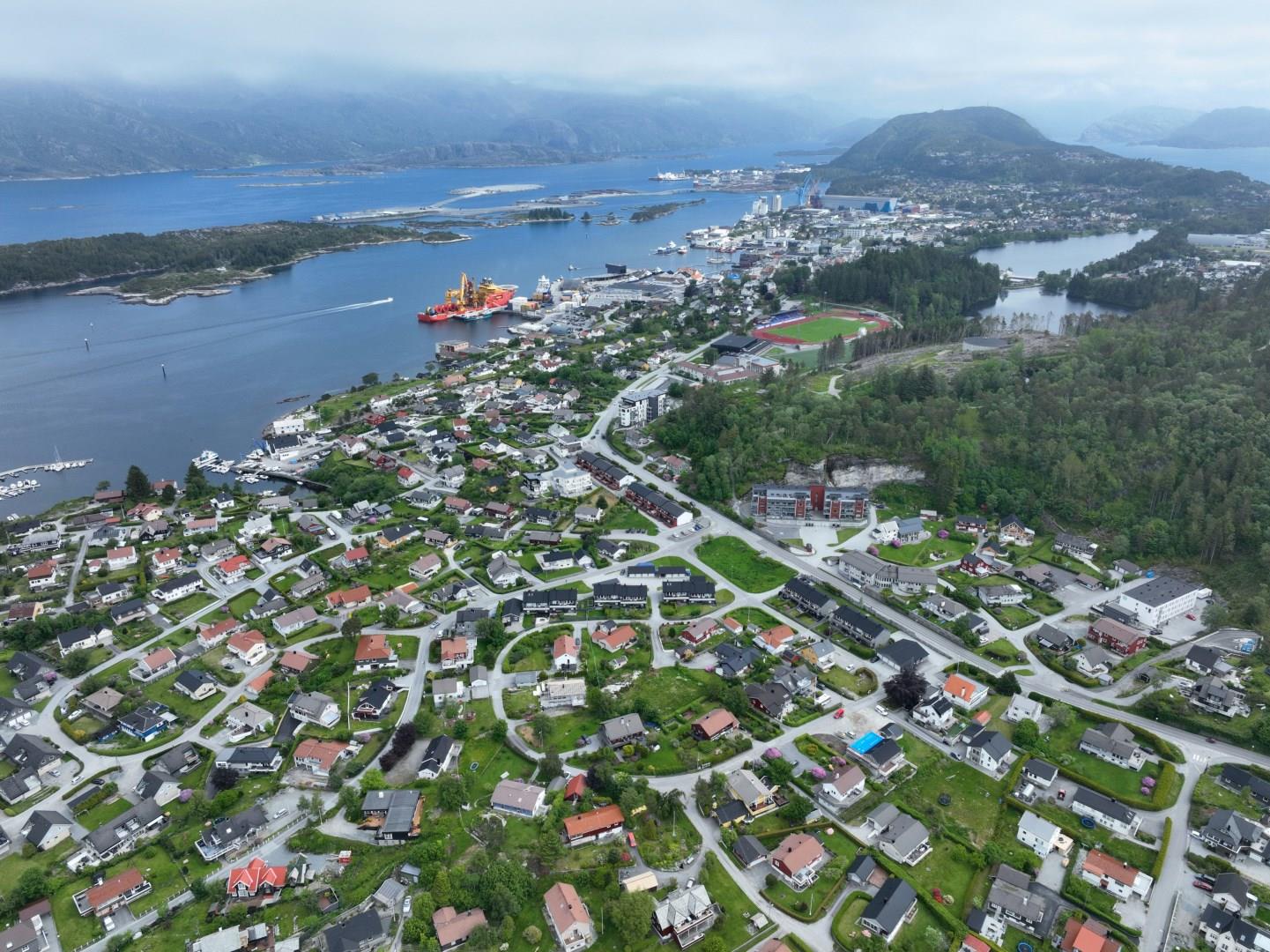
Florø
Florø, the westernmost town in Norway, sits right at the edge of the sea as a small, coastal town with deep maritime roots and front-row views of the North Atlantic. Established in 1860 as a herring fishing hub, Florø still carries the rhythm of the ocean in daily life. Though small in size, the town serves as a jumping-off point to explore the rugged coastline, scenic fjords, and a collection of islands that each have their own stories and scenery.

Slovenia
>Slovenia, tucked between the Alps and the Adriatic Sea, is a small country with a strong sense of identity and an impressive variety of landscapes. Its capital, Ljubljana, is known for its walkable center and mix of Baroque, Secessionist, and modern architecture. The Ljubljanica River runs through the city and is lined with open-air cafés and artisan shops.
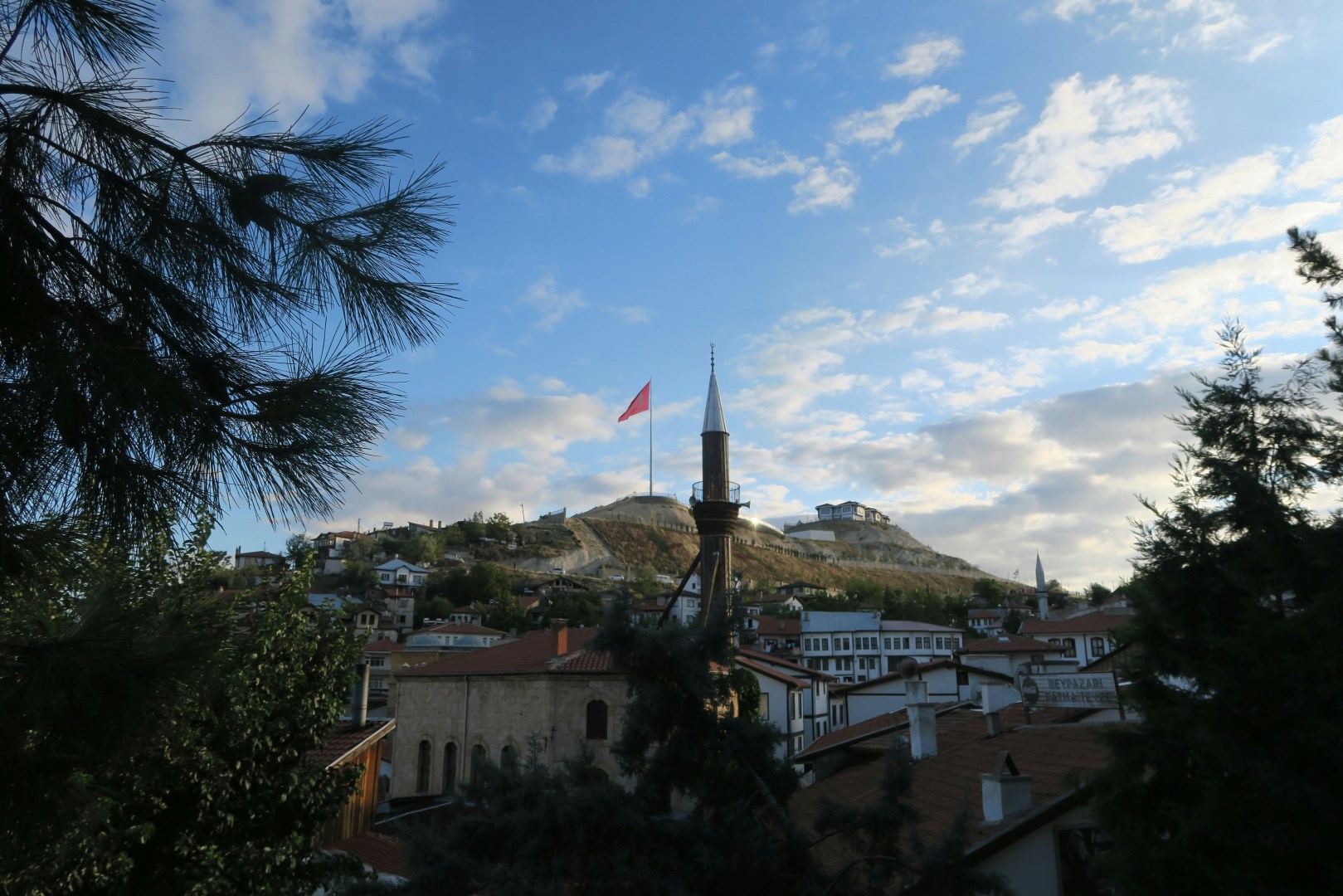
Beypazari
Beypazarı is a historic town in Ankara Province, Turkey, situated on the edge of the Central Anatolian plateau. It is recognized for its well-preserved Ottoman-era houses, narrow streets, and strong connection to traditional crafts. The town serves as both a residential center and a cultural destination, where restored buildings now function as museums, guesthouses, and workshops.

Lake Nakuru National Park
Lake Nakuru National Park is located in the heart of the Great Rift Valley. The Park encompasses the alkaline Lake Nakuru and has earned fame as the greatest bird spectacle in the world. The gathering of hundreds of thousands of greater and lesser pink flamingos.

Pula
Pula, a historic city located on the Istrian Peninsula in Croatia, is renowned for its impressive Roman heritage and vibrant cultural scene. The city's centerpiece is the Pula Arena, one of the best-preserved Roman amphitheaters in the world. This monumental structure, built in the 1st century AD, offers visitors a glimpse into ancient spectacles and gladiatorial contests. Today, it hosts various events, including concerts and film festivals.
