
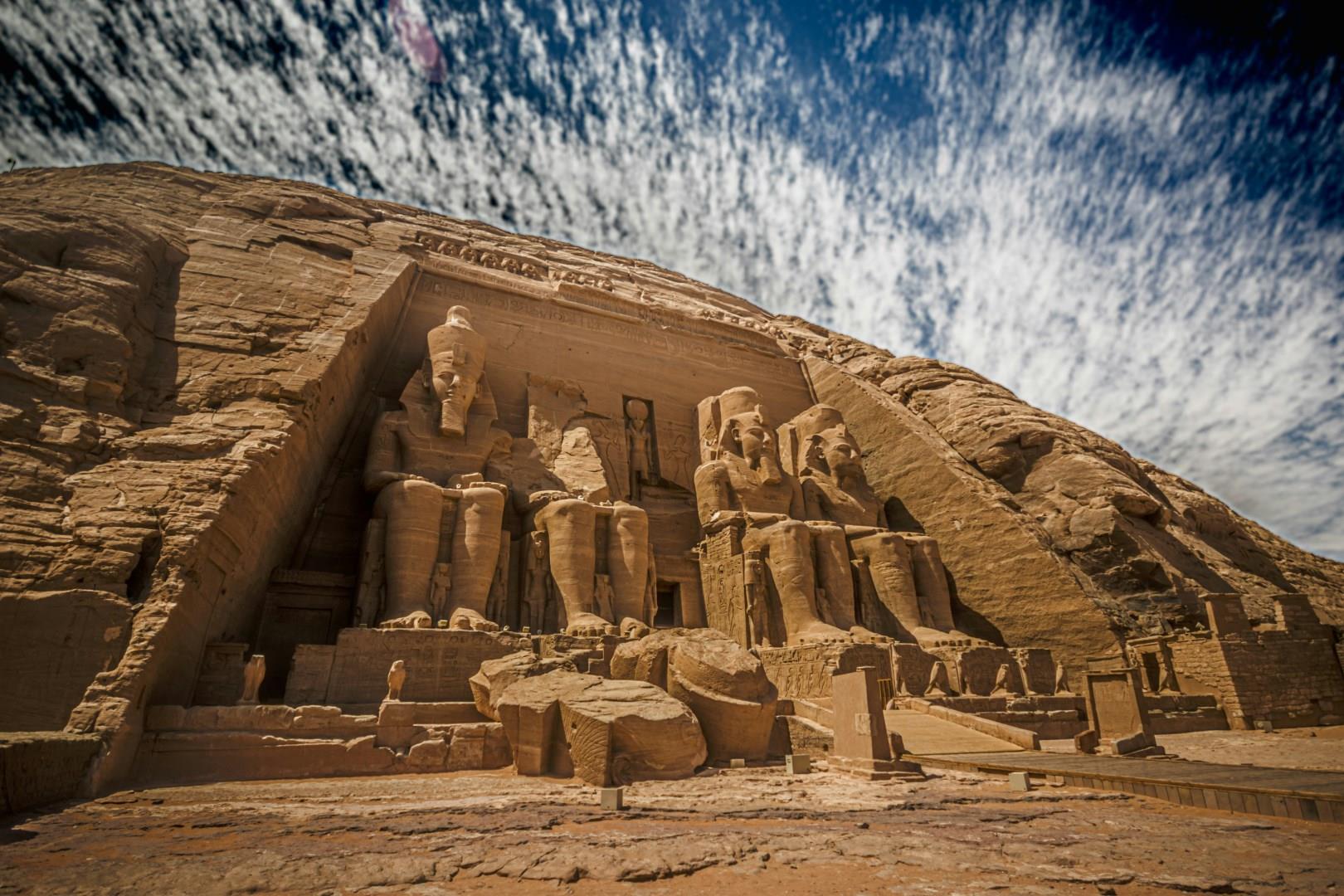
Abu Simbel
Abu Simbel, in southern Egypt near the border with Sudan, is one of the most awe-inspiring archaeological sites of the ancient world. Built during the reign of Pharaoh Ramses II in the 13th century BCE, the twin temples were carved directly into the sandstone cliffs overlooking the Nile. The Great Temple, with its four colossal statues of Ramses II seated at the entrance, was designed not only to honor the pharaoh but also to project his power to neighboring Nubia.

Lao Cai
Lao Cai, a gateway city to the northern highlands of Vietnam, offers an alluring blend of cultural diversity, breathtaking landscapes, and a touch of French colonial heritage. Situated along the Red River and bordering China, Lao Cai is the starting point for adventurers heading to the famous terraced rice fields of Sapa, but it has its own unique charms to discover.

Malta
Malta is a Mediterranean gem known for its warm climate, stunning coastline and vibrant culture. Whether wandering through its historic cities, relaxing by the sea, or discovering its unique traditions, visitors will find endless reasons to explore this island nation.
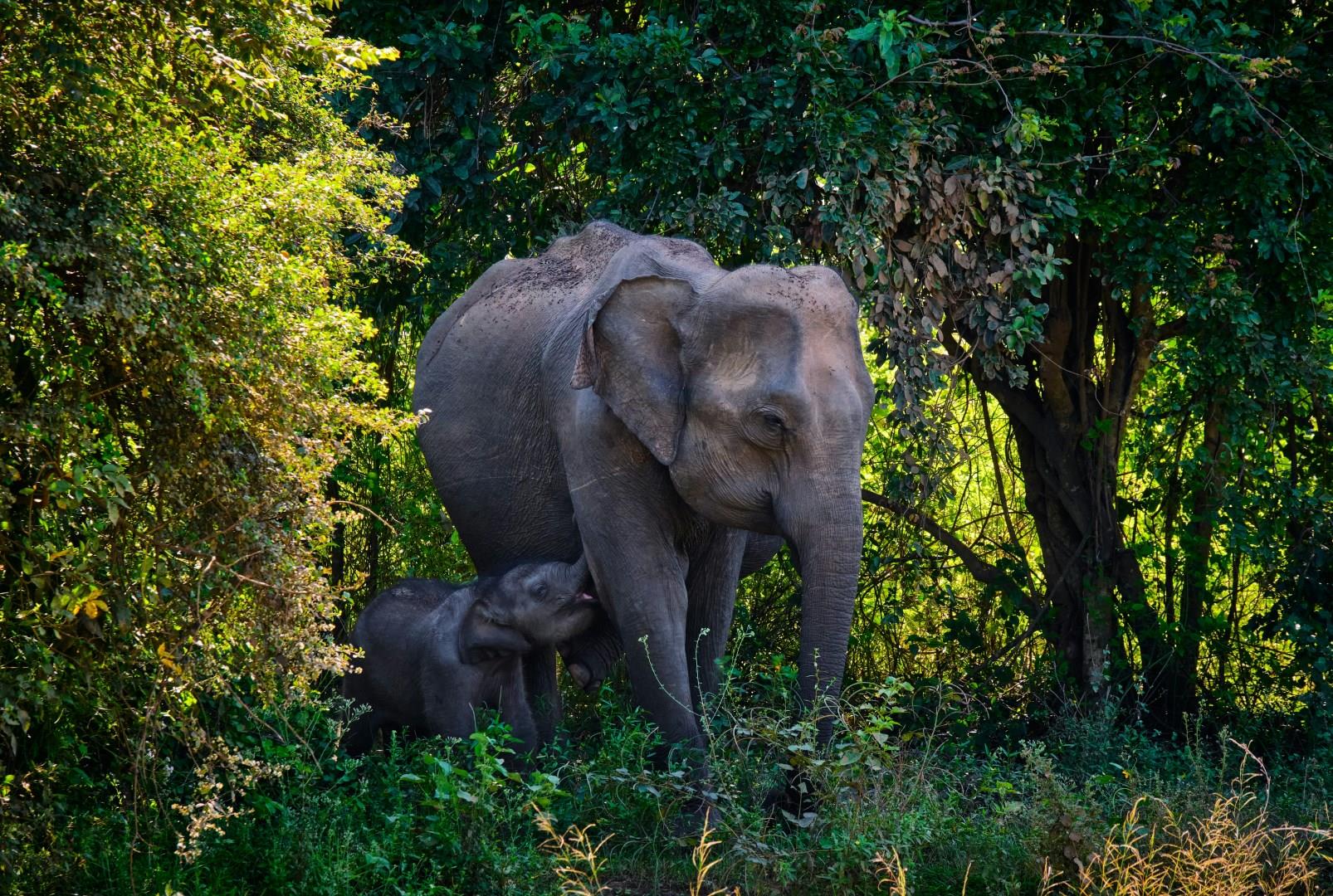
Udawalawe National Park
Udawalawe National Park, located in southern Sri Lanka, is one of the country’s best places to see wild elephants in their natural environment. Established in 1972, the park protects an important watershed area around the Udawalawe Reservoir and provides a sanctuary for hundreds of elephants, which can often be seen roaming in herds across the open grasslands.

Karlovy Vary
Karlovy Vary, nestled in the west of the Czech Republic, is renowned for its therapeutic thermal springs and charming architecture. The town's spa heritage dates back to the 14th century when Charles IV, the Holy Roman Emperor, discovered the healing powers of its mineral waters. Today, Karlovy Vary continues to attract visitors seeking relaxation and wellness at its historic spa resorts, such as the luxurious Grandhotel Pupp, a hallmark of classic elegance source.
