
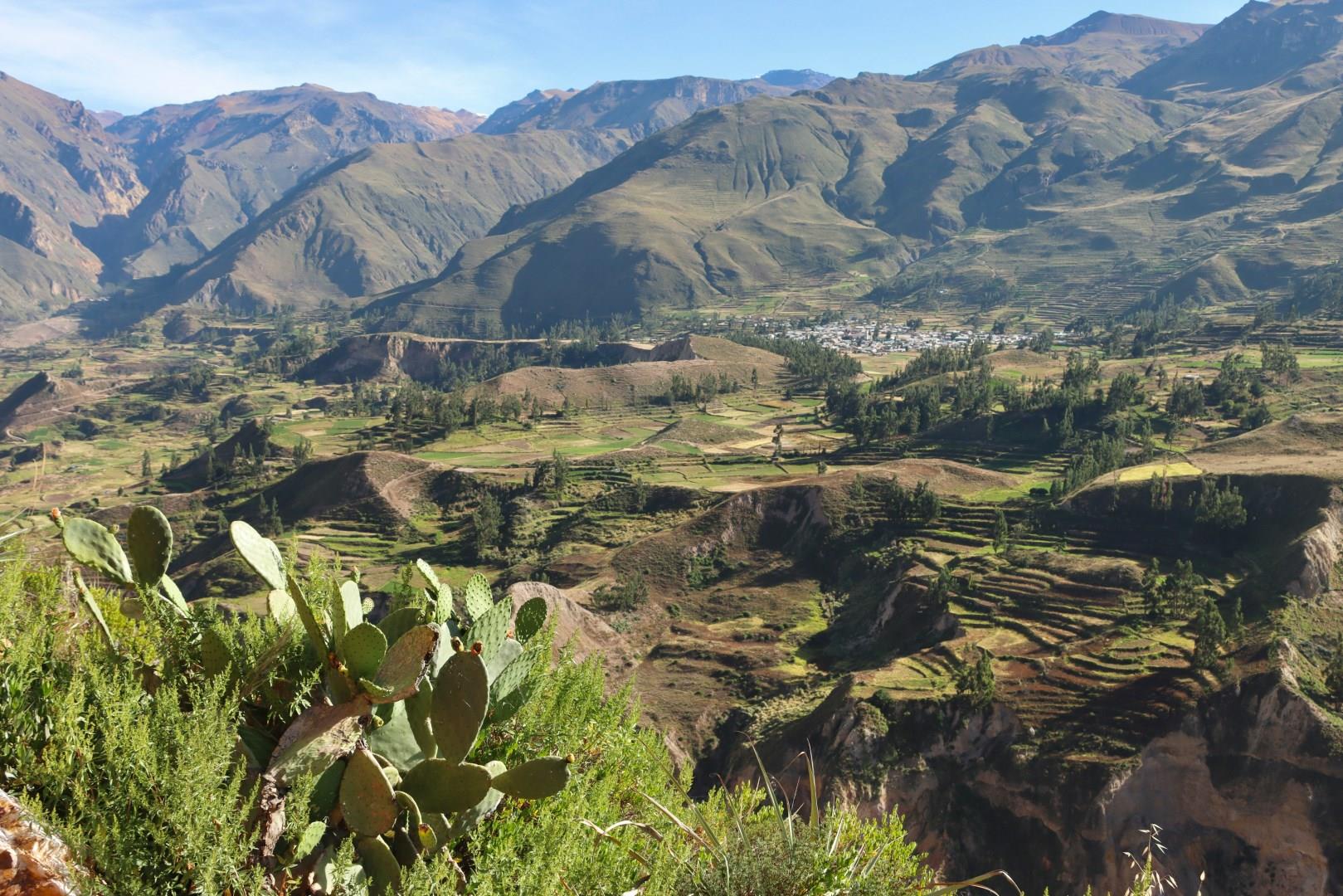
Colca Canyon
Colca Canyon, located in southern Peru’s Arequipa region, is one of the deepest canyons in the world, twice as deep as the Grand Canyon in some areas. What makes it stand out even more is how human settlements have coexisted with the landscape for centuries. Along its walls, pre-Inca agricultural terraces still hold crops like corn and quinoa. One of the main draws of the canyon is the opportunity to see Andean condors in flight.
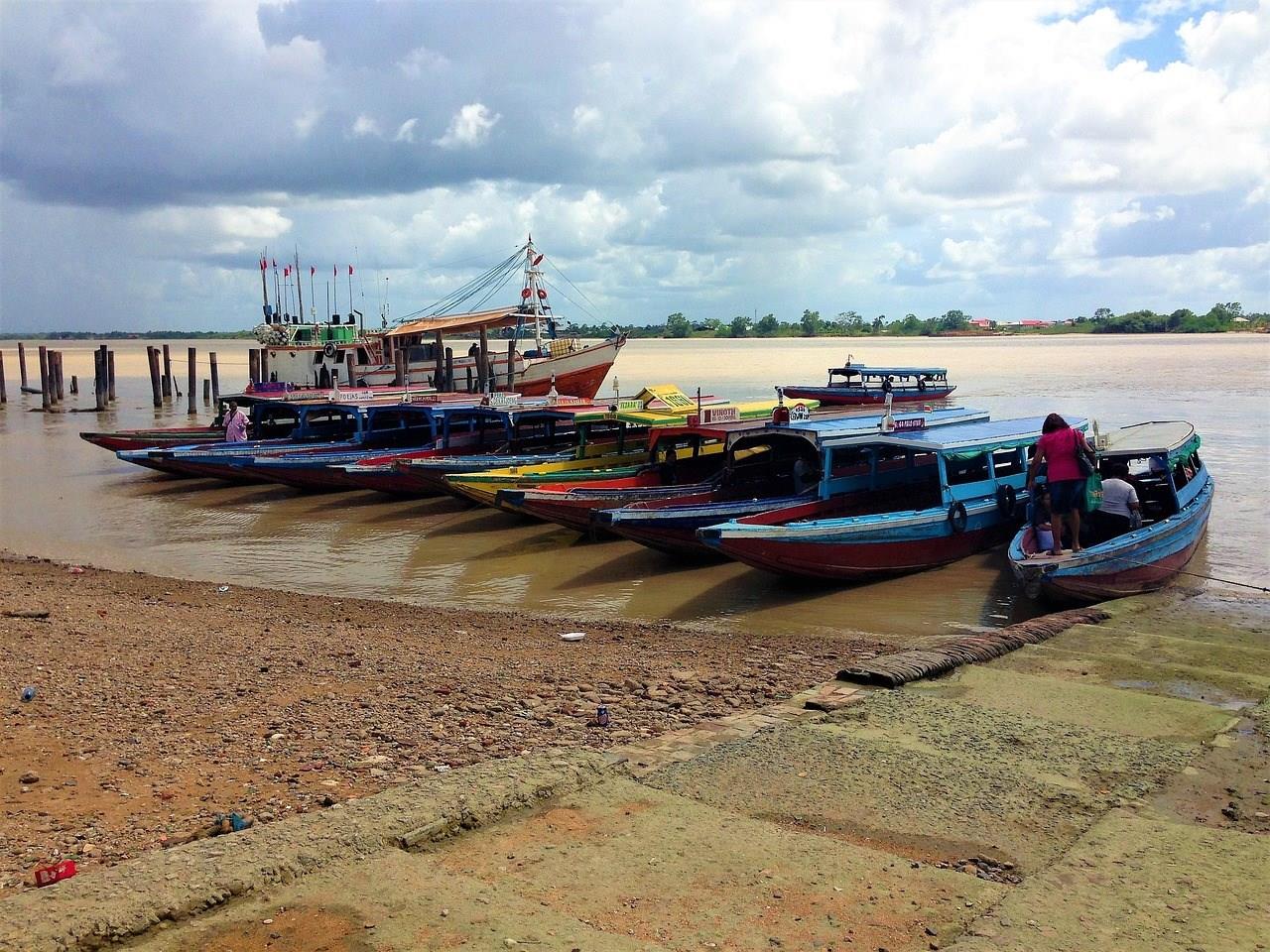
Paramaribo
Paramaribo, Suriname’s capital, unfolds like a living storybook along the Suriname River, where wooden structures from the 17th and 18th centuries still stand today. This historic heart reveals a rare fusion of Dutch design and local craftsmanship. Visitors can stroll the Waterkant, a riverside avenue, and take in landmarks such as Fort Zeelandia, the neoclassical Reformed Church, and the lofty wooden Cathedral of St. Peter and Paul.
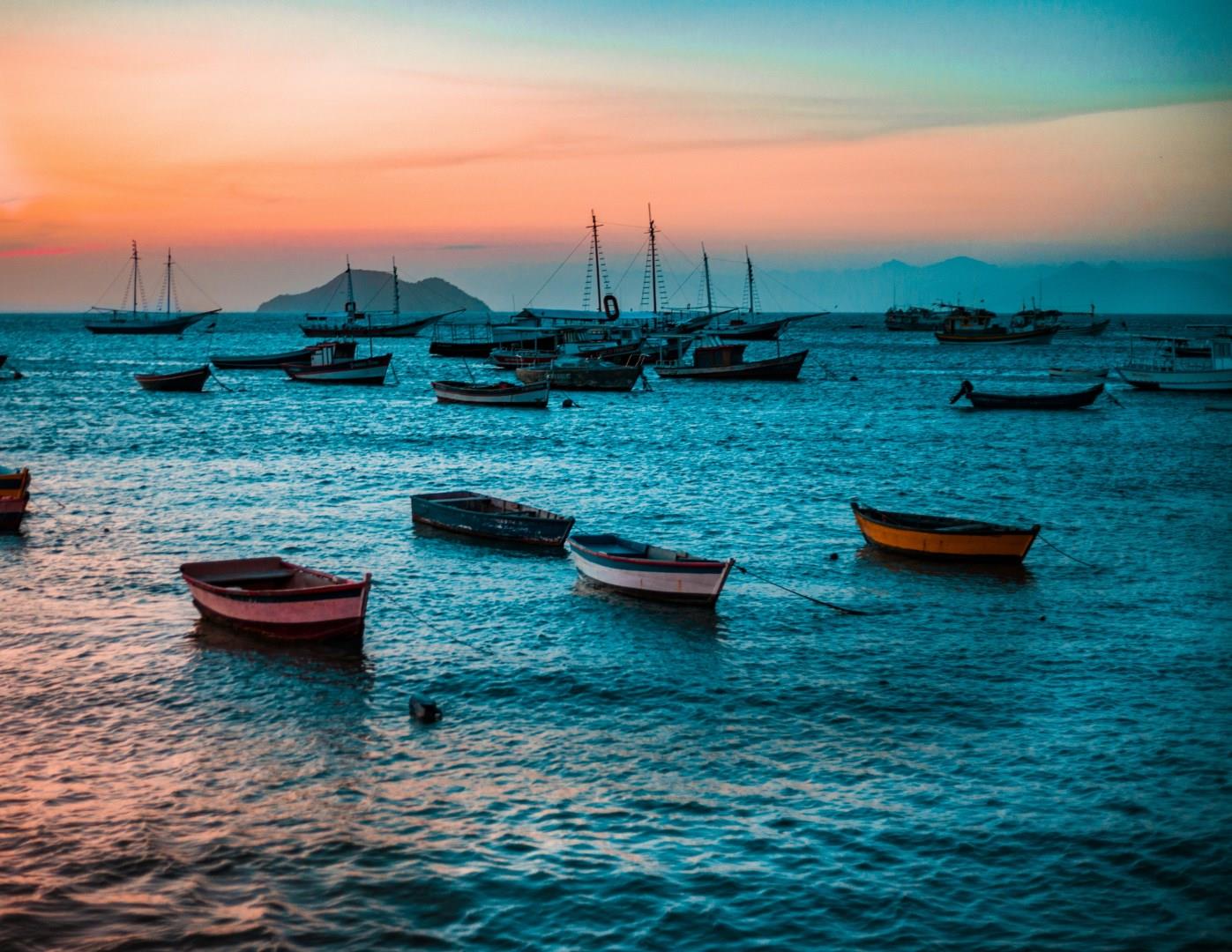
Búzios
Búzios, a small peninsula just a few hours from Rio de Janeiro, is known for its striking coastline, relaxed atmosphere, and vibrant cultural scene. Once a quiet fishing village, it rose to international attention in the 1960s when French actress Brigitte Bardot visited and fell in love with its laid-back lifestyle. The region is famous for its more than 20 beaches, each with its own personality.

Saint Augustine
Saint Augustine, Florida, is a charming tapestry of history and coastal beauty. As the oldest continuously inhabited European-established settlement in the continental United States, this historic city offers a fascinating glimpse into early American life. Founded by Spanish explorers in 1565, Saint Augustine boasts an array of colonial architecture and historic landmarks.

Rapid City
Rapid City is the gateway to iconic Mount Rushmore National Memorial and a delightful stop for your next trip to South Dakota.
