

Las Vegas
Las Vegas, Nevada, is an electrifying city where glitz and glamour meet entertainment and excitement. Known as "The Entertainment Capital of the World," Las Vegas offers an unparalleled array of attractions, from its iconic casinos and luxurious hotels to its world-class dining and live shows. The city's entertainment scene is second to none, featuring legendary headliners, cutting-edge performances, and an array of themed attractions.

Cartagena
A true gem on the Caribbean coast, the port city of Cartagena (Cartagena de Indias) welcomes visitors with its charming old town, colonial buildings, and exceptional beaches. A popular cruise ship stop, many seafarers find themselves honorary Cartagenans, as they stroll shady, cobblestone lanes and gaze upon impressive churches.
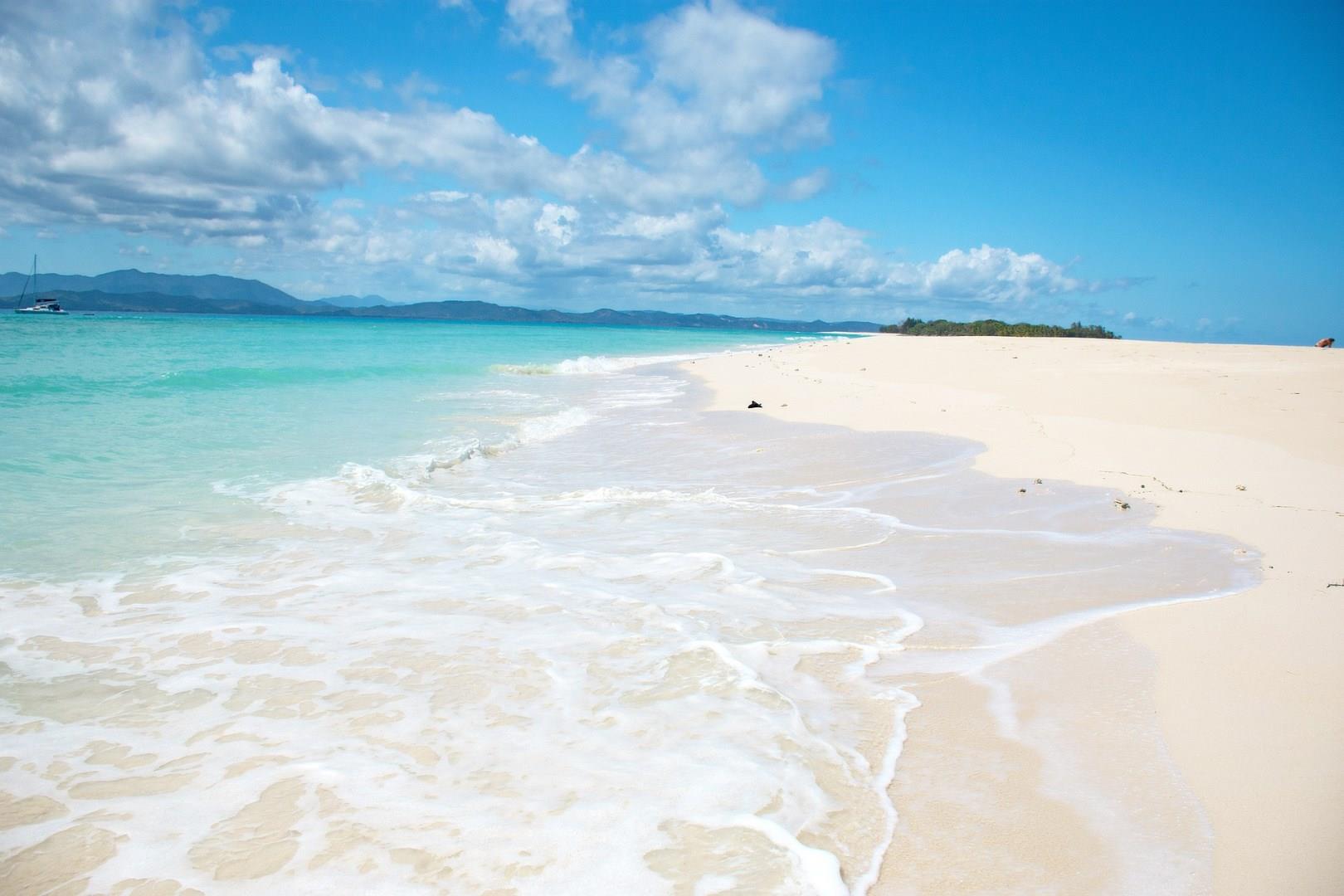
Nosy Iranja
Nosy Iranja, a tropical paradise off the northwest coast of Madagascar, is a must-visit destination for travelers seeking an untouched escape. Known for its stunning natural beauty, Nosy Iranja is actually composed of two islands, Nosy Iranja Be and Nosy Iranja Kely, connected by a striking sandbar that appears at low tide. Visitors can stroll across the white sands with crystal-clear turquoise waters on either side, creating an otherworldly experience of walking between two islands.

Canary Islands
The Canary Islands, a Spanish archipelago off the northwest coast of Africa, offer far more than just sunshine and beaches. Made up of eight main islands, each with its own personality, the Canaries are a place where lunar landscapes, cloud forests, volcanic peaks, and historic towns coexist within short travel distances. On Tenerife, Mount Teide looms over a landscape of solidified lava and craters that look like a science fiction set.
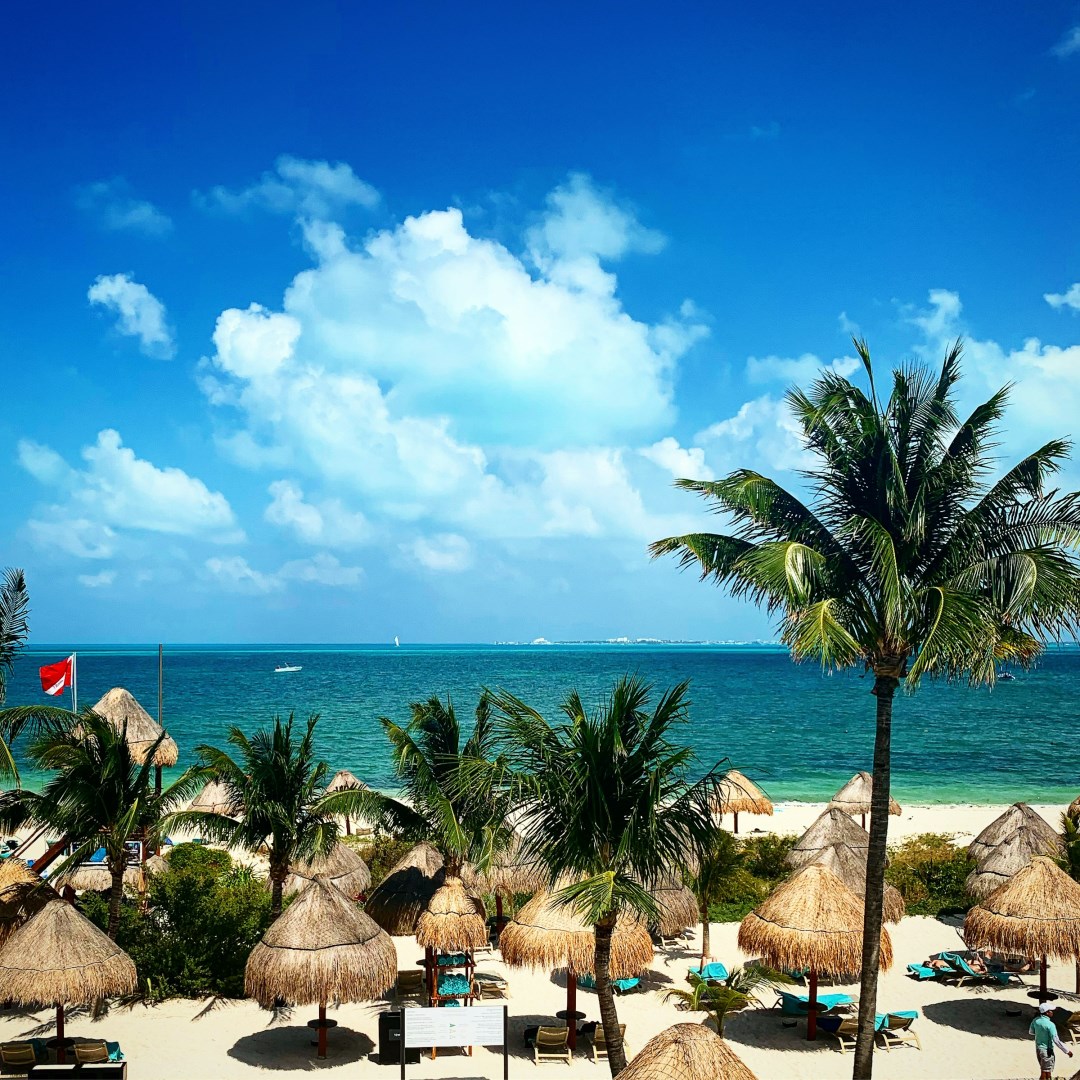
Isla Mujeres
North of Cancun, the island was first discovered by the Spanish in the 1500's. It has numerous Mayan ruins, many badly eroded. It is also a sanctuary for sea turtles.
