

Antananarivo
Antananarivo, Madagascar’s vibrant capital, offers a unique blend of cultural richness and historical depth. Perched on a series of hills, the city’s layout is characterized by its steep streets and traditional architecture. The Royal Palace, or Rova of Antananarivo, is a central landmark, offering a glimpse into Madagascar's royal past. Although much of the palace was destroyed by fire in 1995, the site remains a significant cultural and historical monument.

Whitsunday Island
The Whitsunday Islands sit in the heart of Australia’s Great Barrier Reef, where more than 70 islands rise from wide blue seas and offer an invitation to explore. Whitsunday Island itself is the largest of this group, known internationally for its ribbon of white silica sand stretching over seven kilometers at Whitehaven Beach. This sand feels cool underfoot even in warm sunshine because it’s made of nearly pure silica carried there by ancient ocean currents.
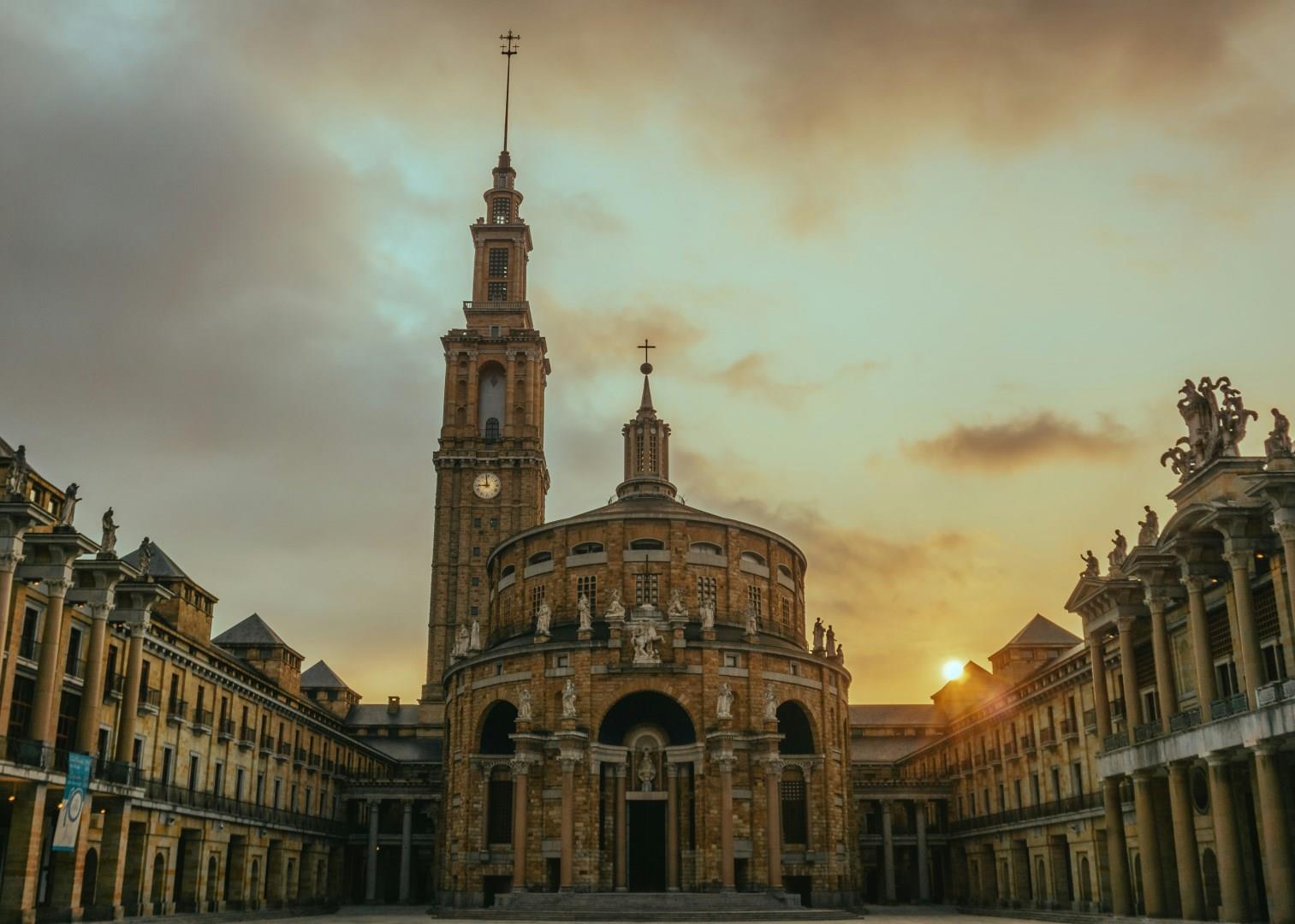
Gijon
Gijón sits on Spain’s northern coast in Asturias, shaped by its long relationship with the Cantabrian Sea. From its origins as a Roman settlement to its later growth as an industrial and port city, Gijón has balanced maritime work with civic life.

Nafplion
Nafplion, a picturesque coastal town in the Peloponnese, is often hailed as one of Greece's most charming and romantic destinations. As the first capital of modern Greece, Nafplion boasts a rich history, evident in its well-preserved neoclassical buildings, Venetian fortresses, and Ottoman influences.

Ghana
Ghana, located along West Africa’s Gulf of Guinea, offers a rich blend of cultural heritage and history.
