
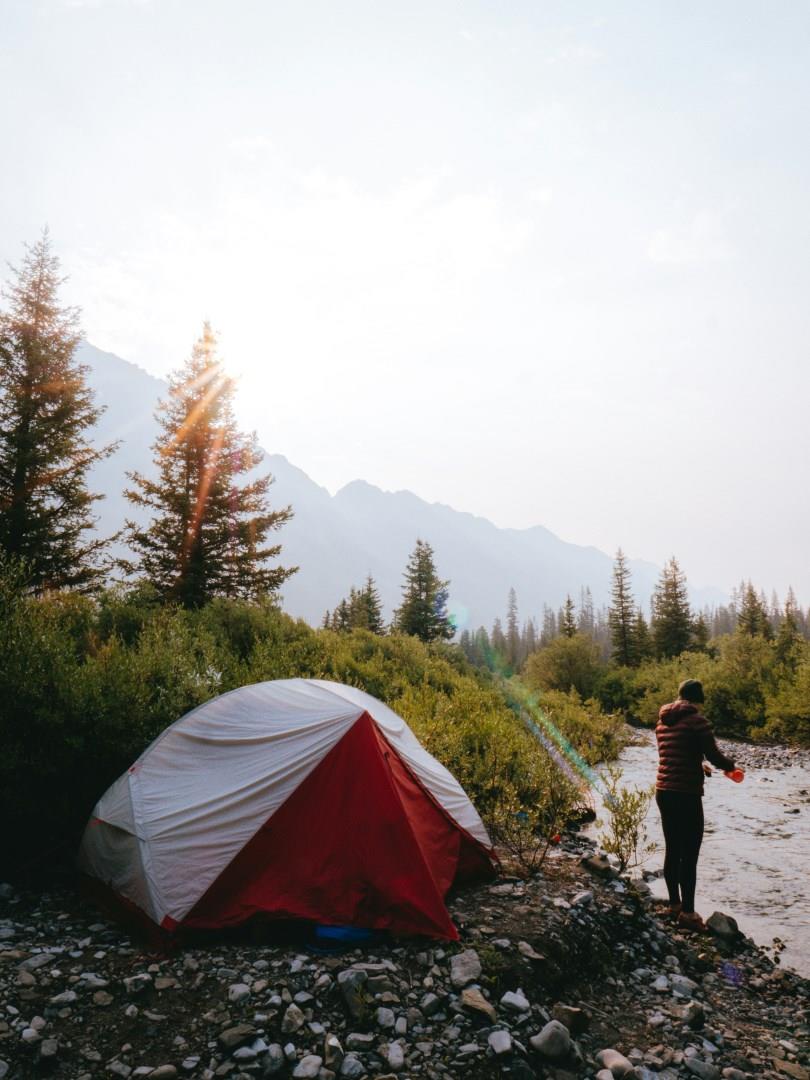
Kananaskis
Kananaskis, located in the foothills and front ranges of the Canadian Rockies in Alberta, is a vast region celebrated for its rugged mountains, alpine lakes, and outdoor recreation opportunities. Unlike nearby Banff or Jasper, Kananaskis is less developed and offers a quieter, more wilderness-focused experience while still being easily accessible from Calgary.

Dominica
Dominica, known as the “Nature Island of the Caribbean,” is a haven for eco-tourists and adventure seekers. Nestled between the French islands of Guadeloupe and Martinique, this lush island boasts a remarkable landscape of volcanic mountains, dense rainforests, and stunning waterfalls. Dominica’s most iconic natural wonder is the Boiling Lake, the second-largest hot spring in the world.

South Queensferry
Nestled on the southern shore of the Firth of Forth, South Queensferry is a picturesque town in Scotland that offers a delightful blend of historical charm and stunning natural beauty.

Jodhpur
Jodhpur, often called the "Blue City" of India, is located on the edge of the Thar Desert in the state of Rajasthan. The city is famous for the blue-painted houses in its old quarter, which create a striking contrast against the golden hue of the desert landscape.
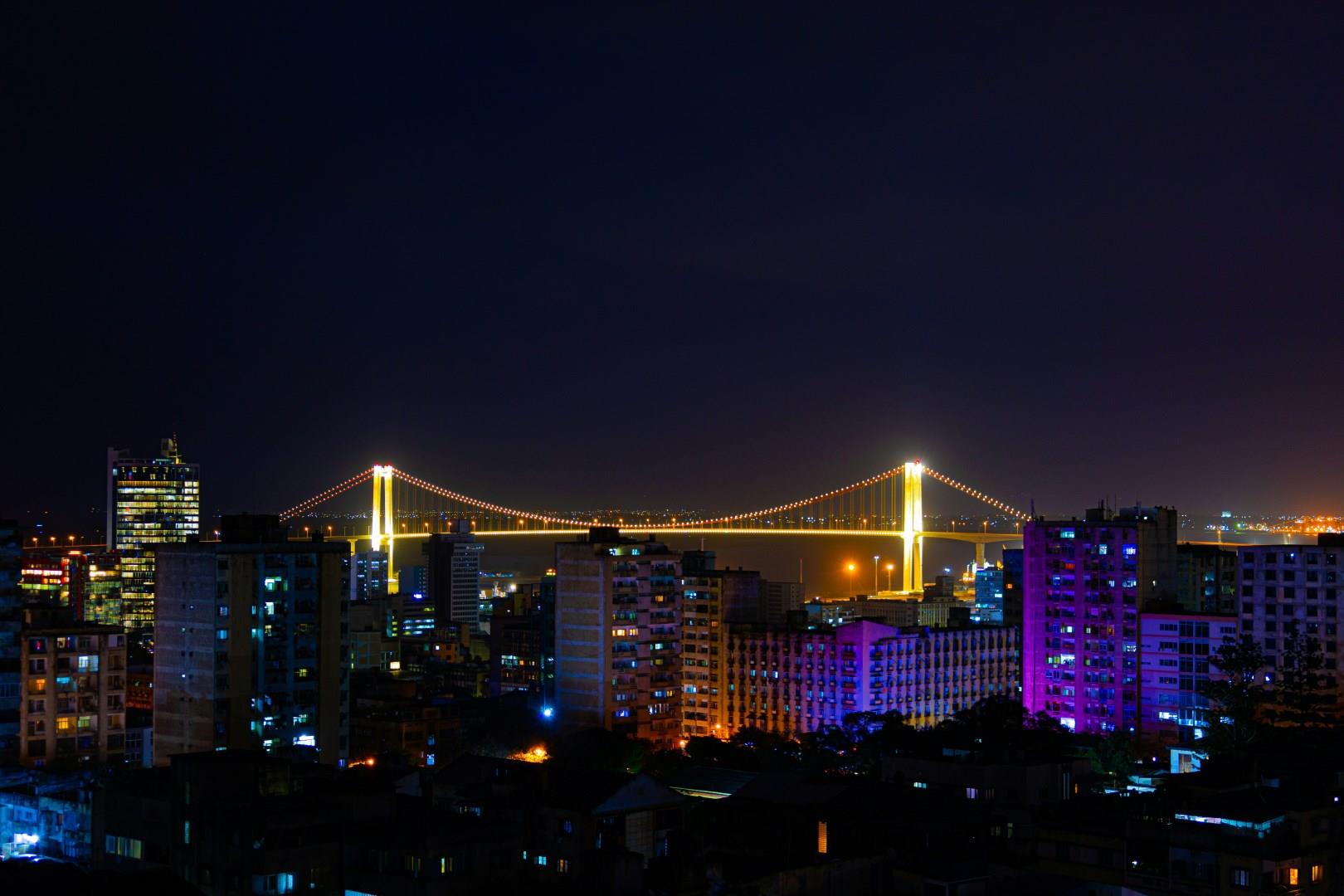
Maputo
Maputo, Mozambique’s capital, grew from a modest colonial port into a city shaped by trade, migration, and independence.
