

Nakuru
Nestled in Kenya's Rift Valley, Nakuru is a city that captivates with its stunning natural beauty and vibrant wildlife. The city is renowned for Lake Nakuru National Park, a UNESCO World Heritage Site known for its extraordinary flocks of flamingos that once numbered in the millions. Although flamingo populations fluctuate, the lake remains a sanctuary for other bird species and wildlife, including black and white rhinos, giraffes, and lions.

Walvis Bay
Walvis Bay, set along Namibia’s Atlantic coast, is a vibrant port town where desert and ocean converge in striking contrast. Once under German and later South African administration, the bay has long been valued for its deep natural harbor, which remains central to Namibia’s fishing and shipping industries today.
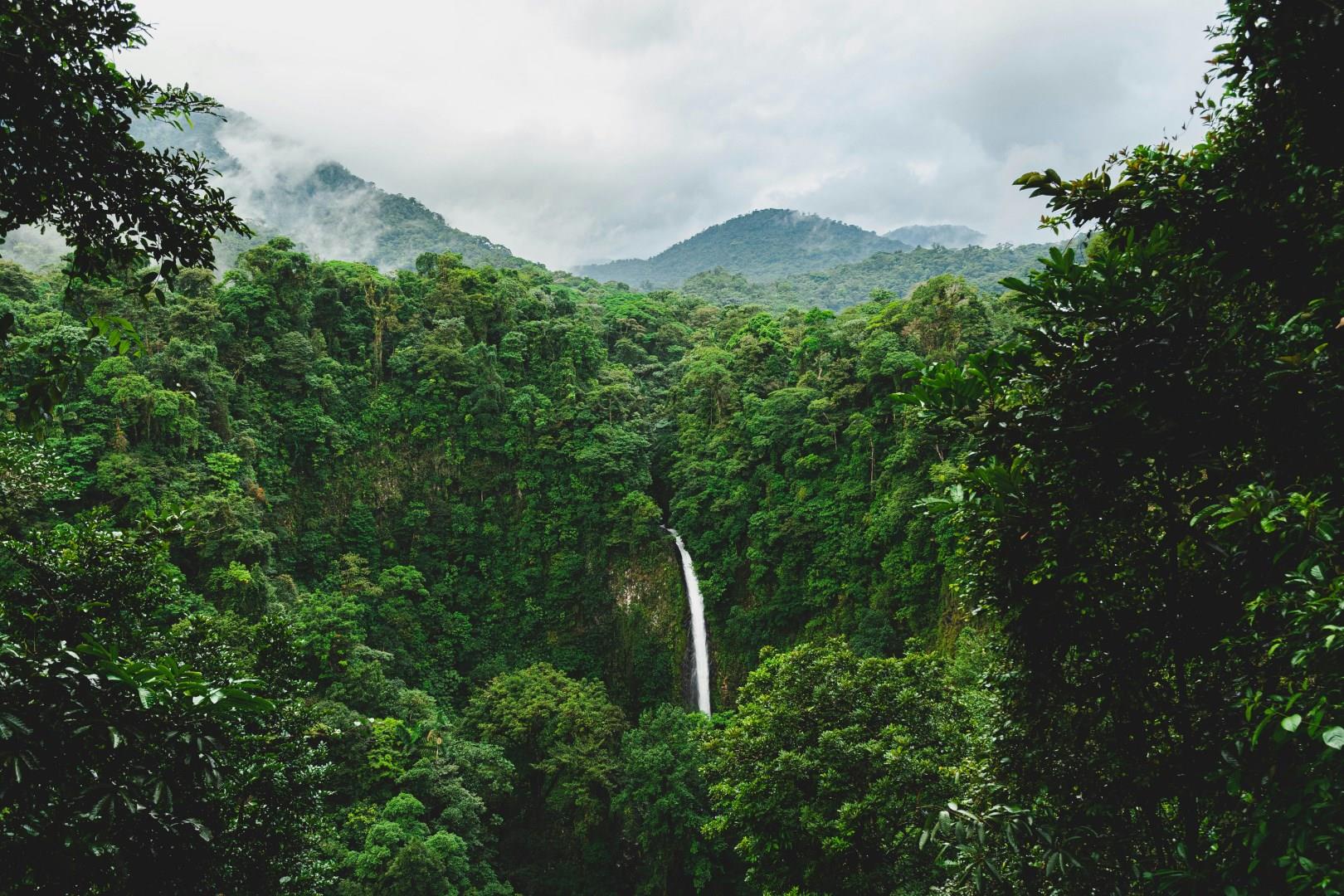
Arenal
Nestled in the lush region of northern Costa Rica, Arenal is a destination that promises adventure, relaxation, and breathtaking natural beauty. Dominated by the imposing Arenal Volcano, one of the most active volcanoes in the world until recently, this area is a paradise for nature lovers and thrill-seekers alike.
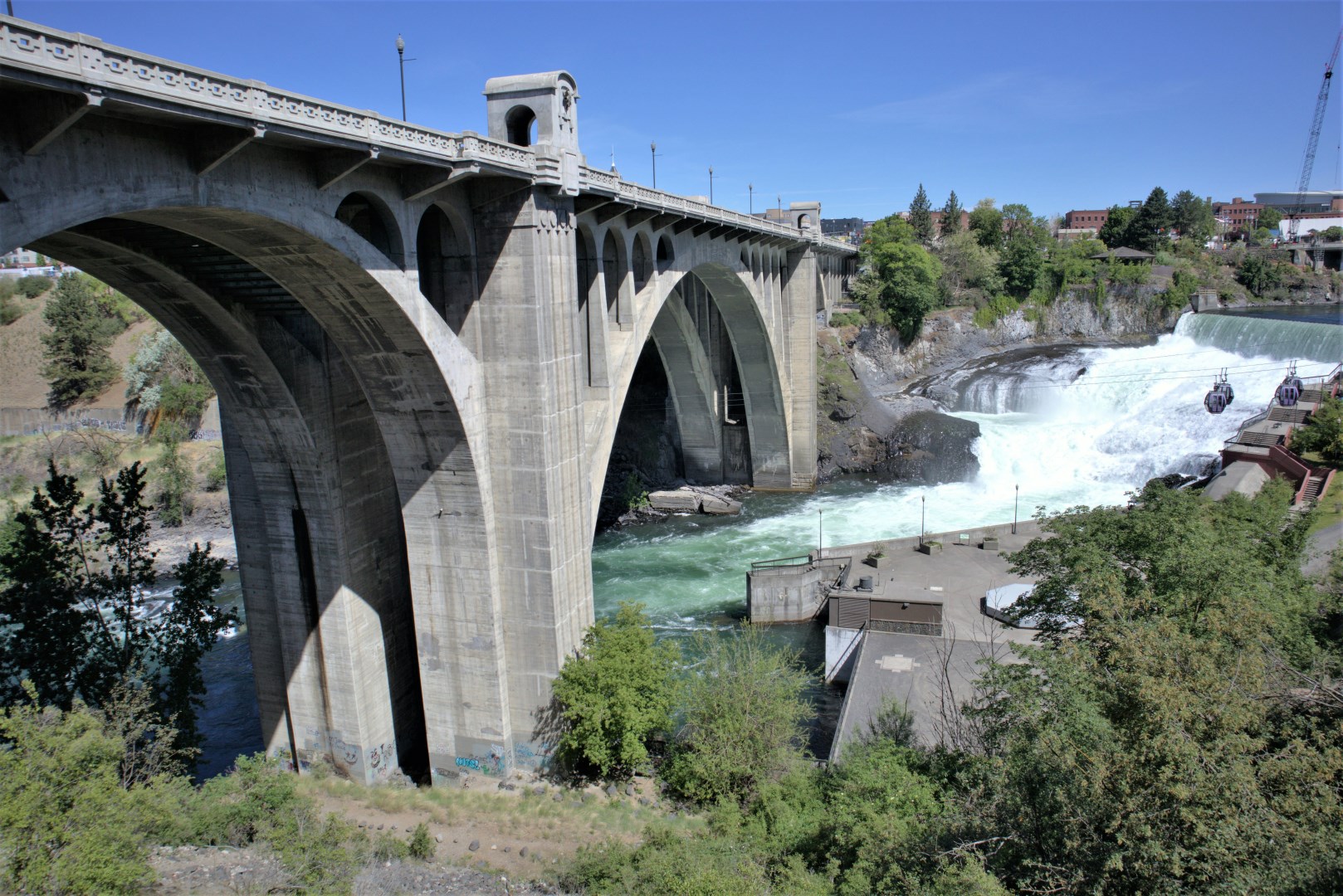
Spokane
Spokane, Washington, nestled in the scenic Inland Northwest, offers an engaging mix of natural beauty and vibrant city life. Known as the "Lilac City," Spokane is celebrated for its lush green spaces and the stunning Riverfront Park, which features the iconic Spokane Falls and a variety of outdoor activities. The park's spectacular waterfalls and well-maintained walking trails provide a picturesque backdrop for visitors exploring the city's urban oasis.
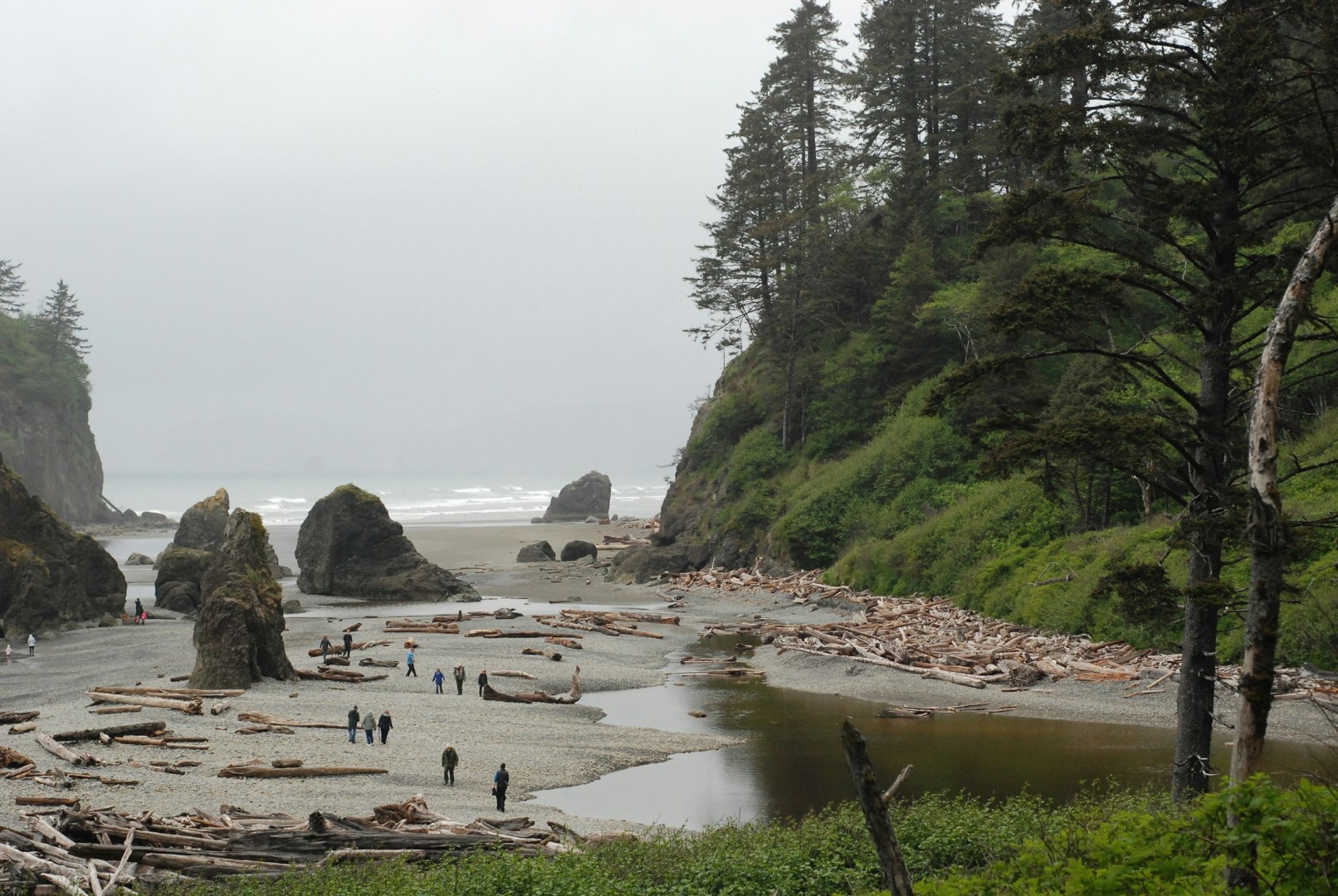
Olympia
Olympia, the capital of Washington State, is a vibrant city situated at the southern tip of Puget Sound. Known for its scenic waterfront, thriving arts community, and political significance, Olympia offers a unique blend of natural beauty and urban culture.
