

Georgetown
Georgetown, the vibrant capital of the Cayman Islands, offers an alluring blend of Caribbean charm and modern sophistication. As the bustling heart of the Grand Caymans, it is renowned for its picturesque harbor, duty-free shopping, and a rich tapestry of cultural experiences.

Kranjska Gora
Nestled in the Julian Alps of Slovenia, Kranjska Gora is a charming alpine town known for its stunning landscapes and outdoor activities. This picturesque destination offers a gateway to breathtaking natural beauty, from the snow-capped peaks of the Julian Alps to the lush, green valleys that surround the town.
East and Southeast Asia
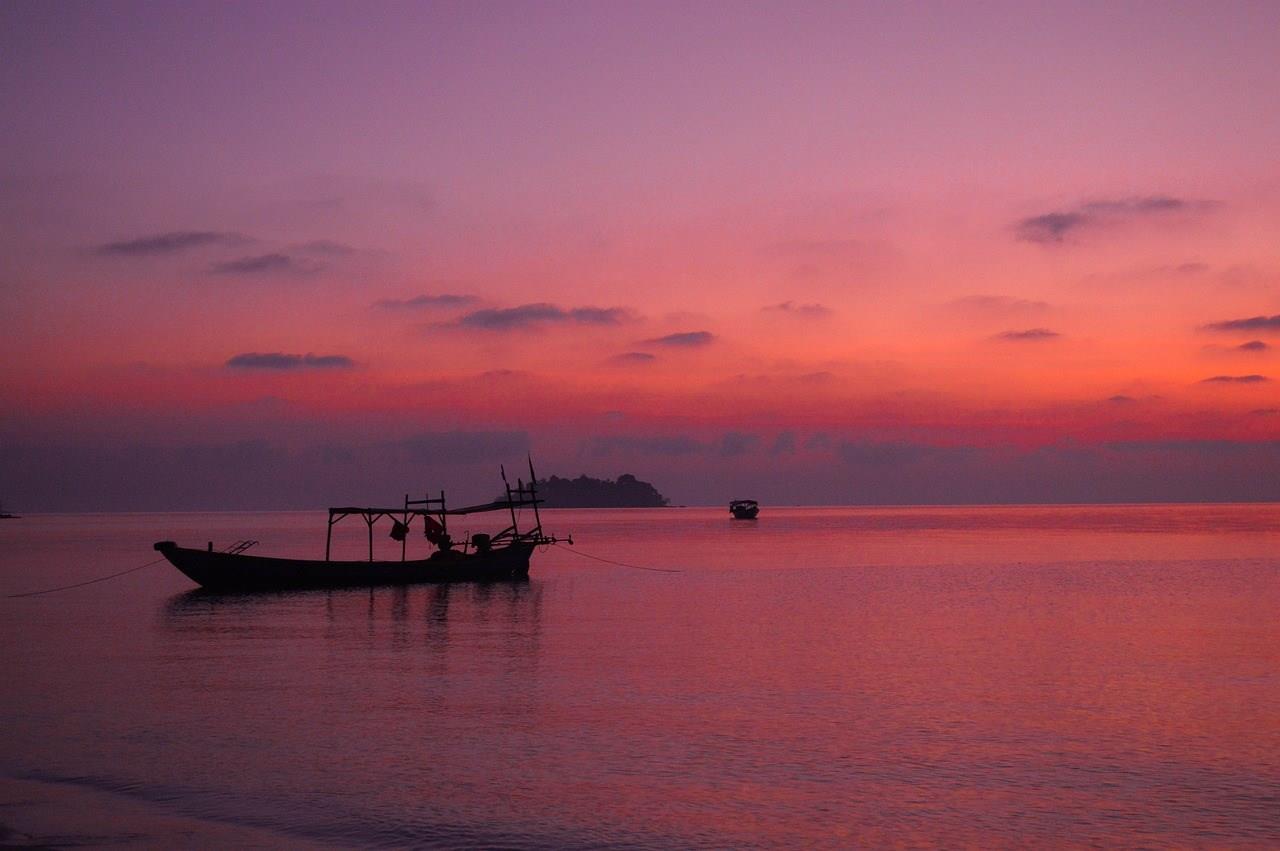
East and Southeast Asia encompass a vast and diverse region, stretching from the towering peaks of the Himalayas to the turquoise waters of the South China Sea. This area is home to some of the world’s most vibrant cities, tranquil rural landscapes, and a rich blend of traditions.
Tomar
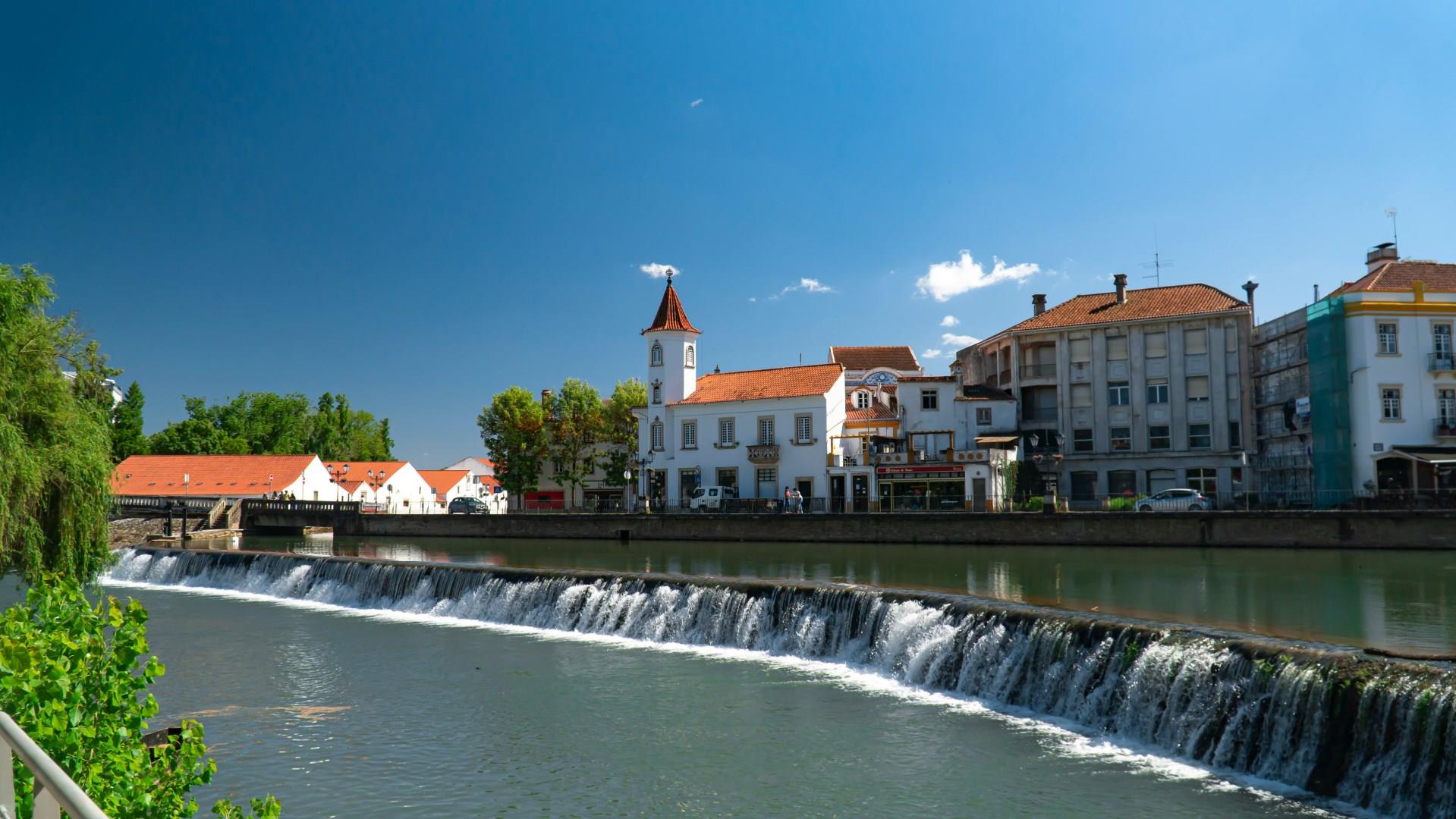
Tomar sits on the Nabão River in central Portugal as a place where medieval history and everyday life meet in welcoming streets and grand monuments. Just outside the convent walls lies the Pegões Aqueduct, an impressive feat of engineering more than 6 kilometers long that once carried water from distant springs to the hilltop site. Some sections of its arches rise more than 30 meters above the valley floor, making it a striking backdrop for photos.
Burgos
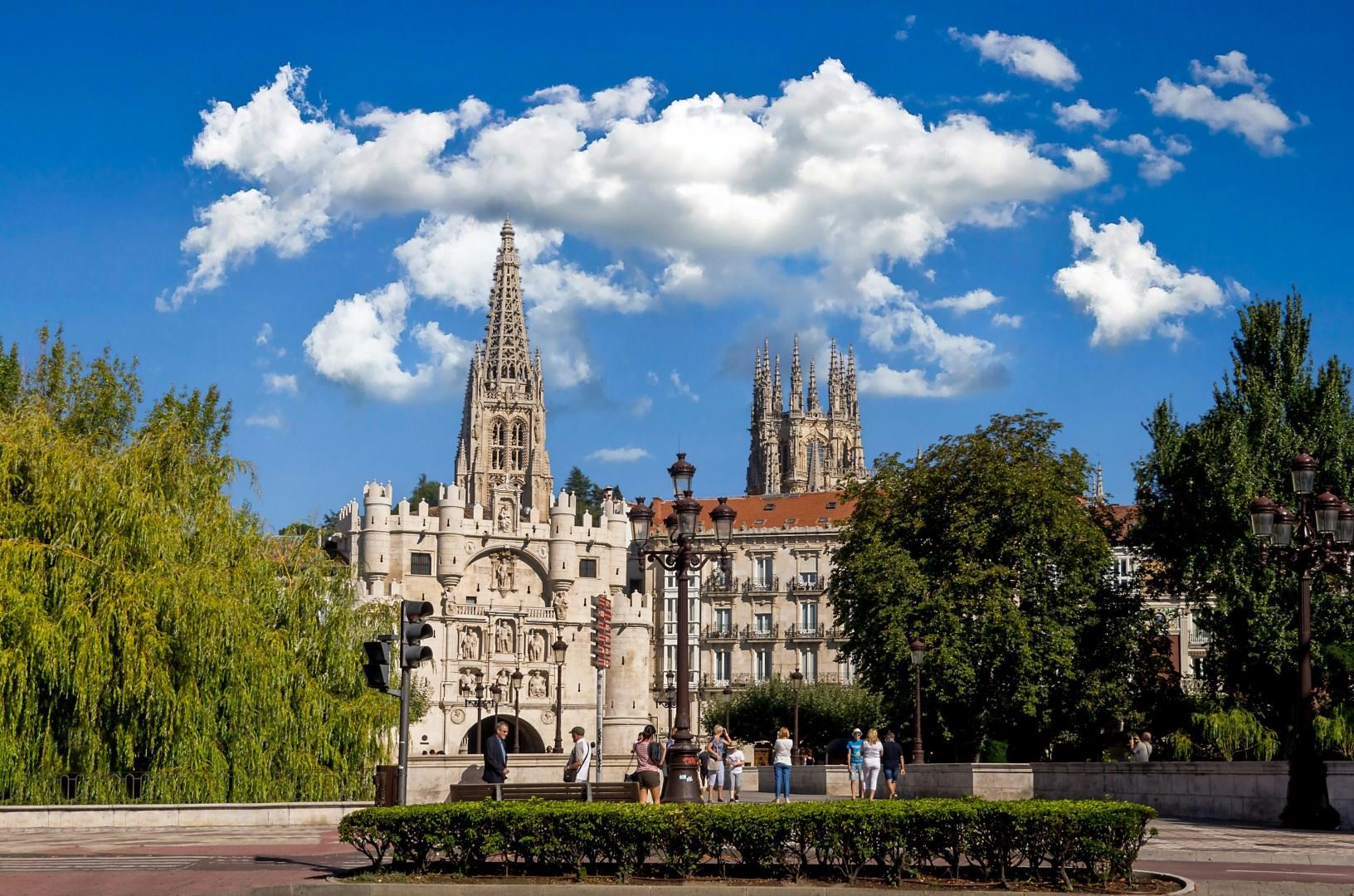
Burgos, located in northern Spain, is a city where medieval heritage is still part of daily life. At its heart stands the Burgos Cathedral, a UNESCO World Heritage Site and one of the most striking examples of Gothic architecture in Europe. Construction began in 1221 and continued for over 300 years, resulting in a cathedral that features elaborate spires, stained glass, and the tomb of El Cid, Spain’s legendary military leader.
