

Mongolia
Mongolia, a landlocked nation between Russia and China, is defined by vast steppes, dramatic mountain ranges, and the sweeping expanse of the Gobi Desert. Known for its nomadic traditions, the country preserves a way of life that has endured for centuries.
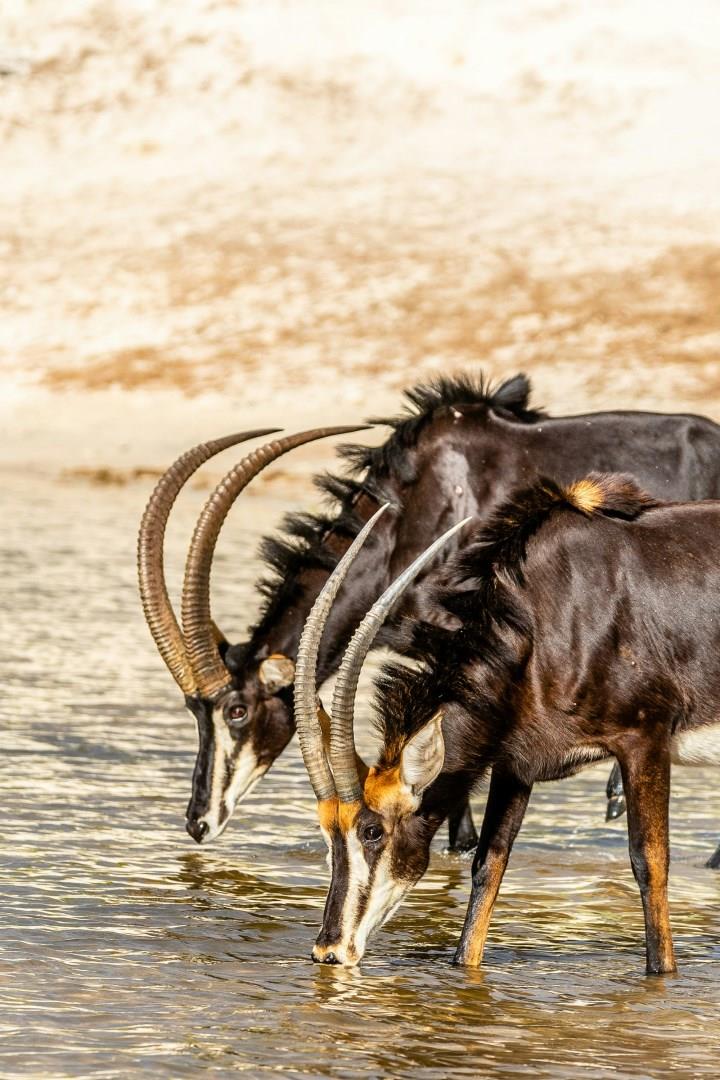
Linyanti Wildlife Reserve
Linyanti Wildlife Reserve, tucked into the northern reaches of Botswana near the Chobe River, is a remote and pristine safari destination known for its rich biodiversity and exclusivity. Covering more than 275,000 acres of wilderness, the reserve is defined by floodplains, lagoons, woodlands, and savannah, creating a mosaic of habitats that sustain an impressive array of wildlife.

Oman
Oman stands among the oldest independent states in the Arab world, with evidence of human habitation stretching back over 100,000 years. Its capital, Muscat, rises gently against limestone hills with no skyscrapers to interrupt its skyline. Visitors find broad avenues lined with stunning buildings leading to landmarks like the Sultan Qaboos Grand Mosque and the Royal Opera House, both offering glimpses into Omani artistry and modern elegance.

Visby
Medieval city with walls, defense towers and several churches. Every August, a medieval week is held, with jousting, food and authentic wardrobes.

Eryri National Park (Snowdonia)
Snowdonia, a majestic national park in North Wales, offers a stunning tapestry of natural beauty and adventure. At its heart is Mount Snowdon, the highest peak in Wales, reaching 1,085 meters (3,560 feet). The mountain is accessible via several well-marked trails, with the Snowdon Mountain Railway providing a scenic ride to the summit. From the top, panoramic views stretch over rugged landscapes and, on clear days, to the distant peaks of Ireland.
