
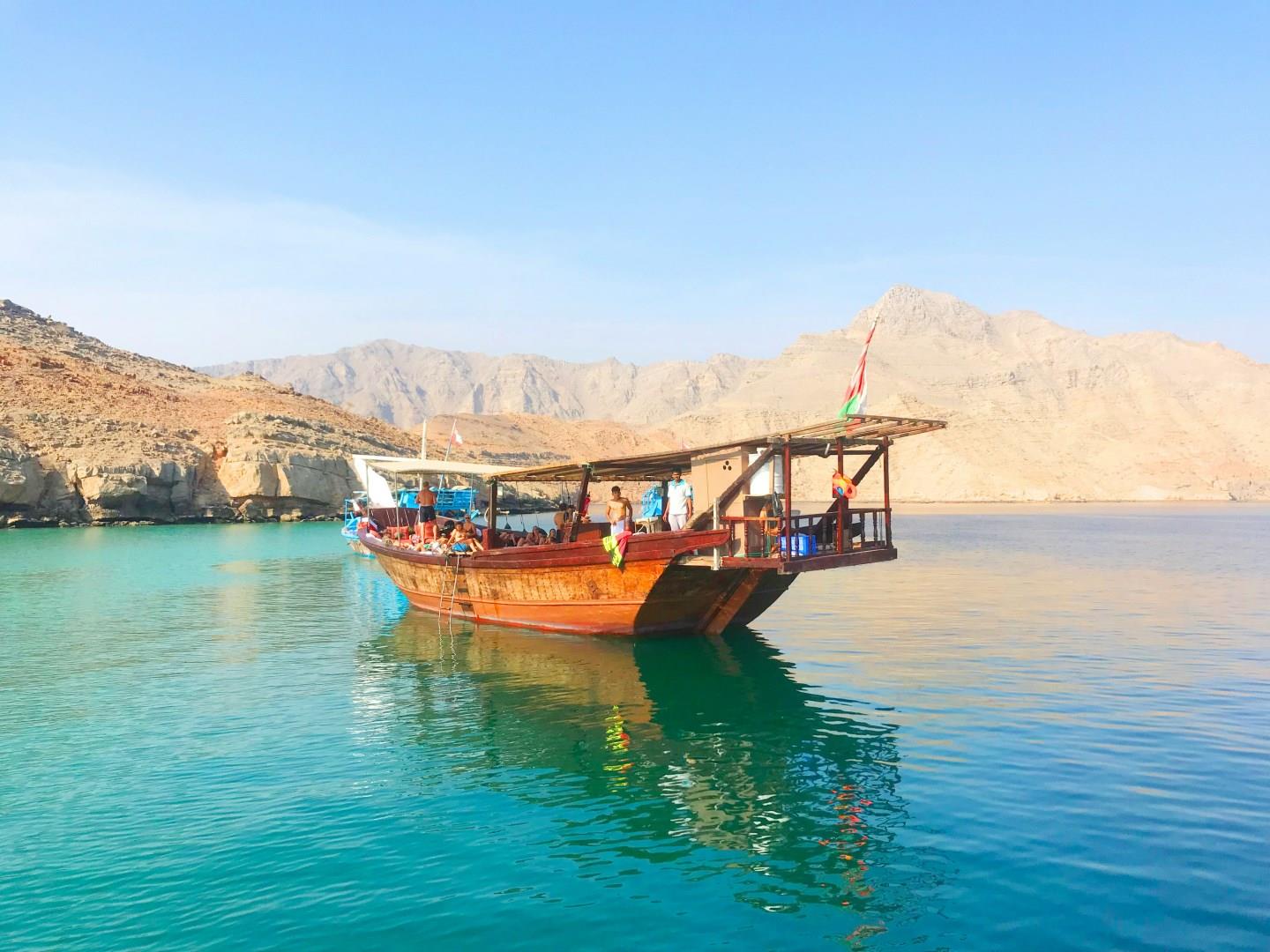
Khasab
Khasab stands at the edge of Oman’s Musandam Peninsula, where rocky inlets carve into the land like desert fjords and earning it the nickname "Norway of Arabia." A short dhow ride uncovers soaring cliffs and narrow waterways, often mirrored by pods of dolphins gliding beside the wooden vessel. These traditional dhows, used for centuries by traders, now carry visitors into those coastal arms for snorkeling, swimming, and quiet reflection.

Chișinău
Chișinău, the capital of Moldova, is a city rich in history and full of surprises for travelers seeking a blend of culture, architecture, and natural beauty. As you wander the tree-lined boulevards, you’ll discover the city’s intriguing mix of Soviet-era buildings, elegant Orthodox churches, and modern structures.
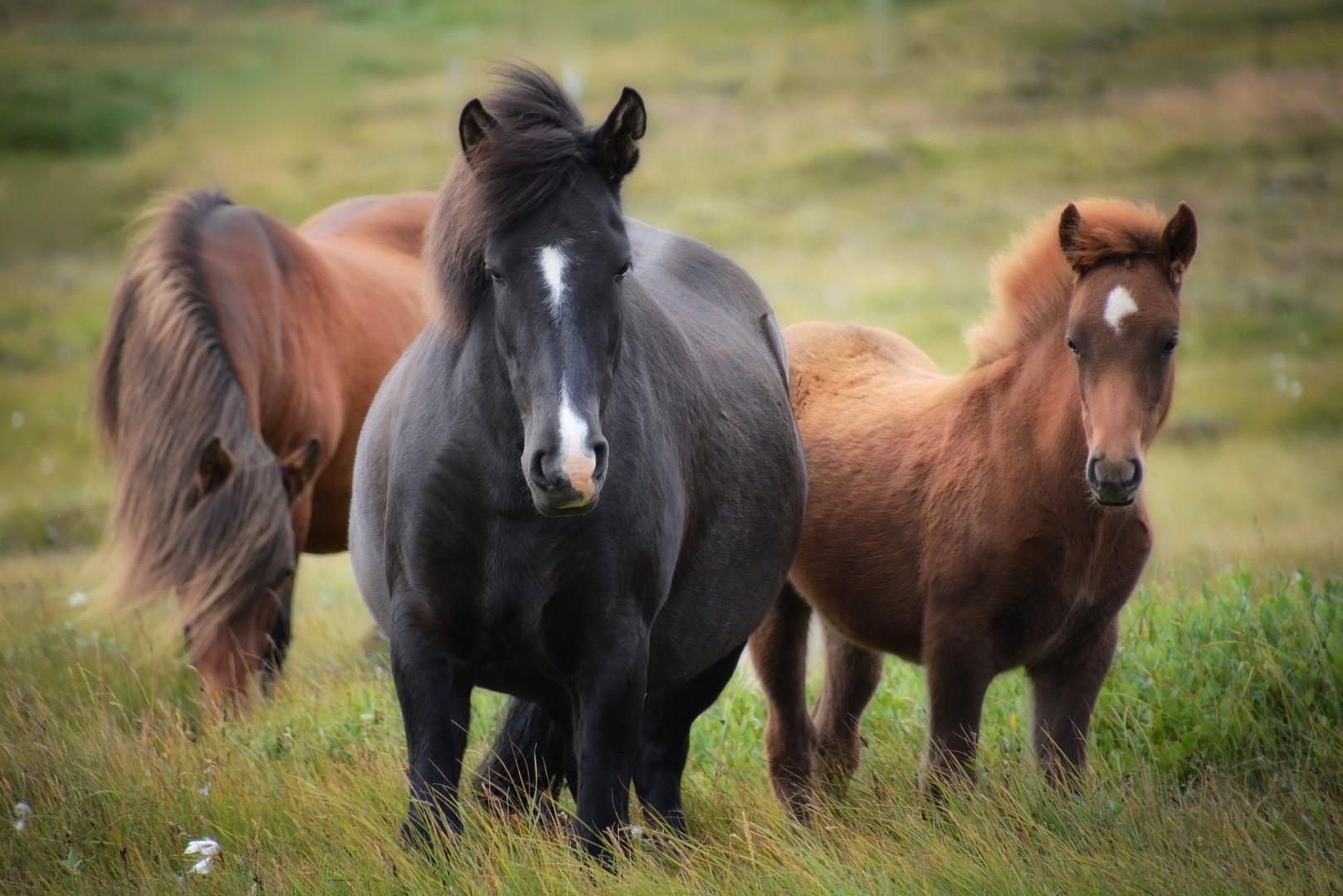
Iceland
Iceland, a land of extraordinary contrasts and natural wonders, offers an experience unlike any other. Its dramatic landscapes are defined by active volcanoes, geysers, and sprawling glaciers, all set against a backdrop of ethereal Northern Lights. A must-see is the Golden Circle, a popular route encompassing the Thingvellir National Park, the geothermal area of Geysir, and the majestic Gullfoss waterfall.

Georgetown
Georgetown, the vibrant capital of the Cayman Islands, offers an alluring blend of Caribbean charm and modern sophistication. As the bustling heart of the Grand Caymans, it is renowned for its picturesque harbor, duty-free shopping, and a rich tapestry of cultural experiences.
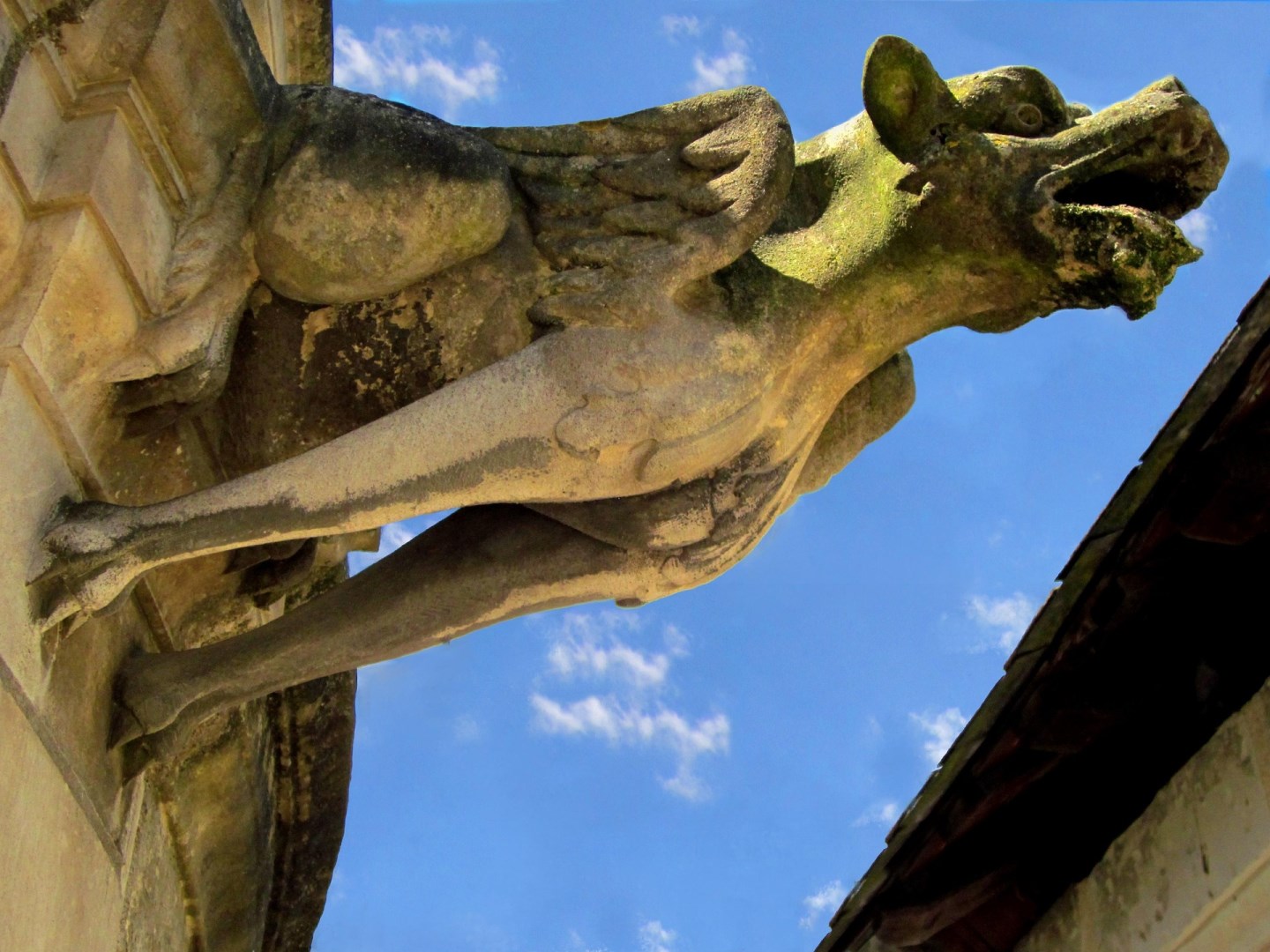
Tours
A major industrial area in the Loire Valley, it is an ancient city and was often visited in pilgrimages to pay homage to the tomb of St. Martin, a former bishop of Tours.
