

Yukon
Whitehorse is the territorial capital of this Canadian site of the 1898 gold rush. It consists mostly of rural towns, where the main industries are mining and tourism. It is a land of forests, rivers and tall mountain ranges covering a total of 207,075 sq. miles.
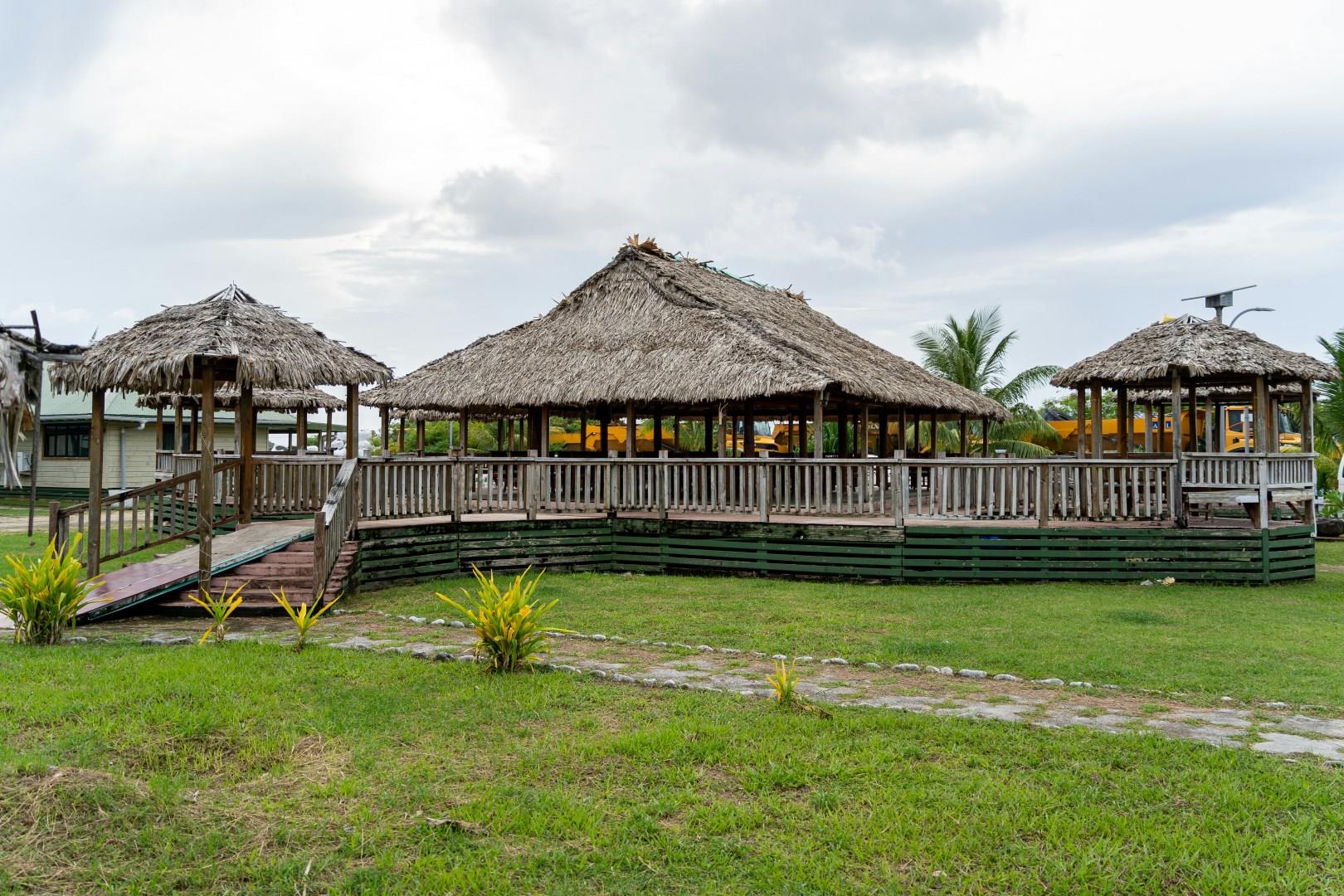
Funafuti Atoll
Funafuti Atoll, the capital of Tuvalu, is a narrow strip of land wrapped around a brilliant turquoise lagoon that stretches over 20 kilometers across. Despite being just 600 meters at its widest point, Funafuti is the heartbeat of the country, where government buildings, homes, schools, and the island’s only airport all coexist along sandy roads lined with coconut trees.

Apulia
Apulia, or Puglia, is a sun-kissed region in southeastern Italy, renowned for its diverse landscapes and rich cultural heritage. The city of Bari, Apulia’s capital, offers a captivating blend of historic charm and vibrant modern life. Explore the narrow streets of the Old Town, home to the stunning Basilica di San Nicola, which houses the relics of Saint Nicholas.
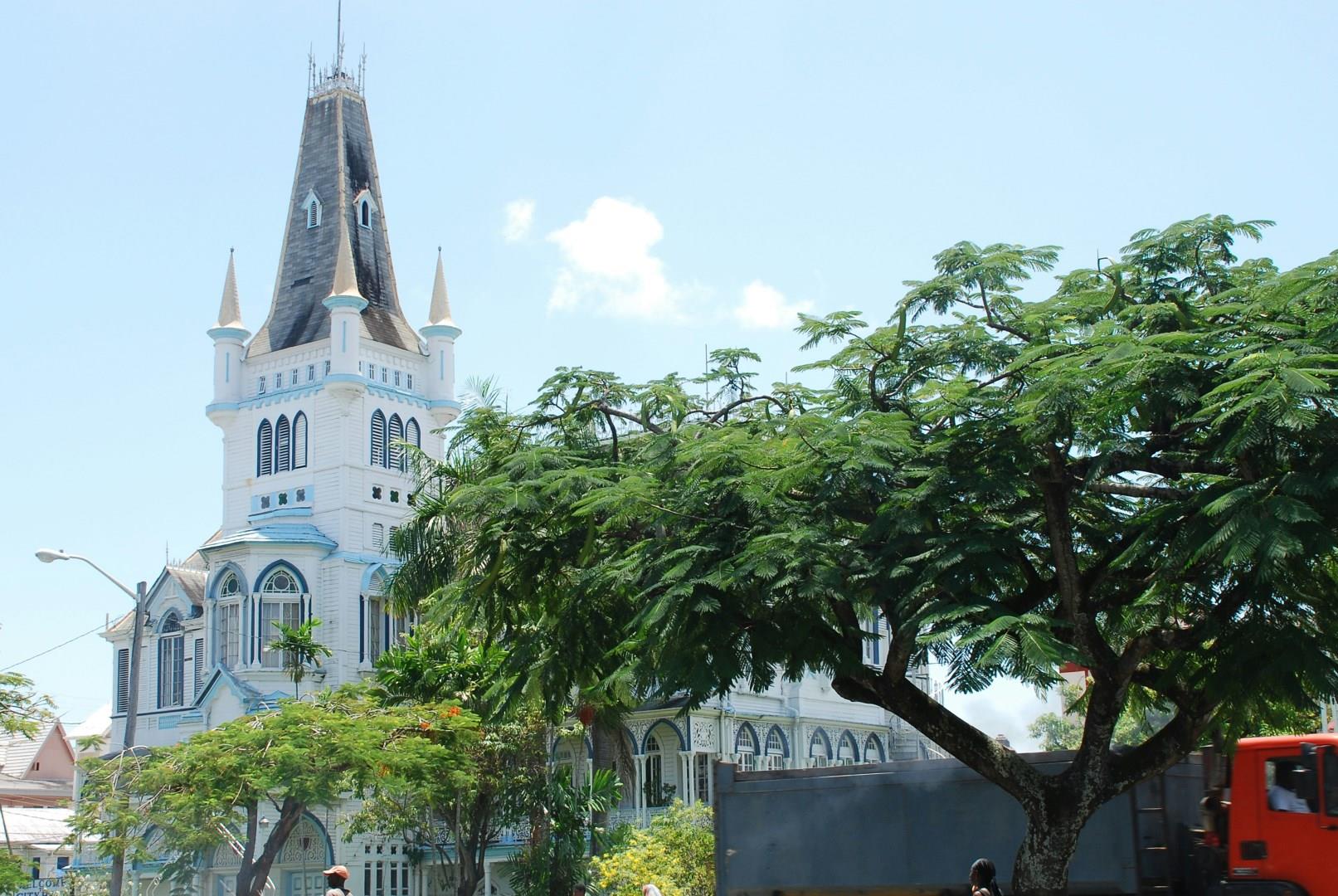
Georgetown
Georgetown, Guyana’s capital, is a city of wooden cathedrals, tree-lined canals, and street corners alive with music, food, and political discussion. Located at the mouth of the Demerara River, the streets still follow the Dutch grid system, and the city’s architectural signature, with its elegant wooden buildings with louvered shutters and fretwork, make it one of the most visually distinct capitals in South America.
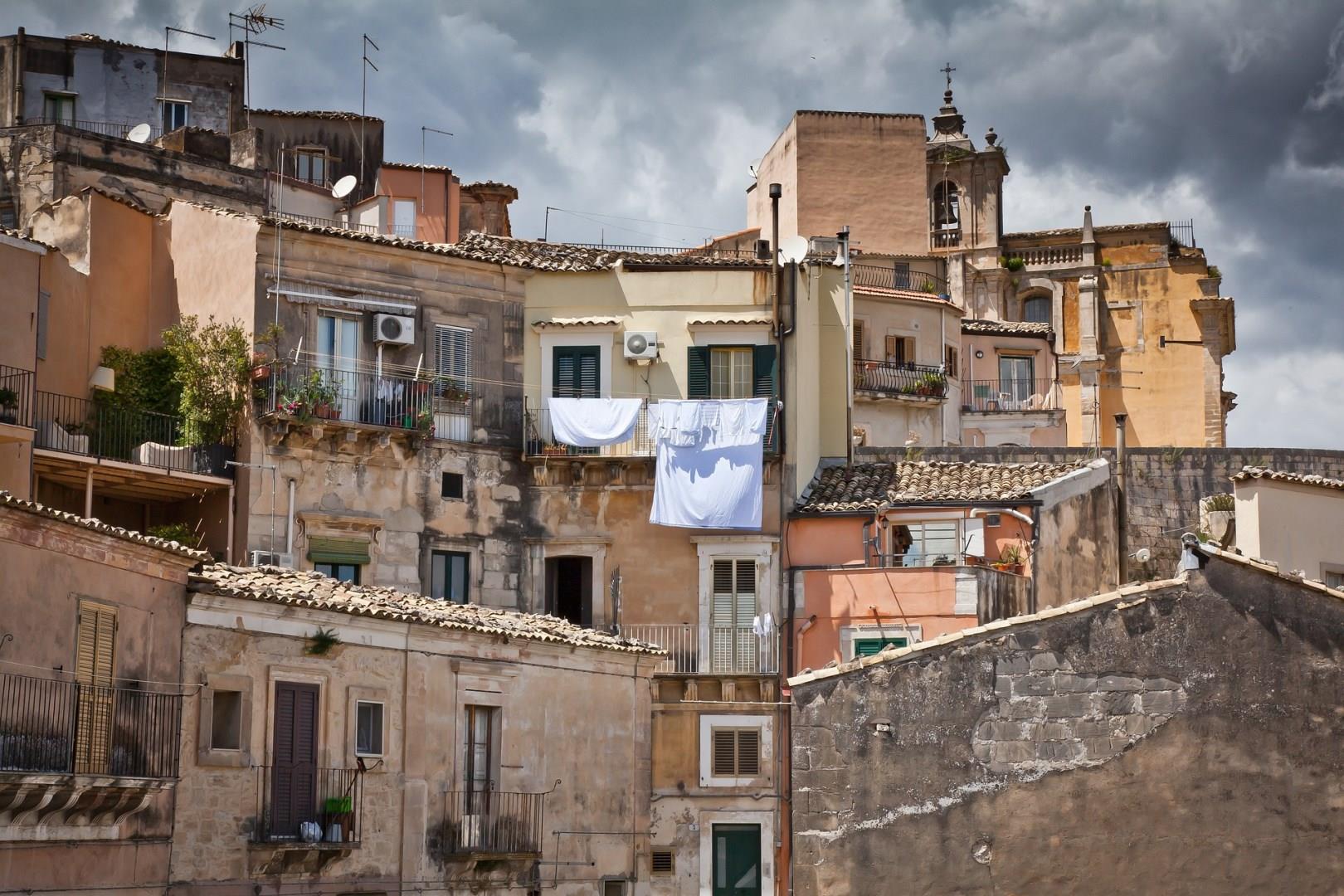
Ragusa Sicily
Ragusa, located in southeastern Sicily, is a city steeped in history and Baroque beauty, often overlooked but truly a gem for travelers seeking a unique and authentic Italian experience. Divided into two distinct parts—Ragusa Superiore and Ragusa Ibla—the city showcases a dramatic contrast between the new and old.
