
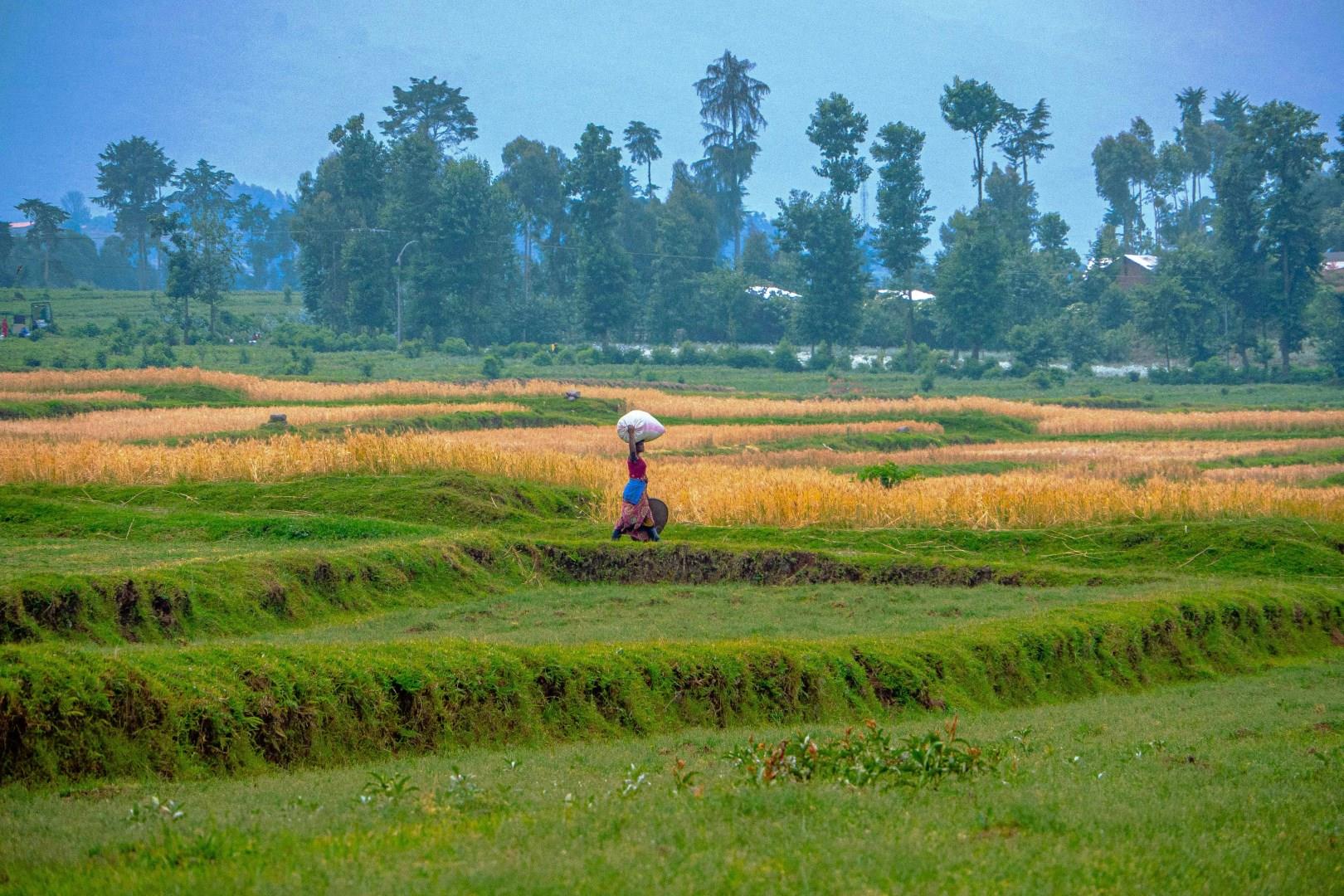
Ruhengeri
Ruhengeri, officially known as Musanze, lies in northern Rwanda at the foothills of the Virunga Mountains. The town has long served as a gateway between Rwanda and neighboring Uganda and the Democratic Republic of the Congo, giving it both strategic and cultural importance.
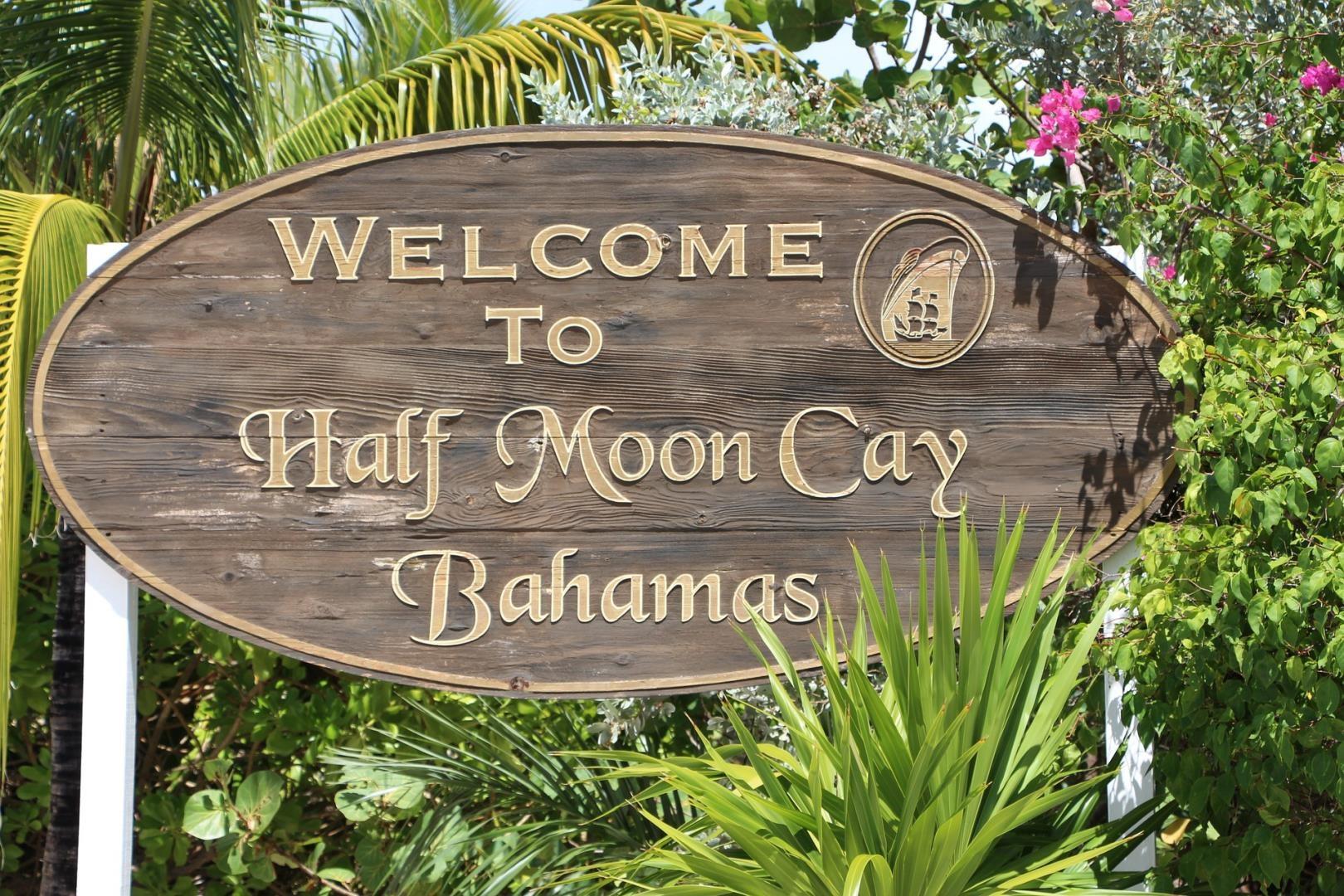
Half Moon Cay
Half Moon Cay, also known as Little San Salvador Island, is a private island in the Bahamas that offers an escape into turquoise waters and soft, powdery sands. Surrounded by shallow lagoons and vibrant coral reefs, the island is framed by a sweeping crescent-shaped beach that stretches for miles, making it a striking destination for those arriving by cruise or private yacht. Its calm waters and gentle tides create ideal conditions for swimming, snorkeling, and exploring marine life.

Caribbean Sea
The Caribbean Sea, a gem nestled between the Caribbean islands and the coastlines of Central and South America, offers a breathtaking escape into a world of azure waters and tropical allure. Encompassing over 2.5 million square kilometers, this sea is renowned for its crystal-clear waters, vibrant coral reefs, and idyllic islands.

Las Palmas
Las Palmas (officially Las Palmas de Gran Canaria) is the capital of Gran Canaria island as well as co-capital (along with Santa Cruz de Tenerife) of the Canary Islands. It is a major cruise-ship port known for duty-free shopping and sandy beaches, including Playa de Las Canteras, considered by many to be one of the best urban beaches worldwide.

Patagonia
Patagonia, Argentina, is a land of untamed beauty, where jagged peaks, expansive glaciers, and crystal-clear lakes come together to create one of the most awe-inspiring landscapes on Earth.
