

Ibiza
Ibiza, one of Spain’s Balearic Islands, is a captivating destination known for its vibrant nightlife, stunning landscapes, and rich cultural history. This island offers an intoxicating blend of sun-drenched beaches, crystal-clear waters, and an exhilarating party scene.

Pemba Island
Pemba Island, located off the coast of Tanzania in the Indian Ocean, offers an idyllic escape for travelers seeking pristine natural beauty and cultural depth. Known as the "Green Island" for its lush, tropical landscapes, Pemba is a quieter, less-visited alternative to its famous neighbor Zanzibar. The island is a haven for those interested in diving and snorkeling, as its coral reefs teem with marine life, from colorful fish to graceful sea turtles.
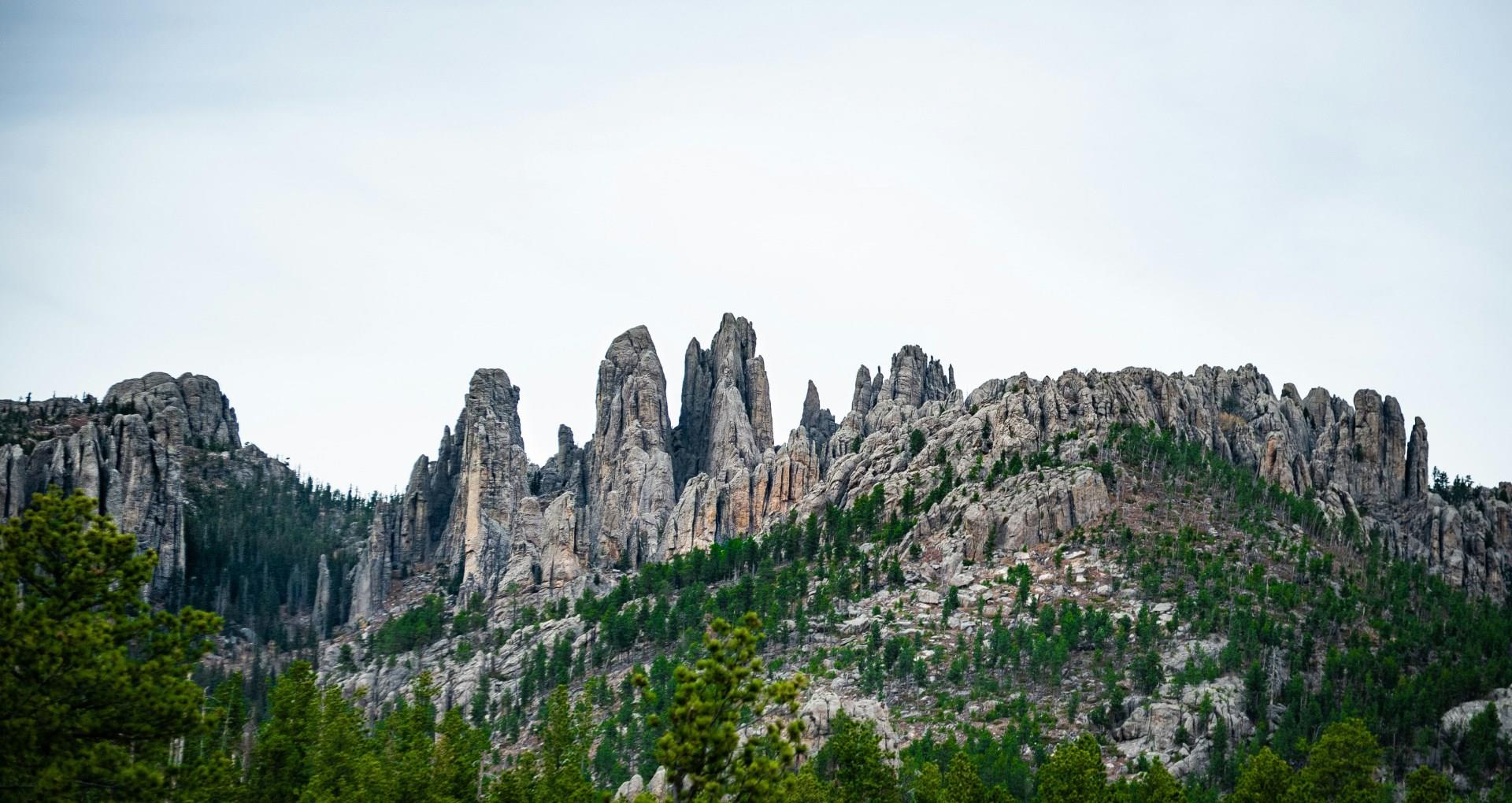
Custer State Park
Custer State Park, nestled in the Black Hills of South Dakota, offers a tapestry of natural beauty and wildlife. Known for its scenic drives and outdoor activities, the park is a haven for nature enthusiasts and adventure seekers alike. One of its most famous routes, the Needles Highway, weaves through towering granite spires and narrow tunnels, providing breathtaking vistas of the rugged terrain.

Alicante
Alicante, a captivating coastal city on Spain’s Costa Blanca, enchants visitors with its blend of rich history, Mediterranean charm, and vibrant nightlife. Dominated by the impressive Santa Bárbara Castle perched on Mount Benacantil, the city offers sweeping views of the turquoise Mediterranean Sea and the bustling streets below.

French Guiana
French Guiana, tucked between Brazil and Suriname on the northeast coast of South America, offers an unexpected blend of Amazonian wilderness, colonial intrigue, and French flair. As an overseas department of France, it uses the euro, speaks French, and has croissants alongside cassava bread at breakfast. Yet just beyond the cafés of Cayenne, vast rainforest stretches for hundreds of kilometers, home to rare wildlife, remote rivers, and Indigenous communities.
