
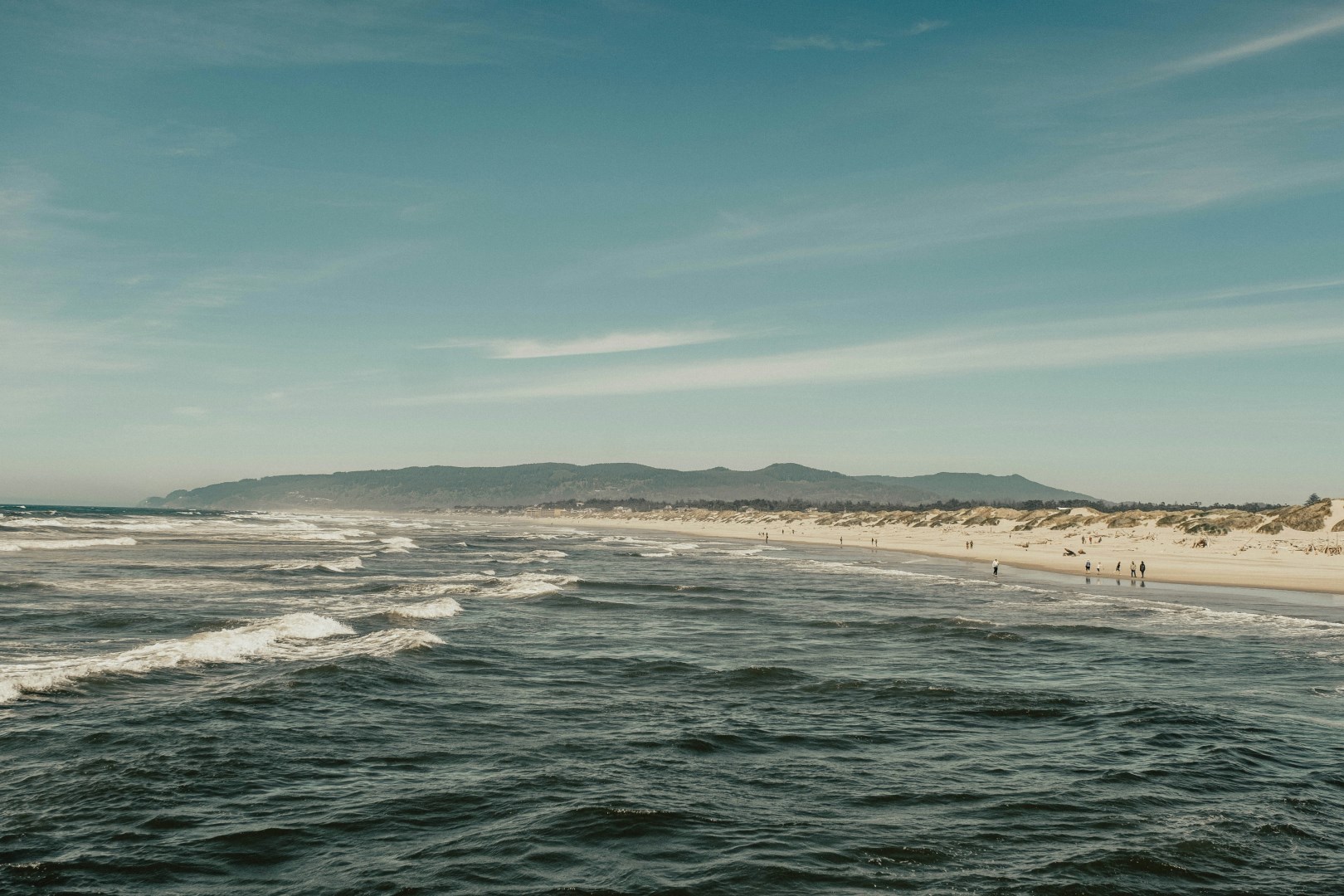
Florence
Florence is a coastal city in Oregon located where the Siuslaw River meets the Pacific Ocean. It is known for its dramatic coastal scenery, extensive sand dunes, and working waterfront.

Peru
Peru is a country that tells its story through stone, soil, and flavor. From the ancient Inca citadel of Machu Picchu to the bustling food markets of Lima, every region reveals a different chapter of its heritage. One of the country’s most iconic sites, Machu Picchu, continues to draw visitors from around the world to see its stone terraces and cloud-kissed scenery, as well as the sense of wonder that accompanies the journey there.
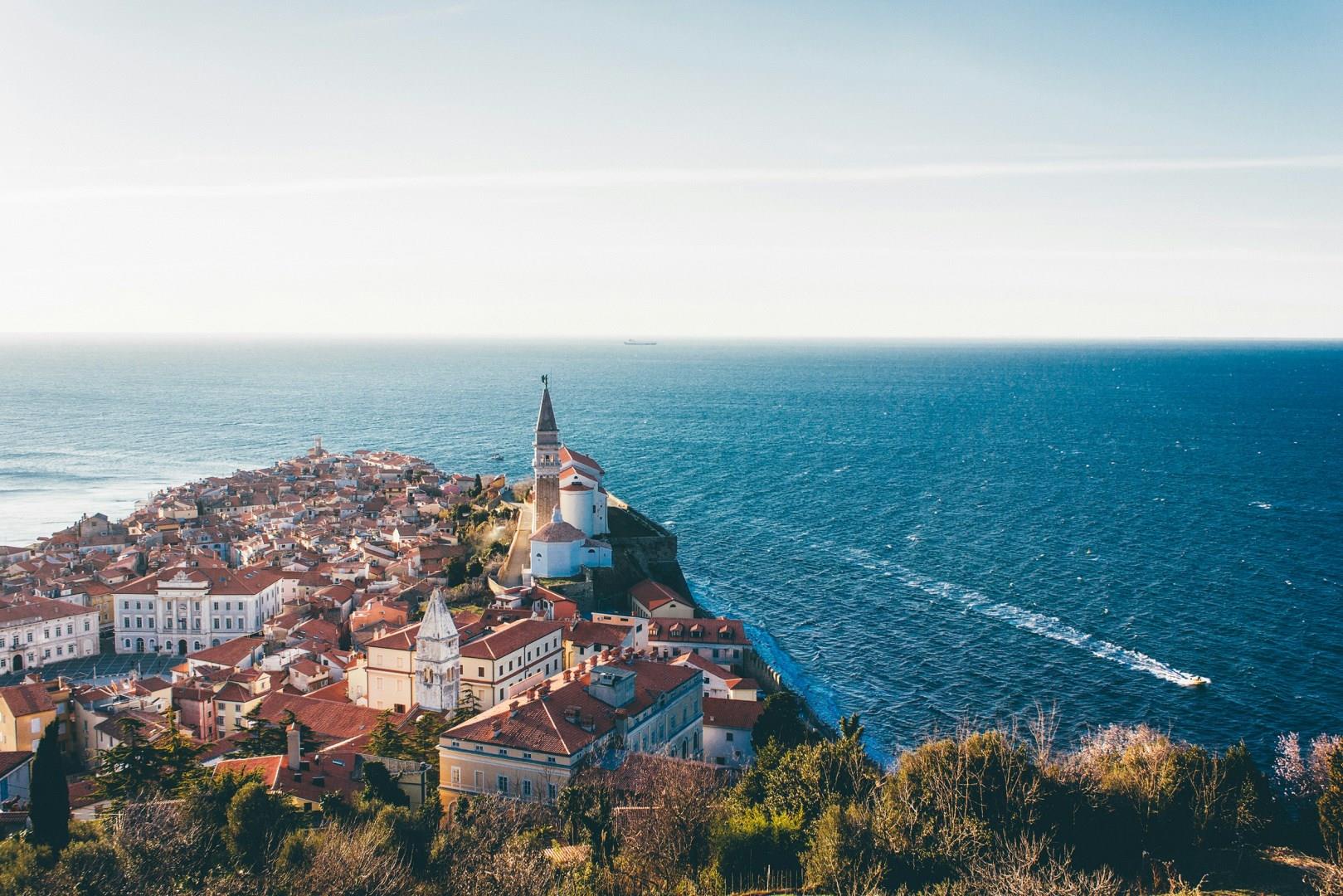
Piran
Piran, nestled along Slovenia's picturesque Adriatic coast, is a charming city that embodies a blend of medieval allure and seaside beauty. With its narrow, winding streets and well-preserved Venetian architecture, Piran offers a delightful glimpse into its rich history. A walk through Piran’s old town reveals its Venetian heritage, with charming piazzas, narrow alleys, and picturesque waterfronts.
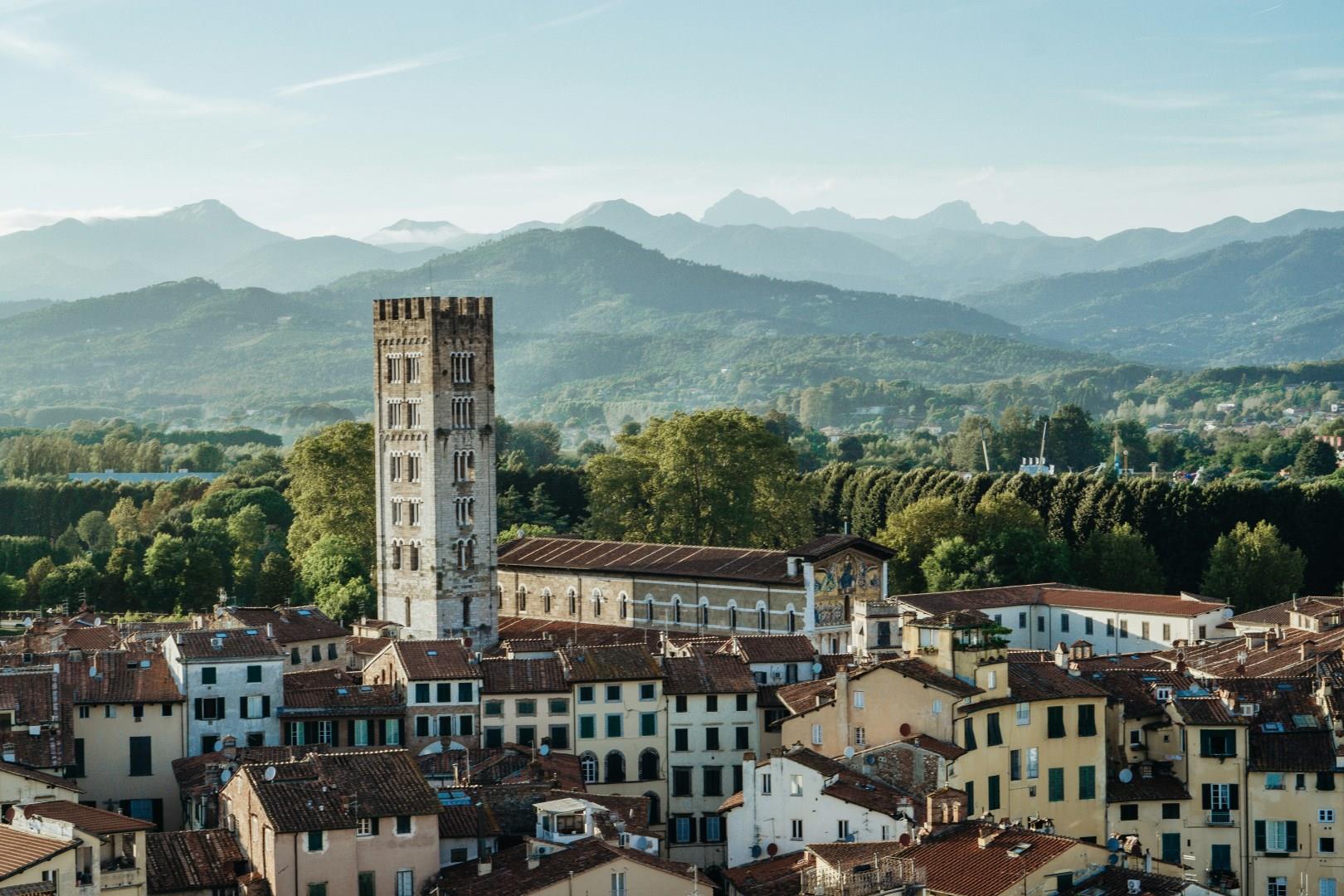
Lucca
Lucca, a Tuscan city surrounded by remarkably intact Renaissance walls, offers more than just postcard views. Known for its quiet streets and grand piazzas, Lucca stands apart with its circular street layout, still following the lines of a Roman amphitheater from centuries ago. The walls, now repurposed as a 4-kilometer tree-lined park, are a favorite route for locals and visitors who explore them on foot or by bike, passing old bastions and panoramic viewpoints along the way.

Limassol
Cut length wise by the Turkish/Greek border, the island of Cyprus leads two lives. The Turkish side is traditional and Islamic, while the Greek side is a very modern vacation destination.
