

Innsbruck
Located in western Austria, Innsbruck is a charming European destination on the banks of the Inn River. A popular stop for skiing, Innsbruck is nestled within the Alps and offers a variety of cable cars to whisk you to the mountains for outdoor sports and spectacular views of the Innsbruck below.
Montserrat
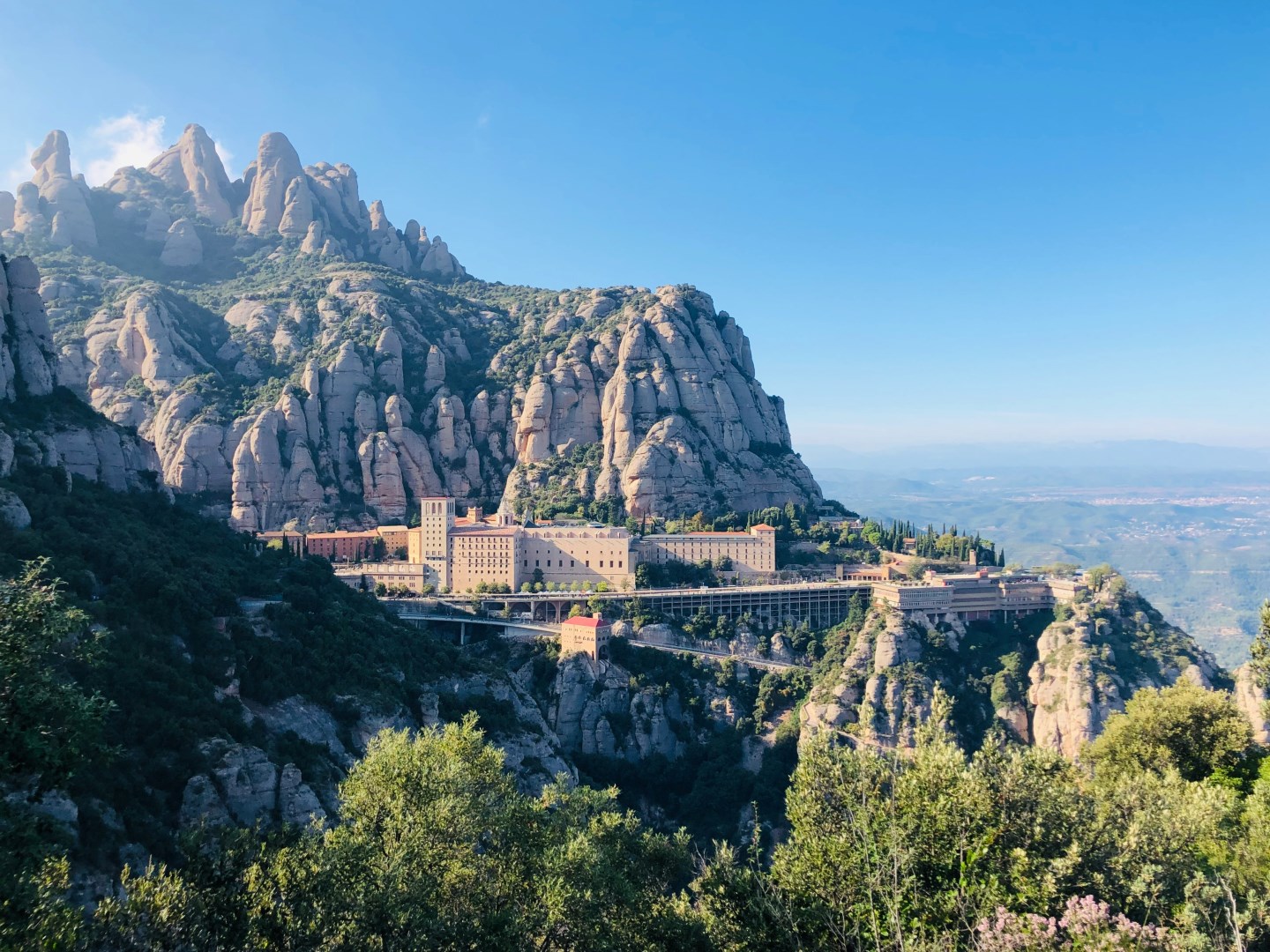
Montserrat Mountain rises sharply from the plains of Catalonia, its jagged rock shapes visible from far away. The mountain is known for its unusual rounded peaks and narrow ridges, formed into striking forms that look almost carved by hand. Trails and cable cars lead visitors upward from nearby villages such as Monistrol de Montserrat, where the climb quickly reveals wide views across the region, stretching toward Barcelona on clear days.
Byron Bay
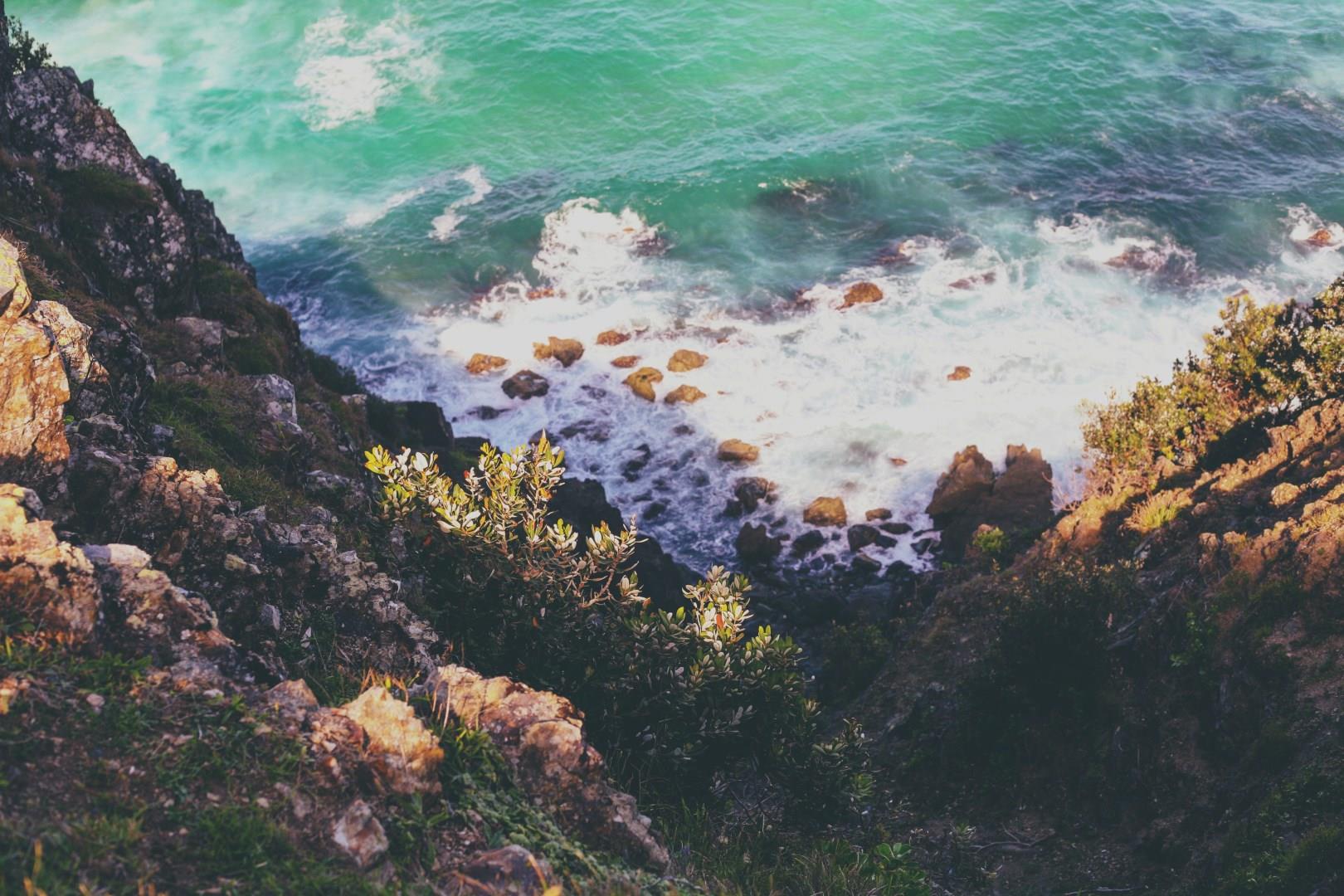
Byron Bay lies on the far north coast of New South Wales, Australia, where wide beaches meet the deep blue Pacific and the point of land known as Cape Byron marks the easternmost tip of the mainland. Standing tall above the coastline, the Cape Byron Lighthouse has guided ships since 1901 and now greets walkers and sightseers who take the scenic cliff-top path for views stretching toward whales during their migration season.
Meknes
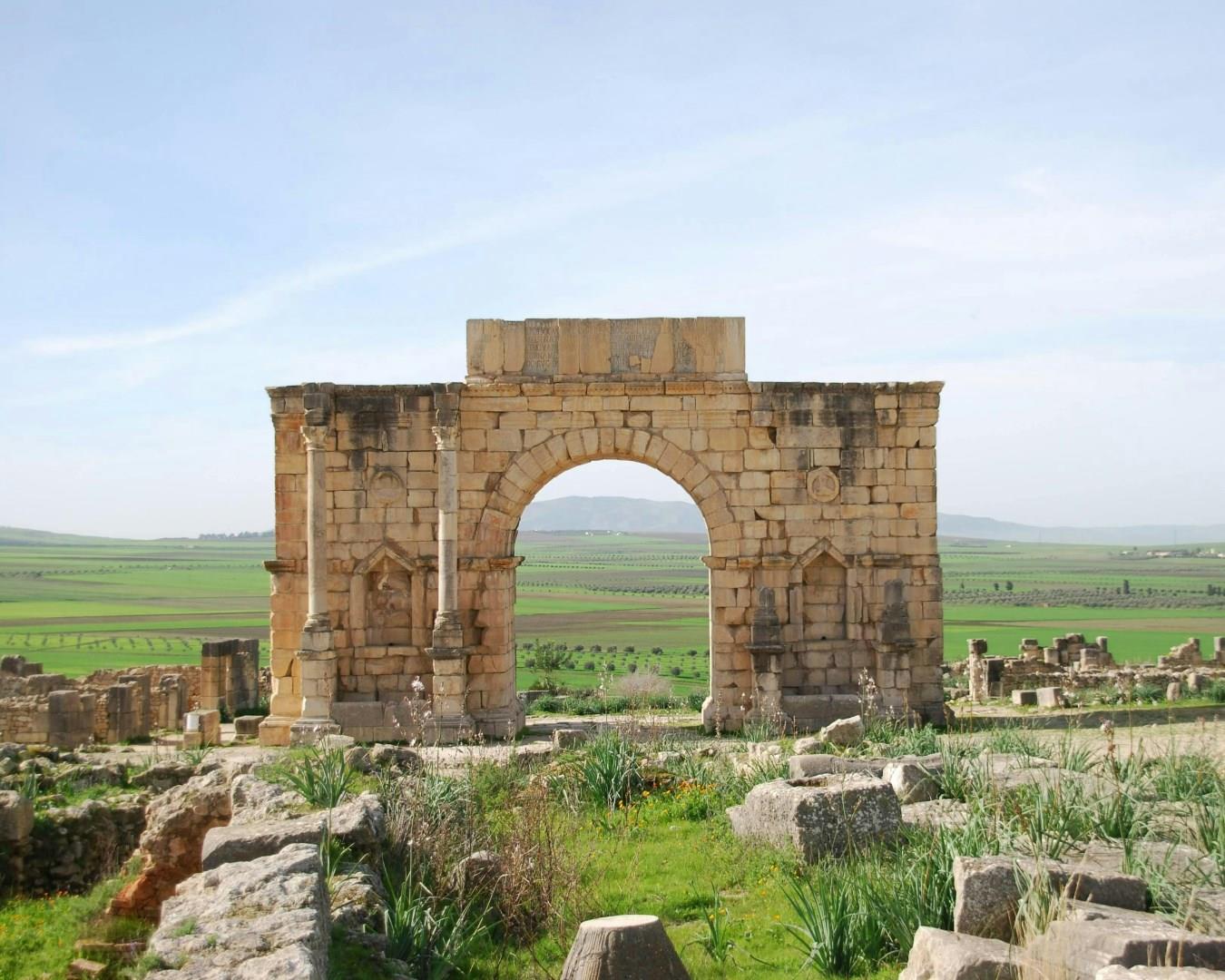
Meknes, one of Morocco’s four imperial cities, is a historic jewel known for its blend of grandeur and tradition. Once the capital under Sultan Moulay Ismail in the 17th century, the city was envisioned as the “Versailles of Morocco,” filled with monumental gates, sprawling walls, and lavish palaces.
Ponte de Lima
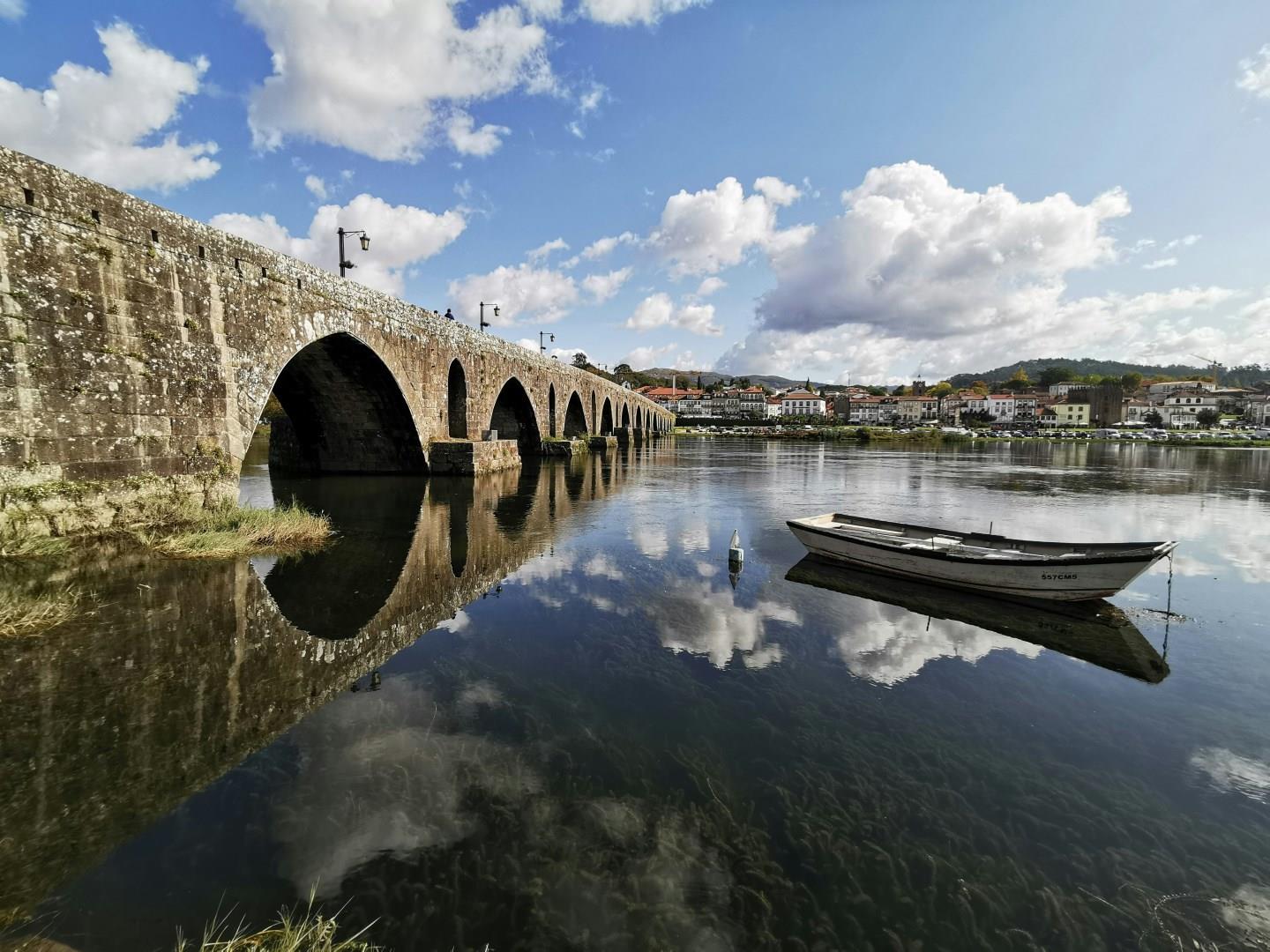
Ponte de Lima sits along the Lima River in northern Portugal and is often regarded as the country’s oldest town. Its identity centers on the medieval bridge that spans the river, parts of which date back to Roman times and still structure how the town is experienced today.
