
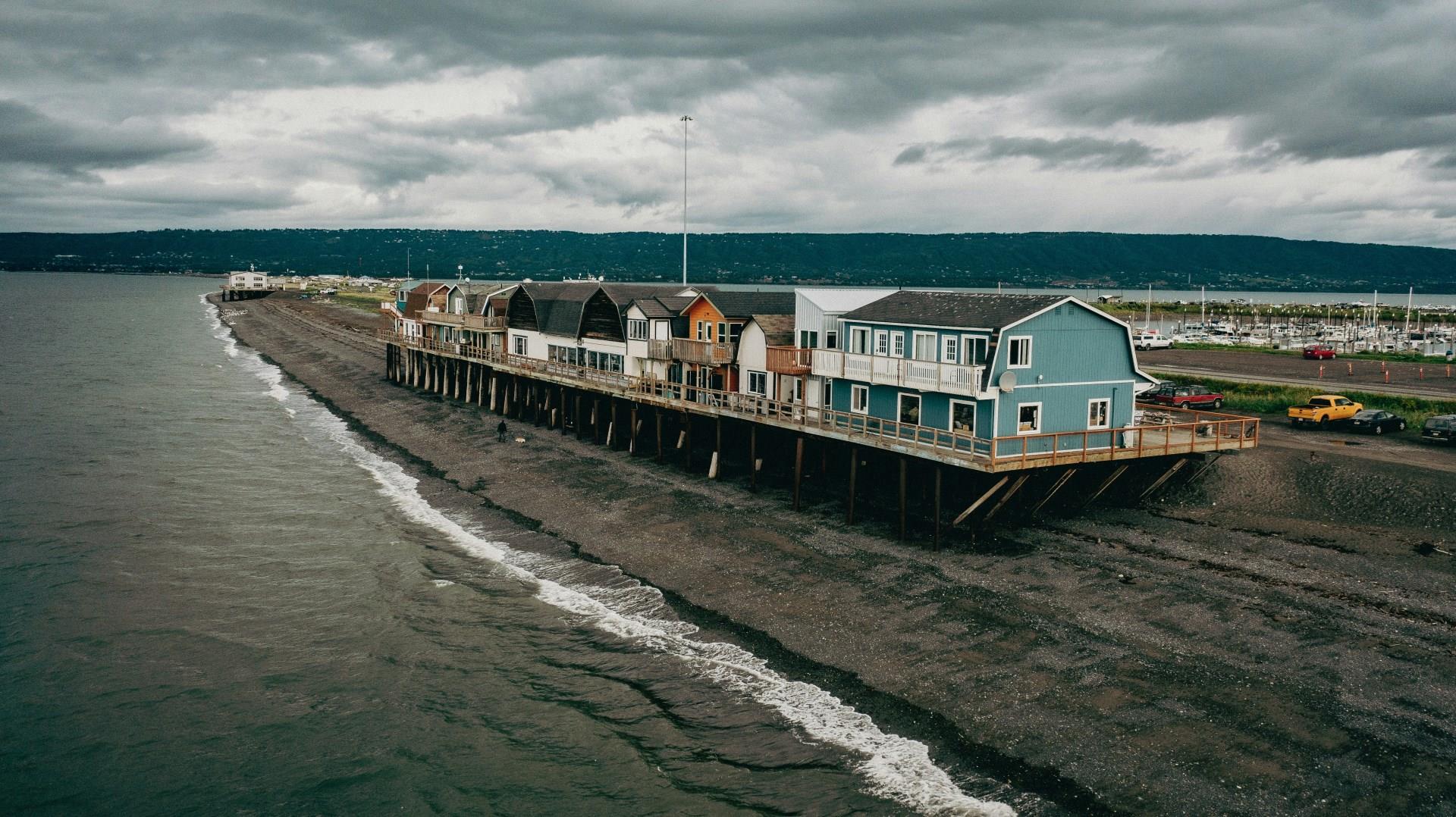
Homer
Homer, Alaska, sits at the end of the Kenai Peninsula and is often called the “end of the road,” where dramatic landscapes meet a vibrant small-town spirit. Overlooking Kachemak Bay, the town is framed by snowcapped mountains, glaciers, and a striking spit of land that juts four miles into the sea.
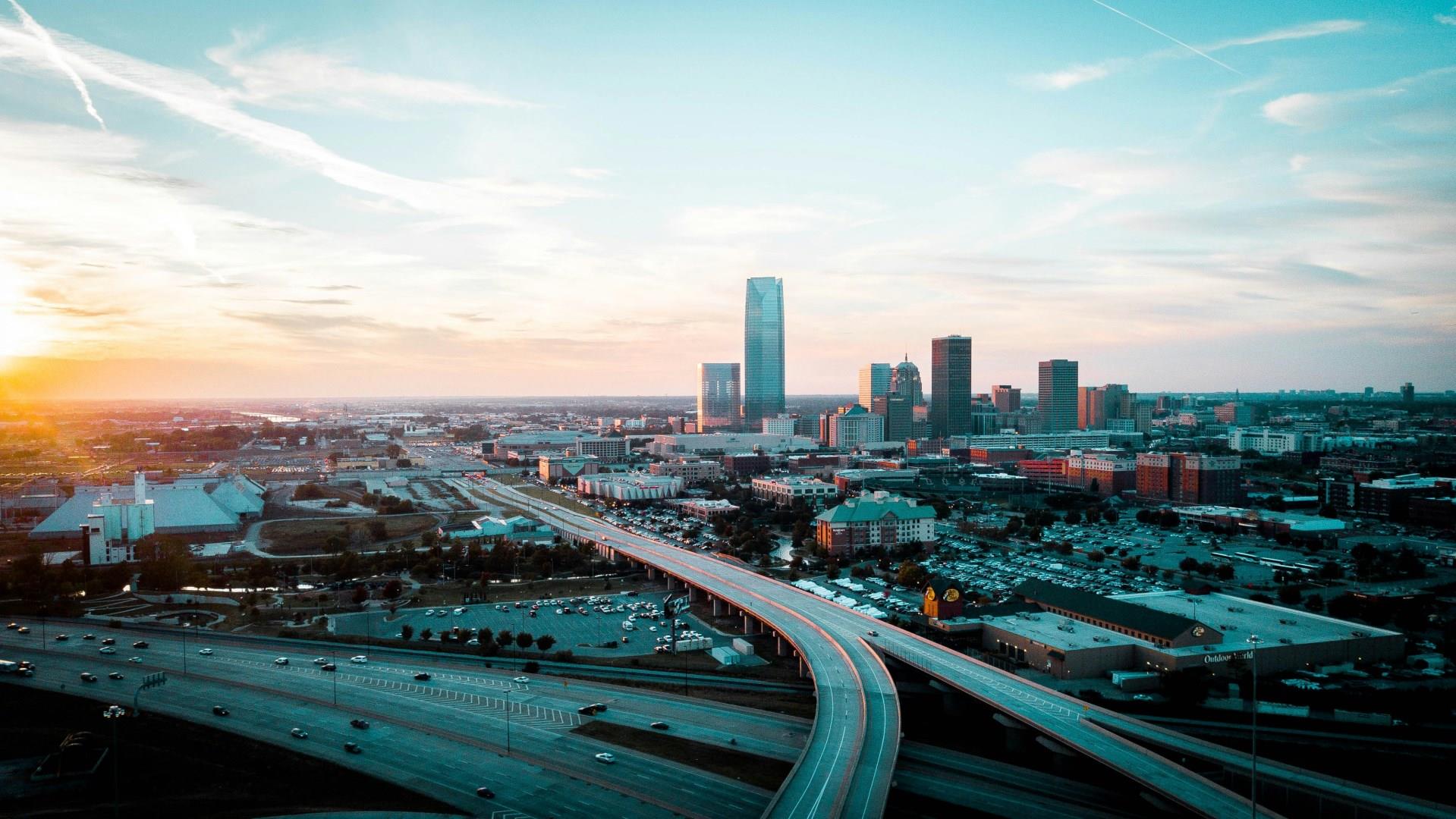
Oklahoma City
Oklahoma City stands at the crossroads of Western tradition and modern energy. It’s a place where cowboy boots walk into sleek coffee shops, and horse shows take place just a few miles from contemporary art galleries. A good starting point is the National Cowboy & Western Heritage Museum, home to one of the largest collections of Western art and artifacts in the world.
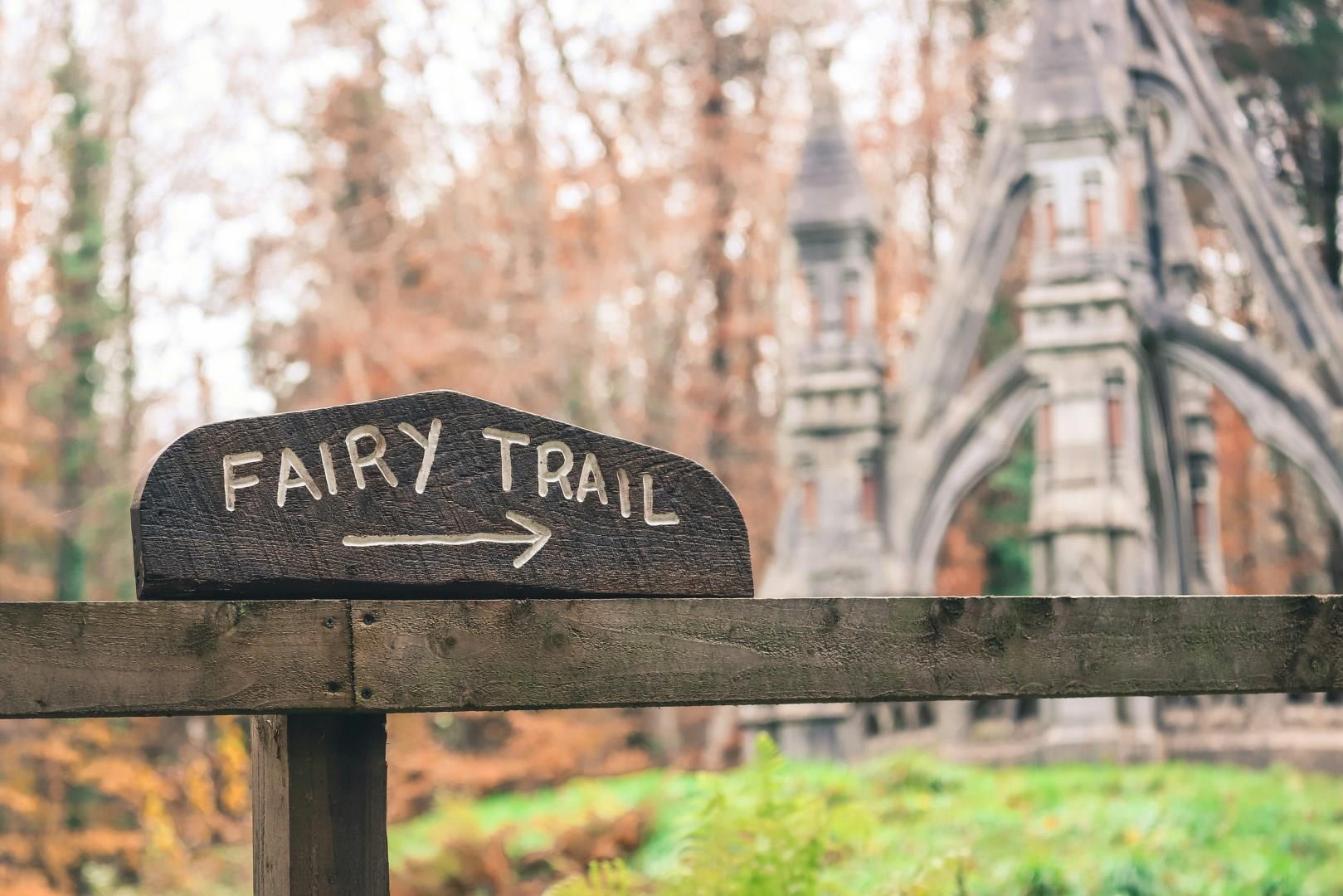
Belleek
Belleek is a small village in County Fermanagh, Northern Ireland, set where the River Erne widens toward the Atlantic.

San Cristóbal Island
One of San Cristobal Island's most popular visitor sites is Cerro Brujo, with its expansive white sand beach and a lagoon that locals once used as a salt mine but now offers excellent snorkeling opportunities. Another must-see is Kicker Rock, a fascinating rock formation that looks like a boot from one angle (hence its English name) and like a sleeping lion from another (thus its Spanish name, Roca León Dormido).

Whittier
Whittier is the perfect place to explore Alaska's natural beauty, providing access to nearby Emerald Cove Trail and Portage Pass Trail as well as Chugach State Park further northwest.
