

St. Vincent & the Grenadines
St. Vincent & the Grenadines is a Caribbean nation that feels both adventurous and serene, a chain of lush islands and tiny cays scattered across turquoise waters. The main island of St. Vincent is dominated by volcanic landscapes, including the active La Soufrière volcano, whose slopes are covered in rainforest and dotted with waterfalls.

Jaisalmer
Jaisalmer, known as the "Golden City" of India, rises from the sands of the Thar Desert with a breathtaking display of medieval architecture and vibrant culture. Dominated by its imposing fort, the Jaisalmer Fort, a UNESCO World Heritage Site, this city is a striking example of Rajput architecture.
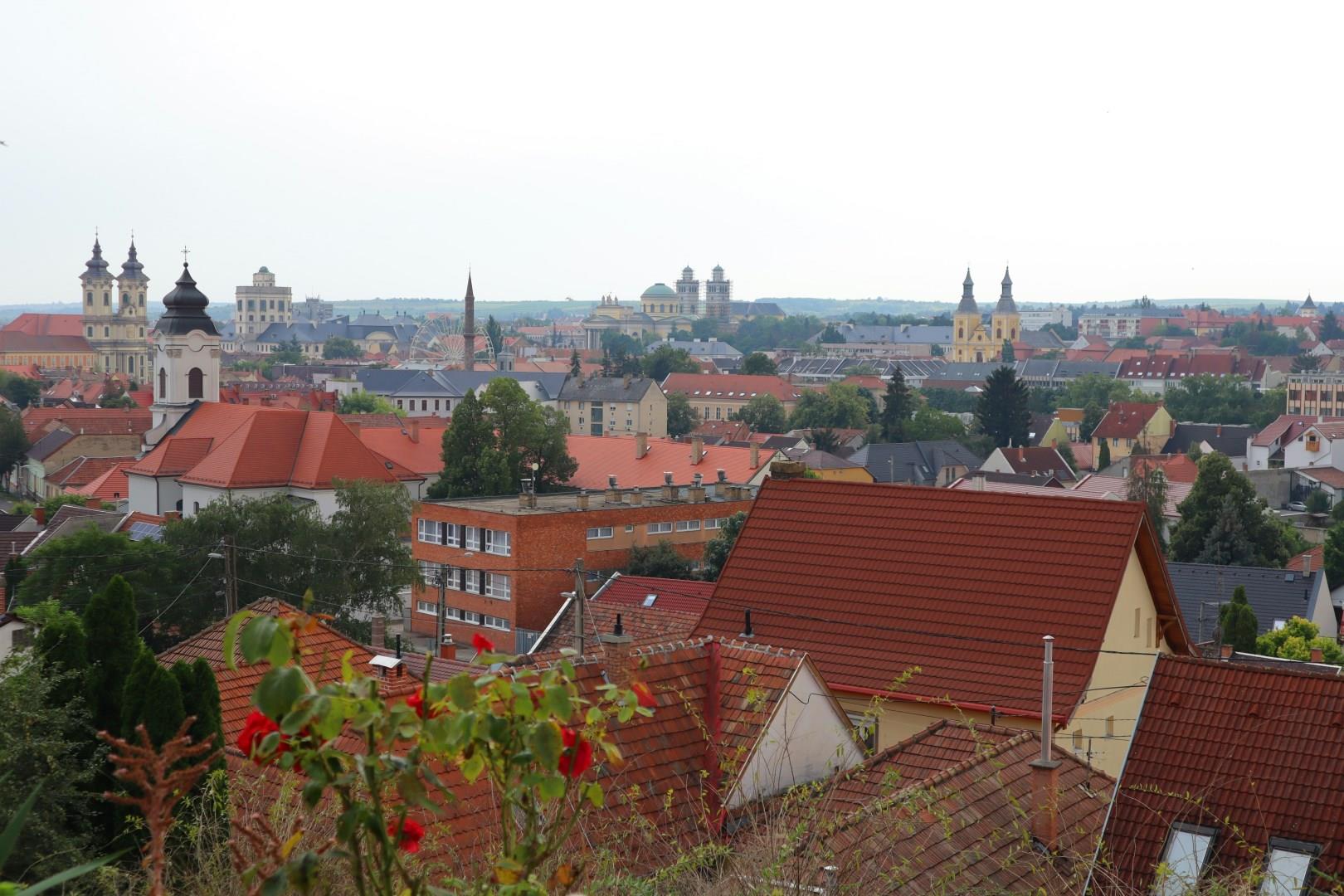
Eger
Eger sits in northern Hungary and is known for its well preserved Baroque center, historic castle and long tradition of wine and craft that draw visitors from across Europe. Just beyond the historic center, generations of winemakers have perfected local styles and offer tastings of local varieties. A casual afternoon here can feel like a gentle cellar crawl, with seasonal music or simple snacks adding to relaxed tastings under vine covered walkways.

Malé
Located southwest of India and Sri Lanka, this small yet dense island capital is the cultural center of the Maldives.

Santiago
Flanked by the Chilean Coast Range and the snowy Andes, Chile's largest metropolis offers a dazzling array of sights and attractions for visitors to pursue. Mirrored skyscrapers, 16th-century churches, hip cafes, dance clubs... and did we mention the delicious Chilean cuisine?
