
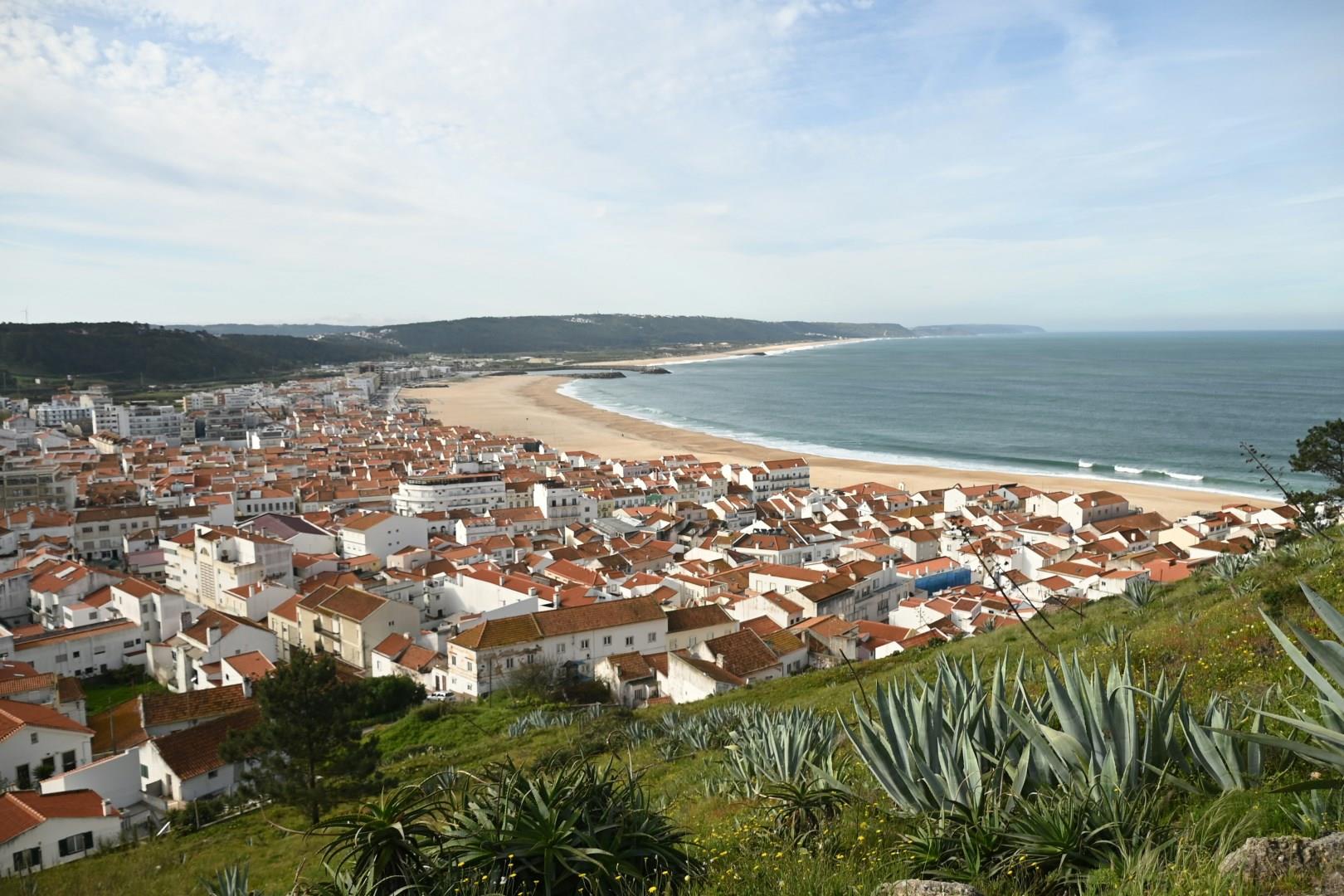
Nazare
Nazaré, set along Portugal’s wild Atlantic coast, is a fishing town transformed into one of the world’s most dramatic surf destinations. Its identity is deeply tied to the sea, both in its centuries-old maritime traditions and in the awe-inspiring waves that now draw visitors from around the globe.

Isle of Man
The Isle of Man, nestled in the Irish Sea between Great Britain and Ireland, offers visitors a blend of rich history and distinctive culture. Known for its ancient Celtic and Viking roots, the island’s heritage can be explored through sites like Peel Castle, built on a rocky island in the harbor of Peel, and the ancient Manx museums scattered throughout.

France
France offers far more than its capital city. While Paris draws millions each year, the country’s true richness lies in its variety, from Alpine villages to Atlantic coastlines, medieval towns to Mediterranean markets. In Normandy, visitors can walk along the D-Day beaches or explore the towering abbey of Mont-Saint-Michel, which becomes an island at high tide. Further inland, the Loire Valley is dotted with over 300 castles, many of which are open for tours and even overnight stays.
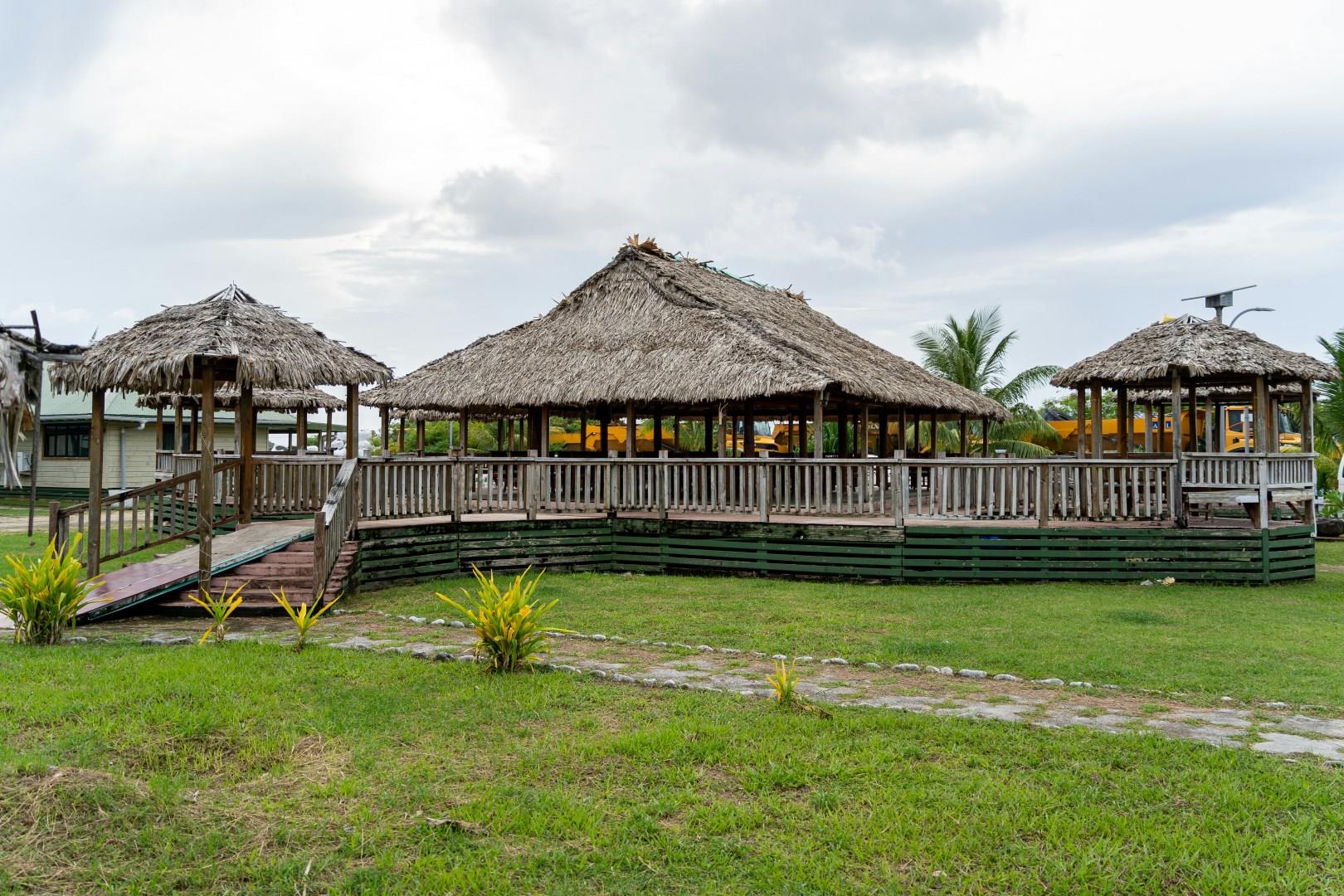
Funafuti Atoll
Funafuti Atoll, the capital of Tuvalu, is a narrow strip of land wrapped around a brilliant turquoise lagoon that stretches over 20 kilometers across. Despite being just 600 meters at its widest point, Funafuti is the heartbeat of the country, where government buildings, homes, schools, and the island’s only airport all coexist along sandy roads lined with coconut trees.

Sequoia National Park
Sequoia National Park, located in California’s Sierra Nevada mountains, is a natural wonderland famous for its giant sequoia trees, including the world-renowned General Sherman Tree. Standing at an astonishing 275 feet tall, the General Sherman is the largest tree on Earth by volume and a must-see for visitors.
