

Toronto
The capital of Ontario and Canada's largest city, Toronto is a vibrant destination on the banks of Lake Ontario. Highlights of this striking cultural capital include the looming CN Tower (featuring a revolving restaurant), Casa Loma, Toronto Island Park, Royal Ontario Museum, and Ripley's Aquarium of Canada.
Tunisia
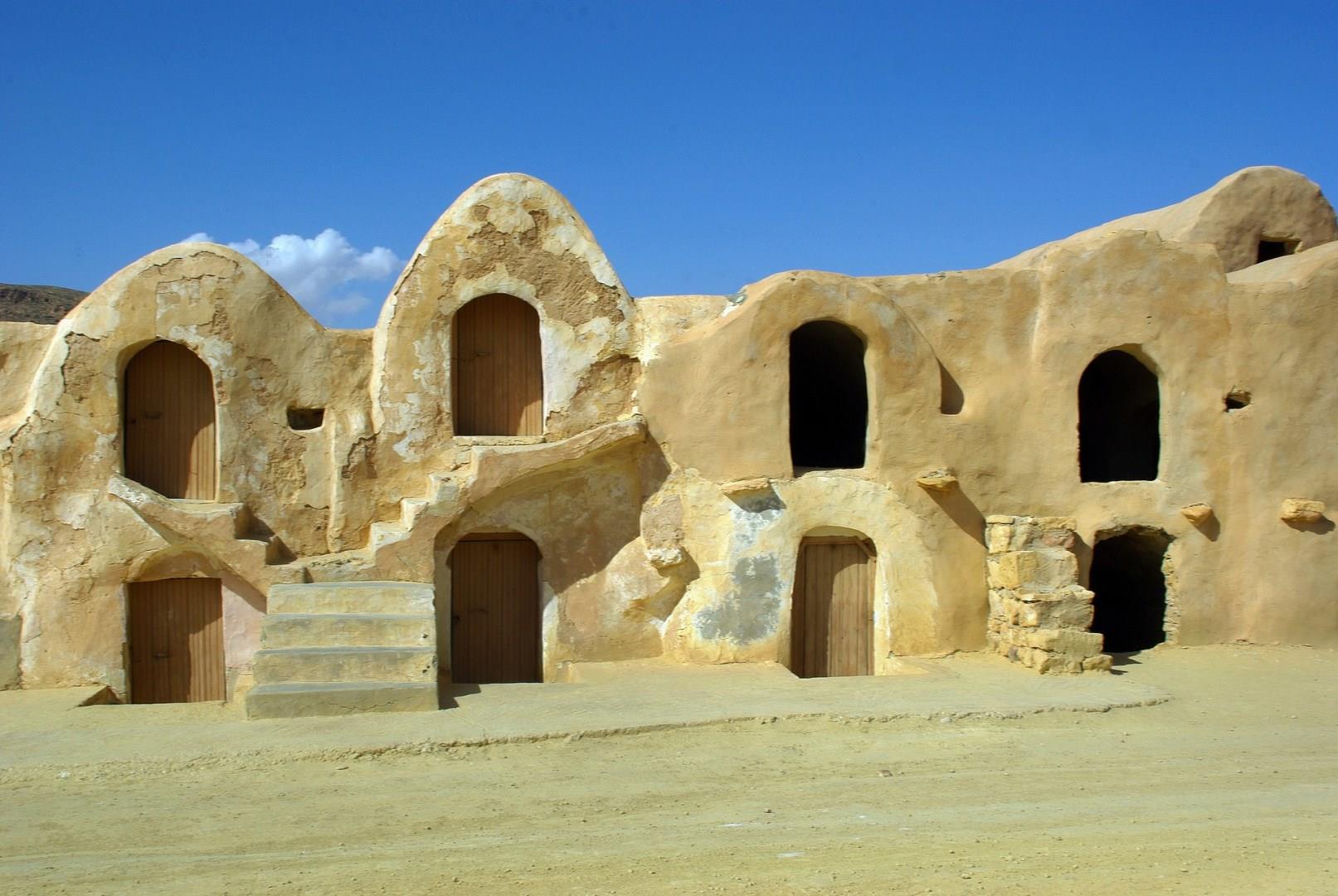
Tunisia, located in North Africa along the Mediterranean coast, offers a mix of desert landscapes, historic cities, and coastal charm. Its Mediterranean beaches, desert oases, and bustling markets provide a variety of experiences for travelers interested in history, culture, and nature.
Brindisi
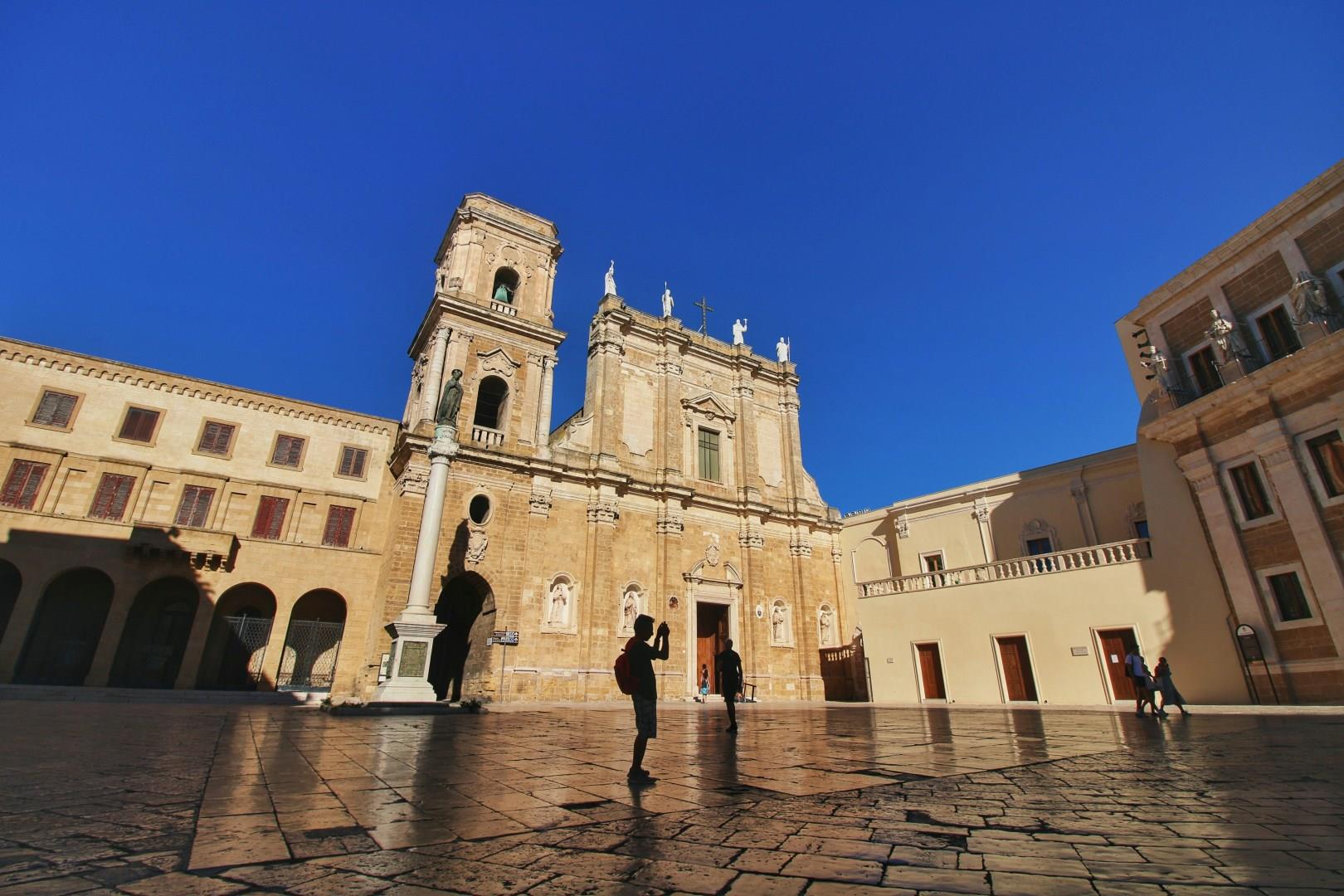
Italy’s port city of Brindisi, tucked along the Adriatic coast in the Puglia region, has been a gateway to the East for over two thousand years. Once the Roman Empire’s main departure point for the Via Appia, the road to Greece and beyond, Brindisi still bears traces of its ancient past, from Roman columns to remnants of old harbors that once welcomed traders, pilgrims, and soldiers.
Georgetown
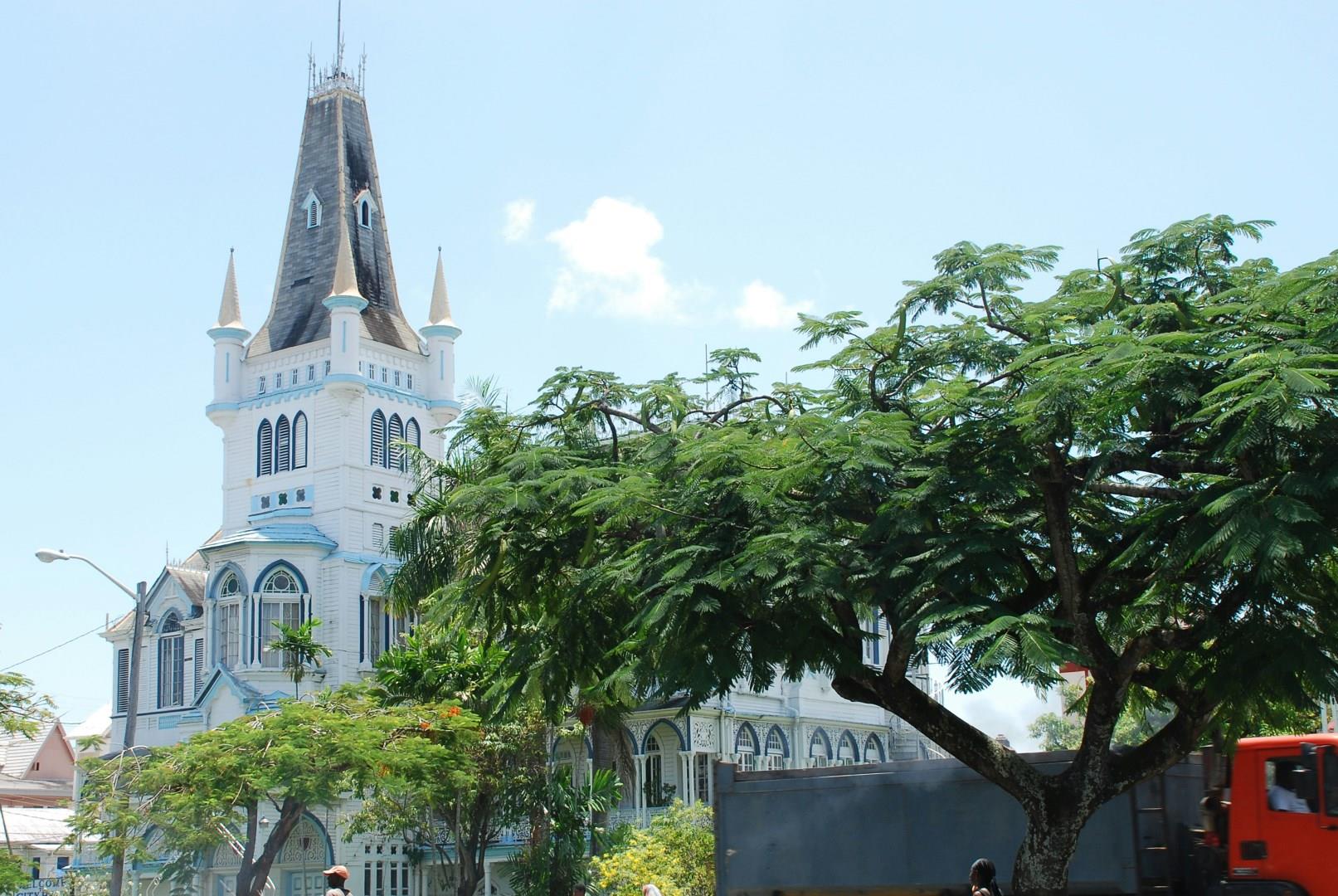
Georgetown, Guyana’s capital, is a city of wooden cathedrals, tree-lined canals, and street corners alive with music, food, and political discussion. Located at the mouth of the Demerara River, the streets still follow the Dutch grid system, and the city’s architectural signature, with its elegant wooden buildings with louvered shutters and fretwork, make it one of the most visually distinct capitals in South America.

Uluru
Located in Australia's Northern Territory, Uluru is an iconic sandstone formation and UNESCO World Heritage site. This red rock monolith, believed to be over 500 million years old, has been considered sacred by Australia's indigenous peoples for thousands of years and is one of the country's most well-known natural landmarks. This spiritual destination will astound you at sunrise and sunset, when the warm sunlight turns Uluru to deep hues of red and orange.
