
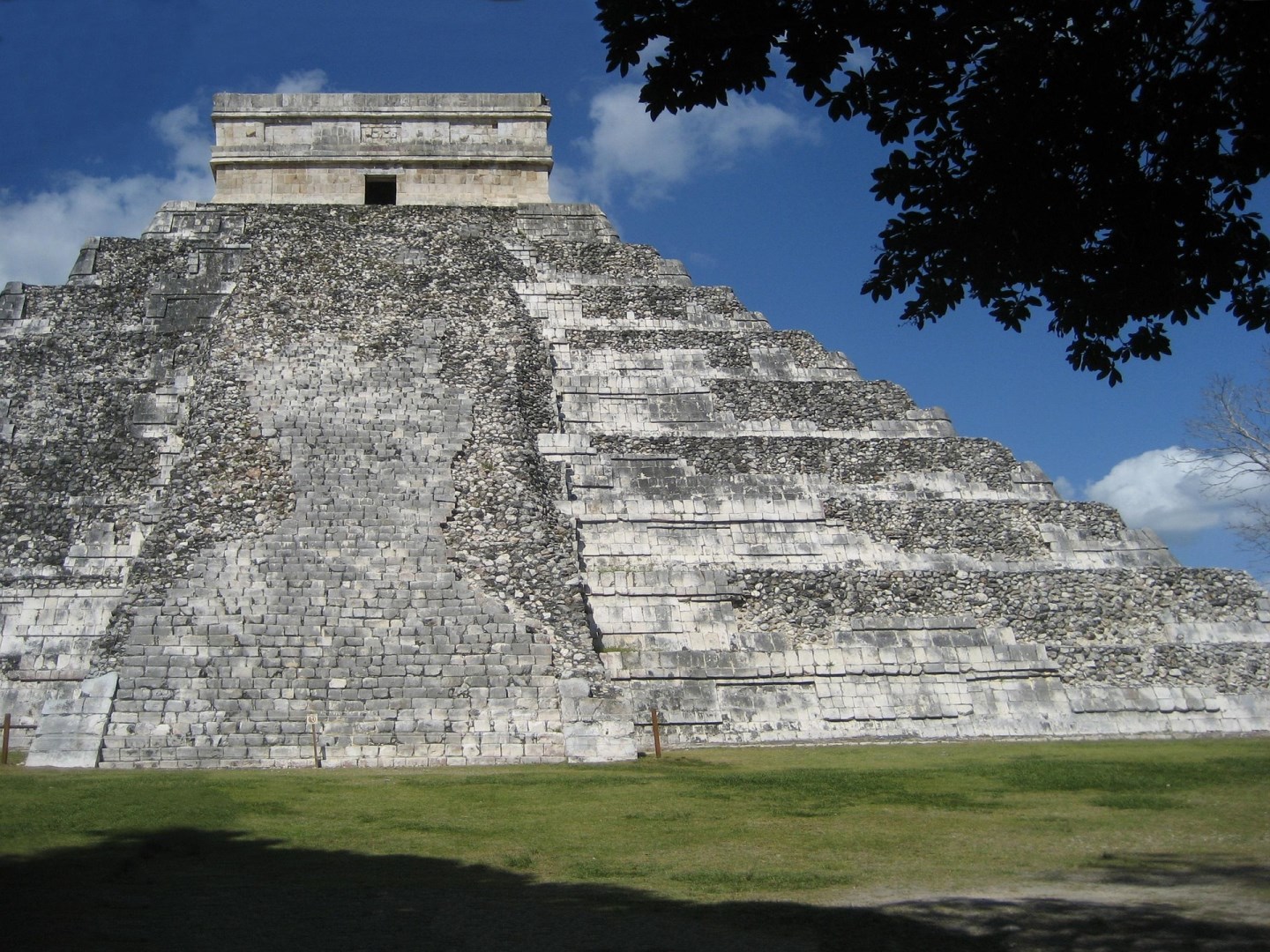
Chichén Itzá
Located on the Yucatan Peninsula of Mexico, Chichen Itza is the site a well preserved Mayan ruins, including several large pyramid structures and more.
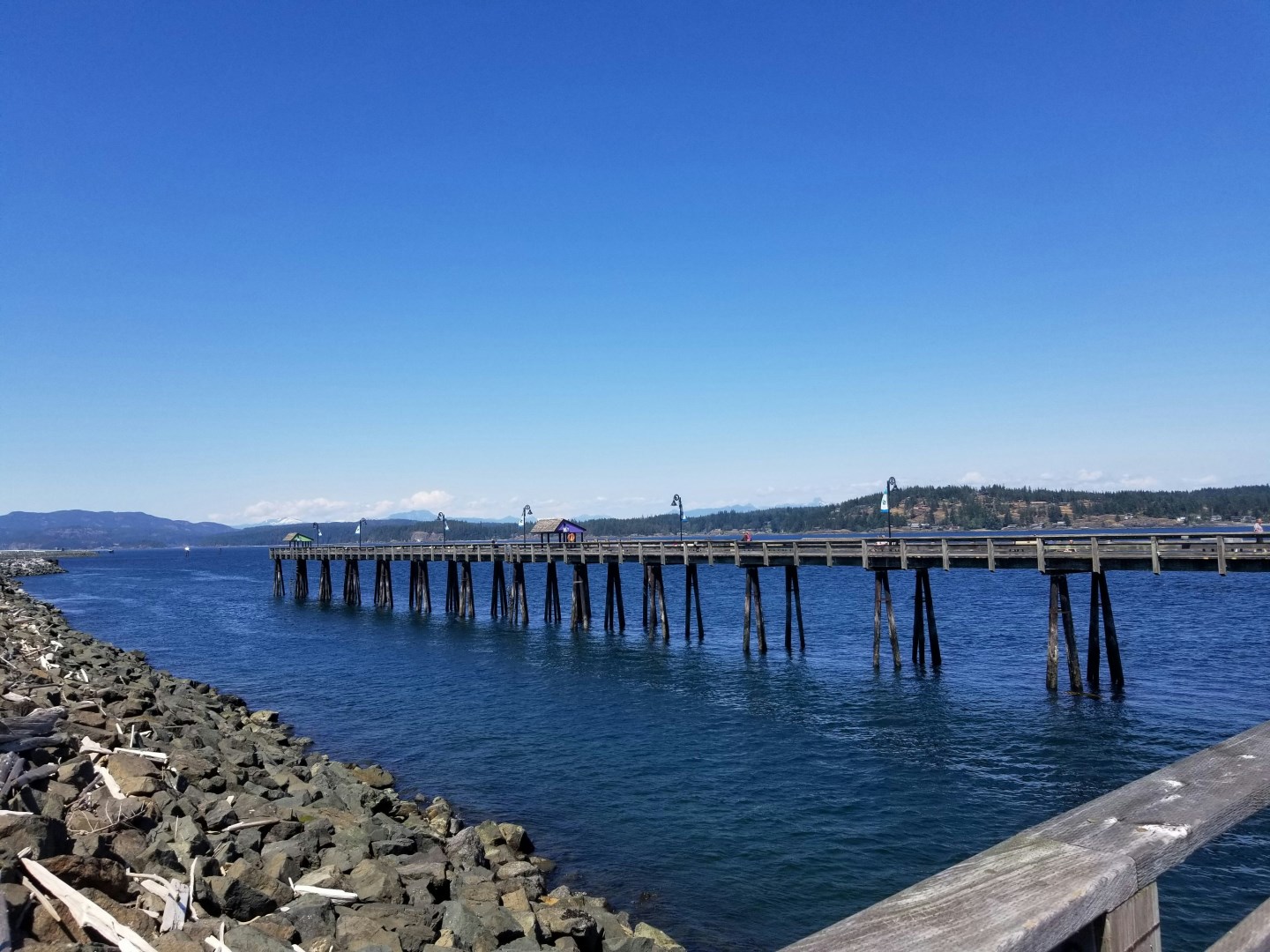
Campbell River
Campbell River is a coastal city on the eastern side of Vancouver Island in British Columbia, positioned where the Strait of Georgia meets the Discovery Passage.

Qaqortoq
The largest town in South Greenland, Qaqortoq is known for its colorful houses and vibrant art scene.
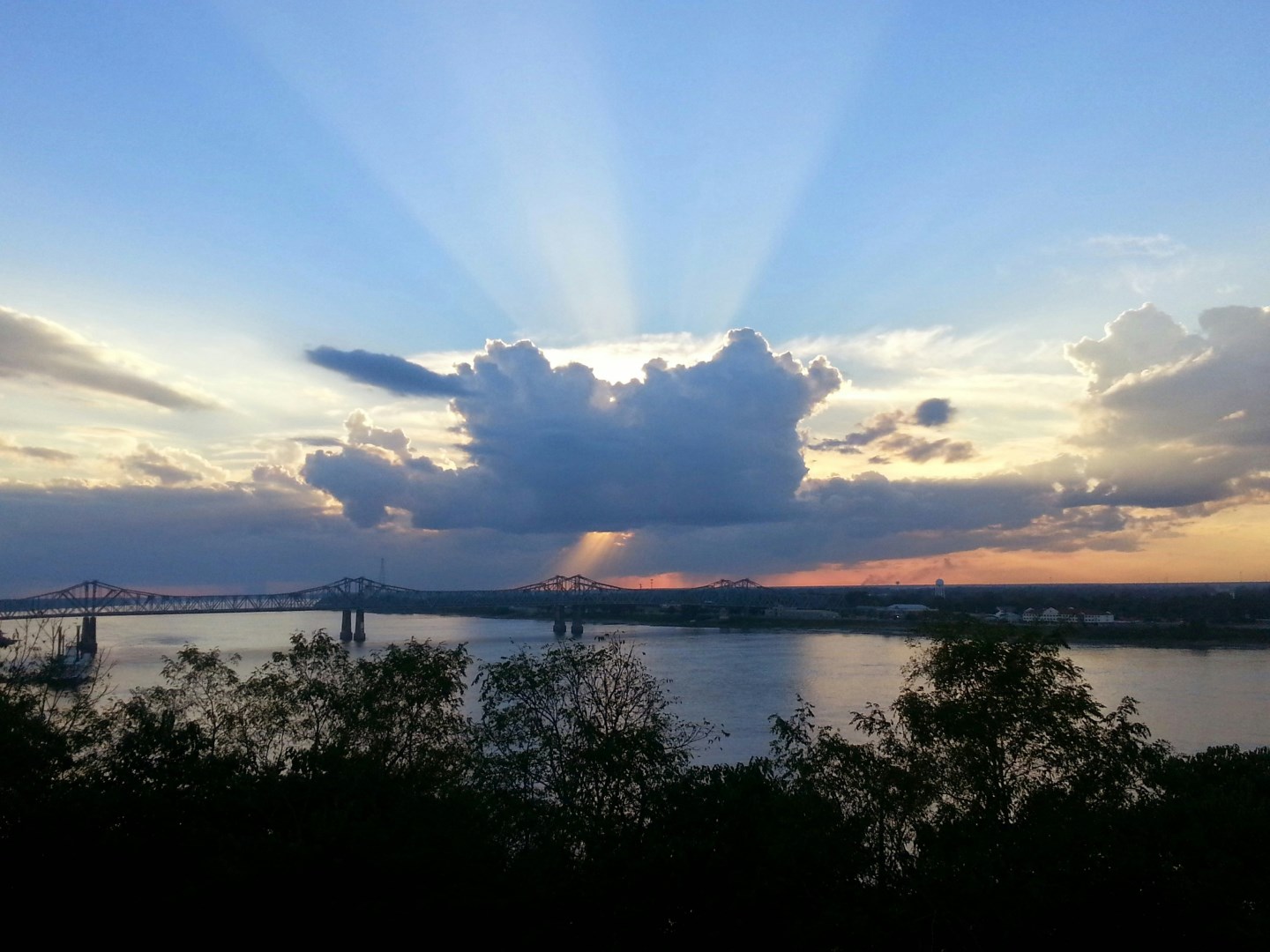
Natchez
Natchez is a river city in southwestern Mississippi overlooking the Mississippi River bluffs near the Louisiana border. It is recognized for its large collection of preserved antebellum homes, brick streets, and long connection to river trade.
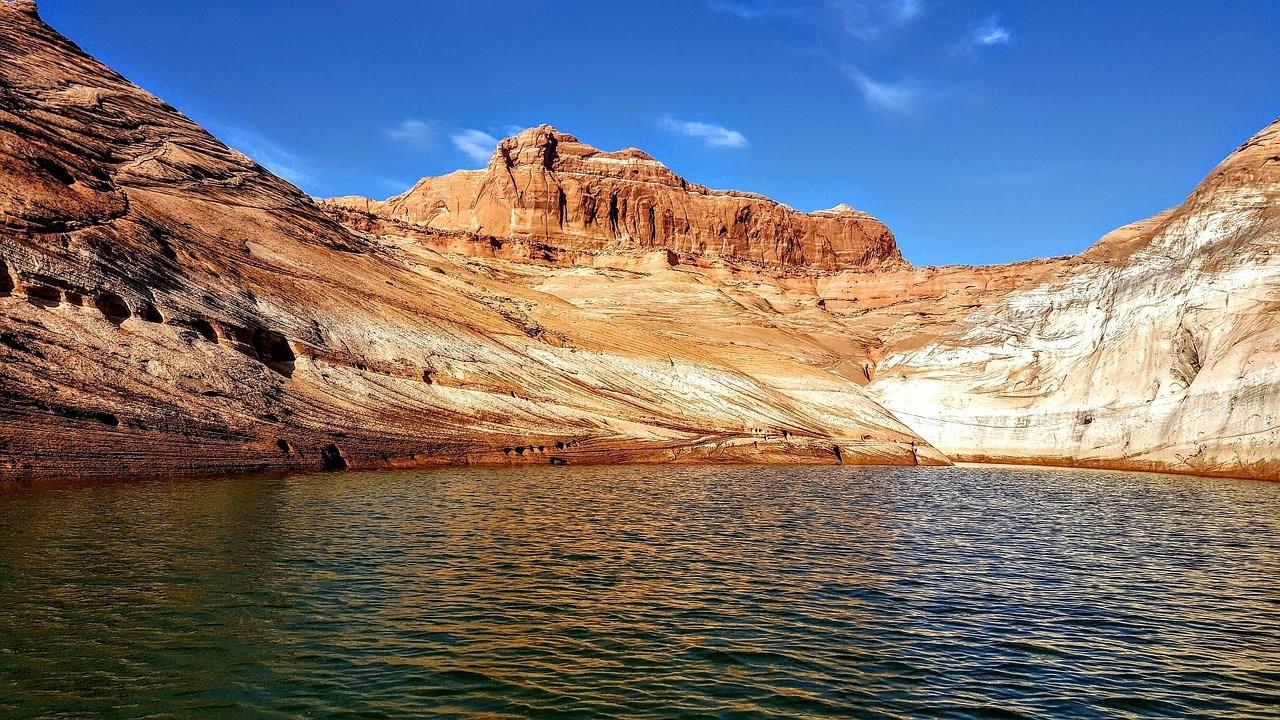
Lake Powell
Lake Powell, stretching across the Utah-Arizona border, is one of the largest manmade reservoirs in the United States. Formed by the flooding of Glen Canyon after the completion of the Glen Canyon Dam in 1963, it covers over 180 miles in length and contains nearly 2,000 miles of shoreline, more than the entire West Coast of the U.S. Despite its modern origins, the area has long been home to the Ancestral Puebloans and later Navajo communities.
