
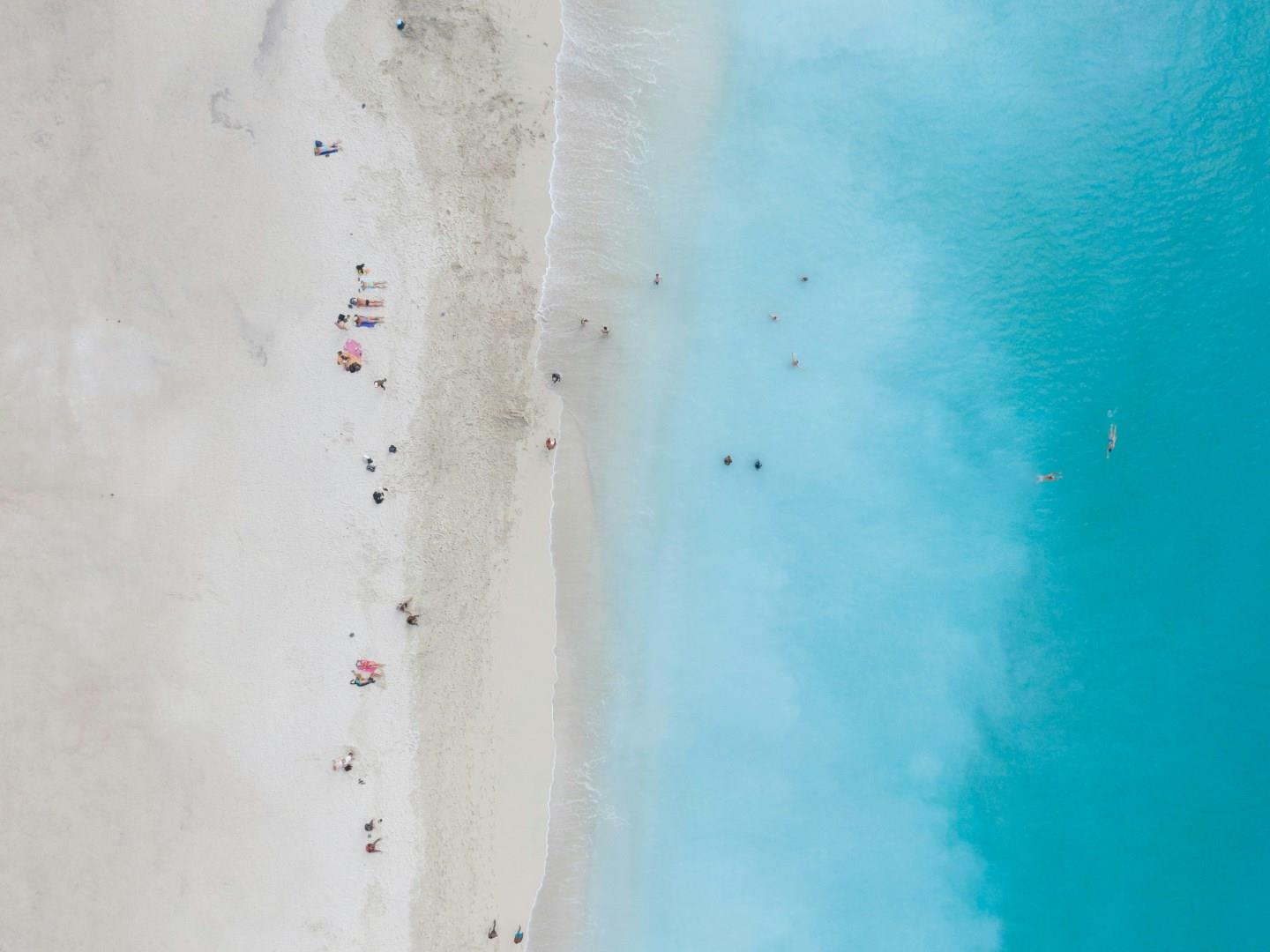
Mindelo
Mindelo, on the northern coast of São Vicente Island, is Cape Verde’s cultural pulse. Its streets are lined with colorful colonial buildings, lively squares, and historic churches that echo the city’s maritime past.
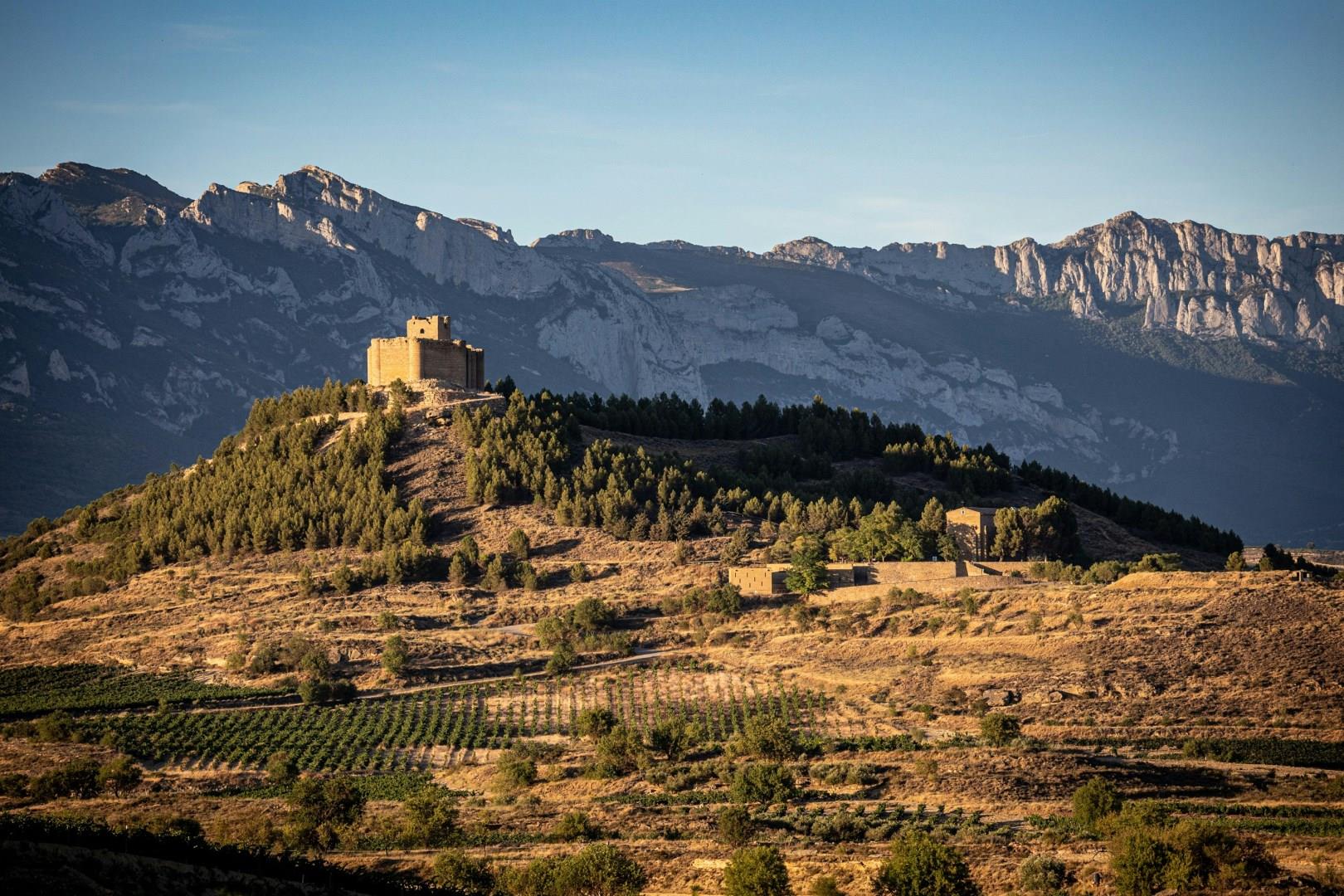
La Rioja
La Rioja, located in northern Spain, is best known for its wine, but the region offers much more than vineyard views. Its capital, Logroño, sits along the Camino de Santiago and has welcomed travelers for centuries. The city’s historic center is compact and lively, with narrow streets lined by centuries-old churches, pintxo bars, and quiet plazas.

Floreana Island
Located off the coast of Ecuador, Floreana Island is one of the Galápagos Islands and a popular stop for gazing at a variety of wildlife, including Galápagos tortoises and flamingoes. Post Office Bay is home to the island chain's first post office site, originally established by visiting whalers in the 18th century. Though one of the smallest islands in the Galápagos, Floreana is well worth the trip!
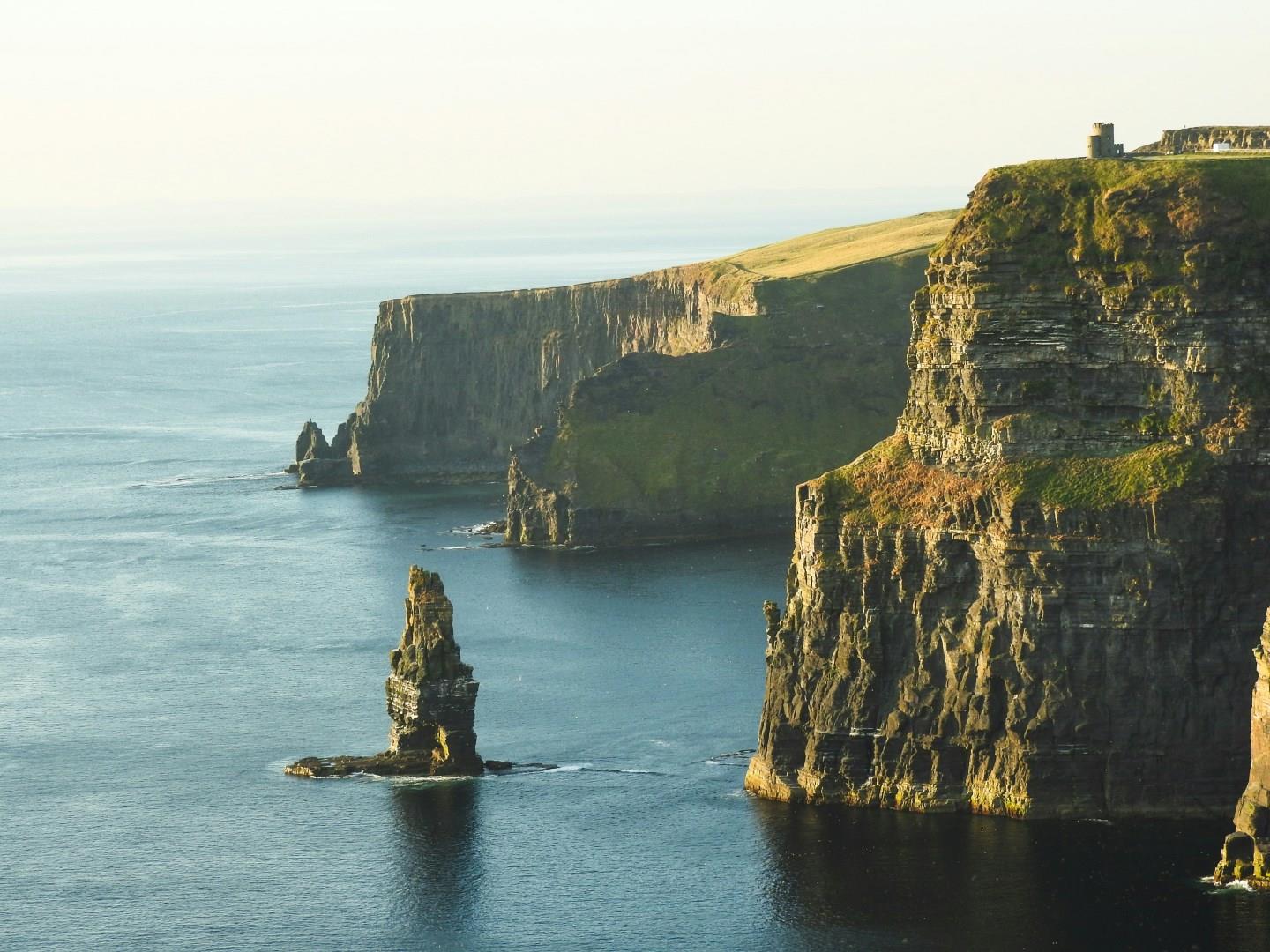
Cliffs of Moher
The Cliffs of Moher rise dramatically from the Atlantic Ocean, stretching for about 8 kilometers along Ireland’s western coast in County Clare. At their highest point near O'Brien's Tower, the cliffs reach 214 meters, offering uninterrupted views of the Aran Islands, Galway Bay, and the craggy peaks of Connemara on a clear day. These ancient sea cliffs have stood for over 300 million years and remain one of the most visited and photographed sites in Ireland.

Uluru National Park
Uluru-Kata Tjuta National Park, national park in the Northern Territory, Australia, in the arid center of the continent, southwest of Alice Springs. The area was established as Ayers Rock/Mount Olga National Park in 1958 and renamed Uluru National Park in 1977.
