

Wrangell
Nestled at the confluence of the Stikine and Wrangell Rivers, Wrangell, Alaska, offers a unique blend of history, culture, and natural beauty. This charming city, with its rich Tlingit heritage and historic sites, is an ideal destination for those seeking an authentic Alaskan experience.
Rockport
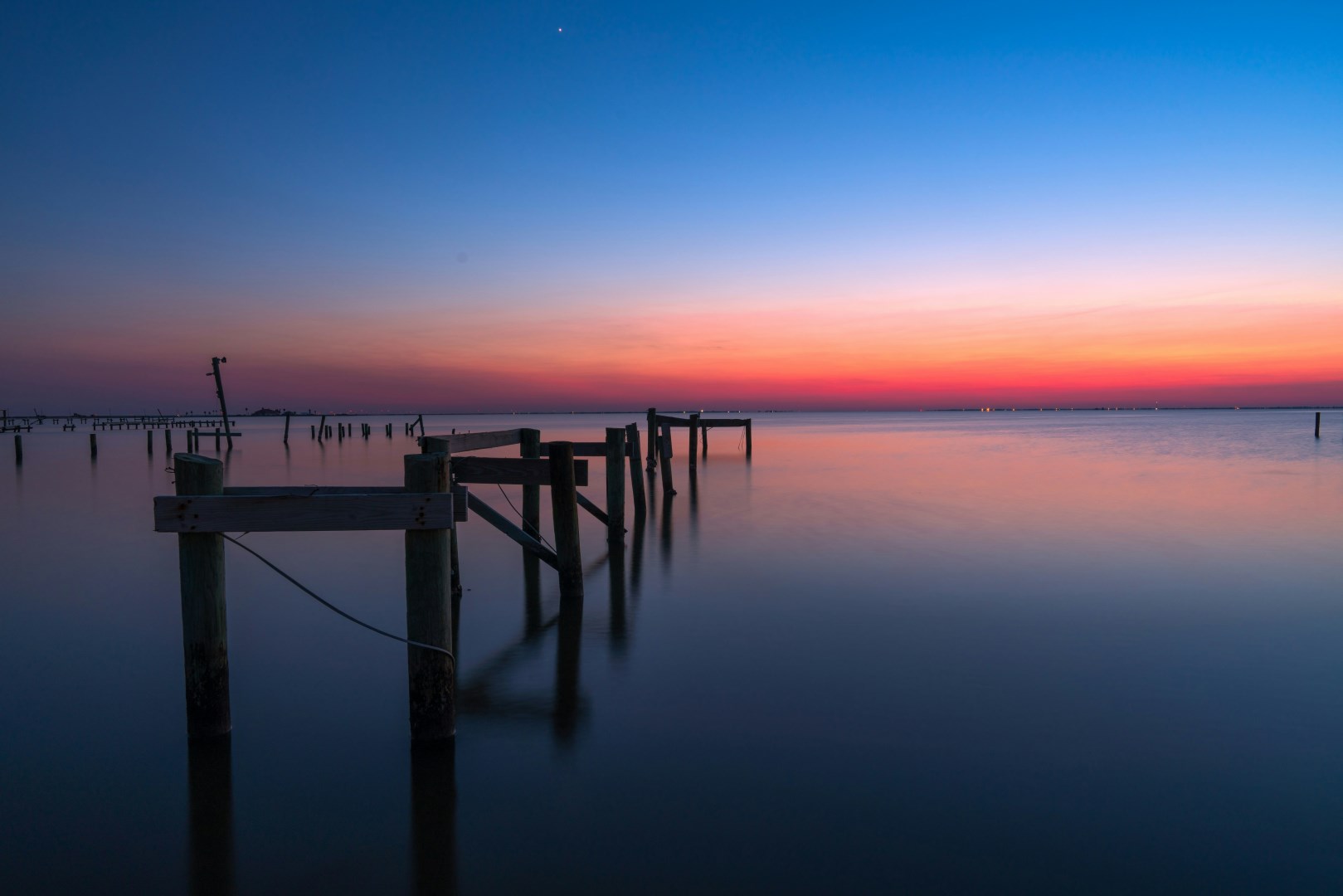
Rockport, Texas sits along the Texas Gulf Coast, where calm bays, sandy shores, and working harbors shape daily life. The town is known for its long waterfront views over Aransas Bay, where dolphins often appear near fishing boats and pelicans glide low across the water. Rockport’s layout keeps the sea close at hand, with marinas, boardwalks, and public piers giving easy access to the shoreline from almost anywhere in town.
Namche
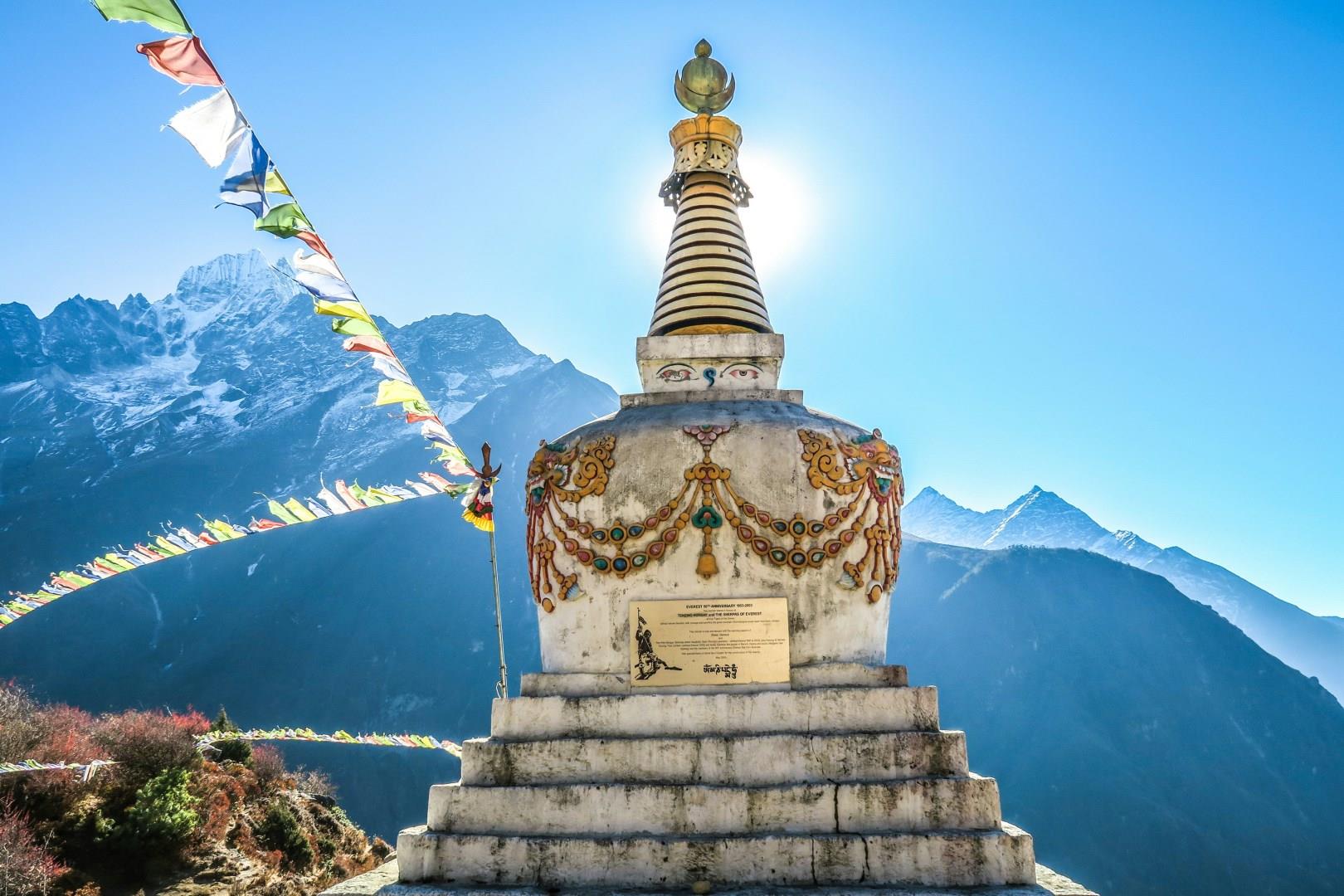
Namche Bazaar, perched at 3,440 meters in the Khumbu region of Nepal, is often called the gateway to Everest, but it’s far more than a rest stop on the way to Base Camp. Once a trading post between Tibetan and Nepali merchants, Namche has developed into a small mountain town where yak caravans and Wi-Fi cafes exist side by side. Despite its remote location, it has a Saturday market that continues to bring traders and trekkers together, just as it did centuries ago.

Amazon Jungle
Exploring the Amazon Jungle in Brazil is like venturing into the heart of a living, breathing world. The Amazon Rainforest, often referred to as the "lungs of the Earth," is a lush, sprawling expanse that teems with extraordinary biodiversity.

Great Barrier Reef
The Great Barrier Reef stretches along Australia’s northeast coast, forming the largest coral reef system on Earth and one of the planet’s most complex living ecosystems.
