

Skagen
Skagen, Denmark, is a picturesque coastal town where the North Sea meets the Baltic Sea, offering visitors a unique natural experience unlike any other. Known for its stunning light, which has attracted artists for centuries, Skagen is a place where art, nature, and history converge in perfect harmony.
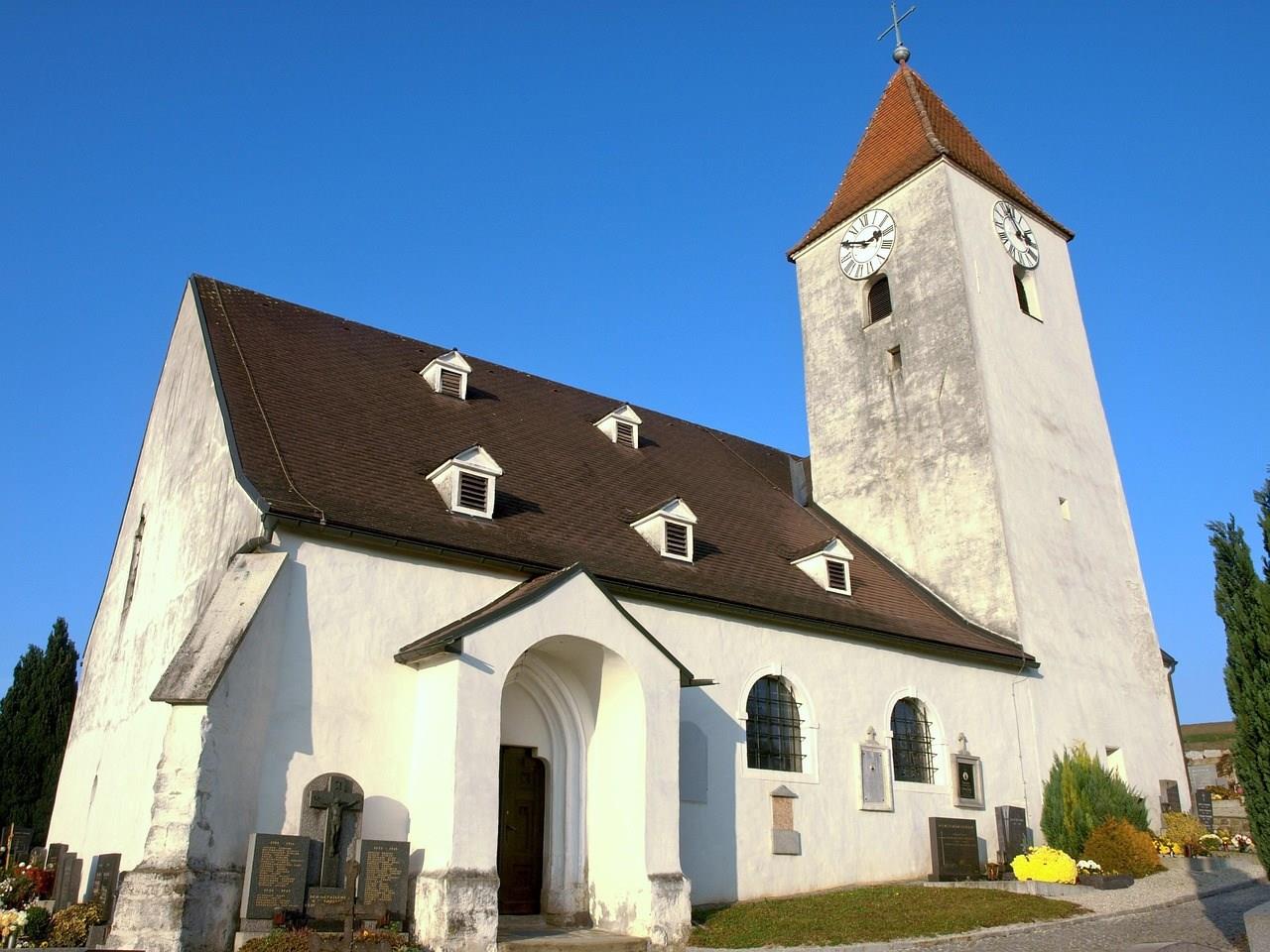
Ardagger
Ardagger provides a charming escape from Austria’s larger cities. Whether exploring the abbey, enjoying the riverfront, or sampling local dishes, visitors will find plenty of reasons to appreciate this peaceful corner of Lower Austria.

Australia & New Zealand
Australia and New Zealand each have their own identities, shaped by indigenous heritage, colonial history, and vibrant contemporary cultures. Visitors can travel between the two in just a few hours, yet find themselves in entirely different worlds.

Yellowstone National Park
Yellowstone National Park, America's first national park, stands as a stunning testament to nature’s raw power and beauty. Located primarily in Wyoming, with portions extending into Montana and Idaho, Yellowstone offers visitors a chance to witness incredible geothermal wonders, such as the famous Old Faithful geyser that faithfully erupts every 60 to 110 minutes.
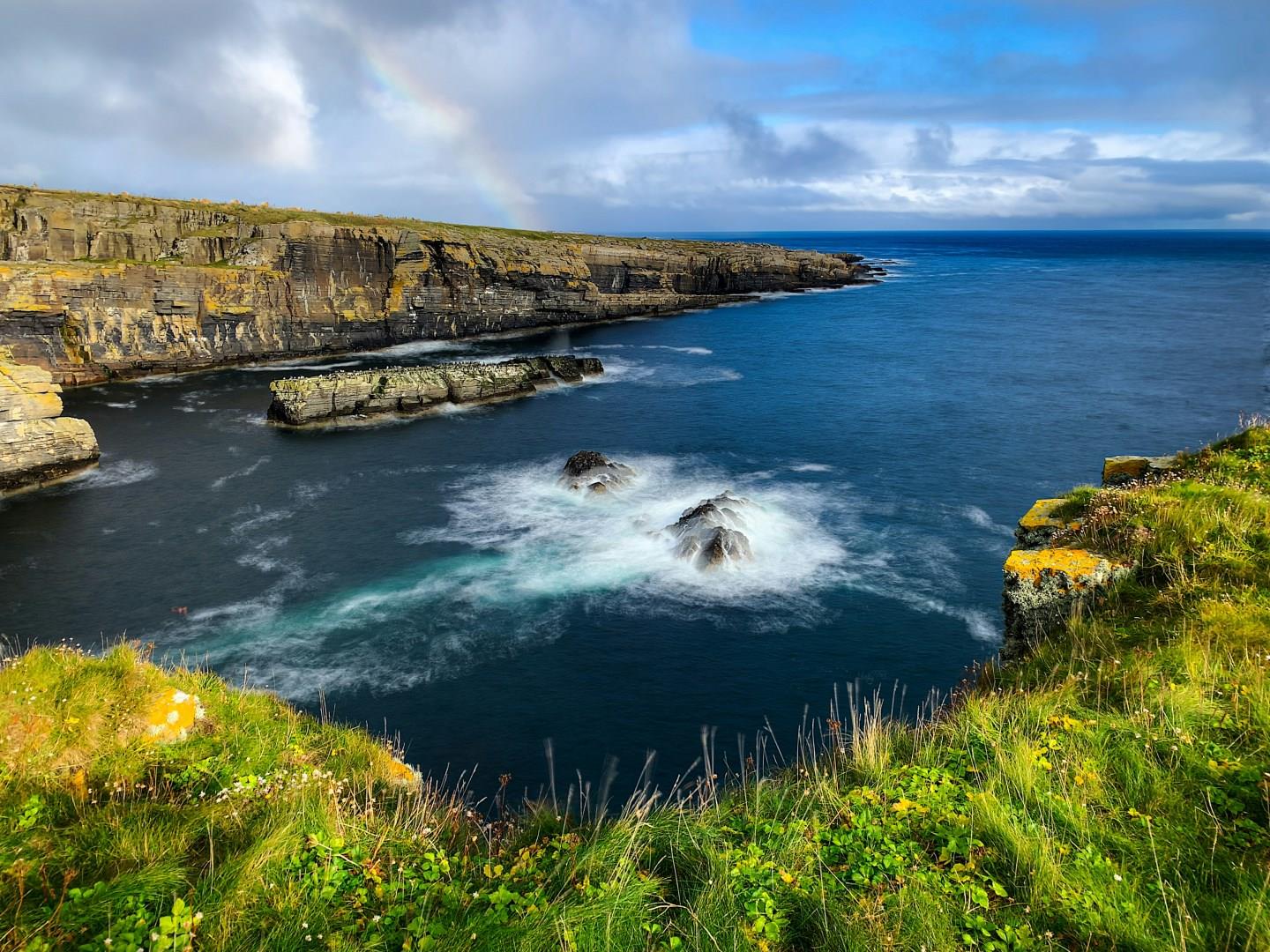
Wick
Wick’s location at the mouth of the River Wick provides a dramatic coastal setting, with cliffs, sandy beaches, and the North Sea stretching into the horizon.
