

Marquesas Islands
Farther from a continental landfall than any other group of islands on earth, the twelve Marquesas jut out of the open Pacific just south of the equator, shrouded in a constant cloud cover.

Rousse
Rousse, Bulgaria, often referred to as "Little Vienna," sits gracefully on the banks of the Danube River. Known for its rich history, stunning architecture, and vibrant culture, Rousse offers a glimpse into Bulgaria's past while embracing the future. The city's central square, Svoboda (Freedom) Square, is a great starting point for exploring.
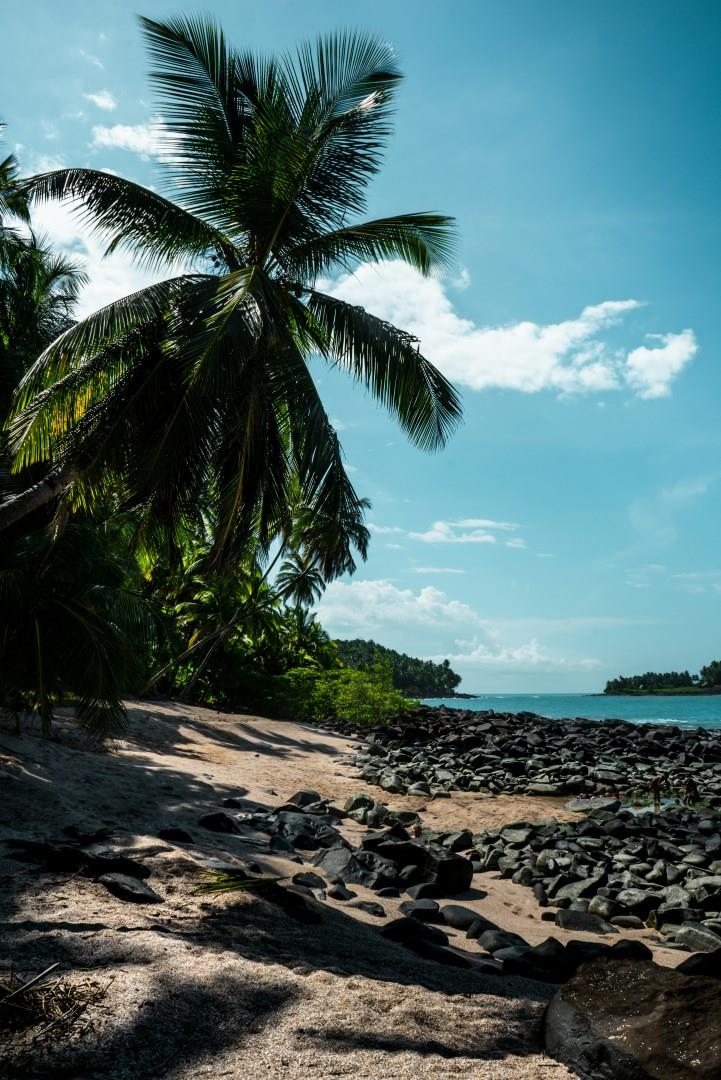
Cayenne
Cayenne, the lively capital of French Guiana, sits where the Cayenne River meets the Atlantic Ocean, blending South American rhythms with French-Caribbean influence. While it's officially part of France, Cayenne feels worlds away from Paris, with colorful markets, colonial architecture, and a language mix that includes French, Creole, Portuguese, and Indigenous dialects.
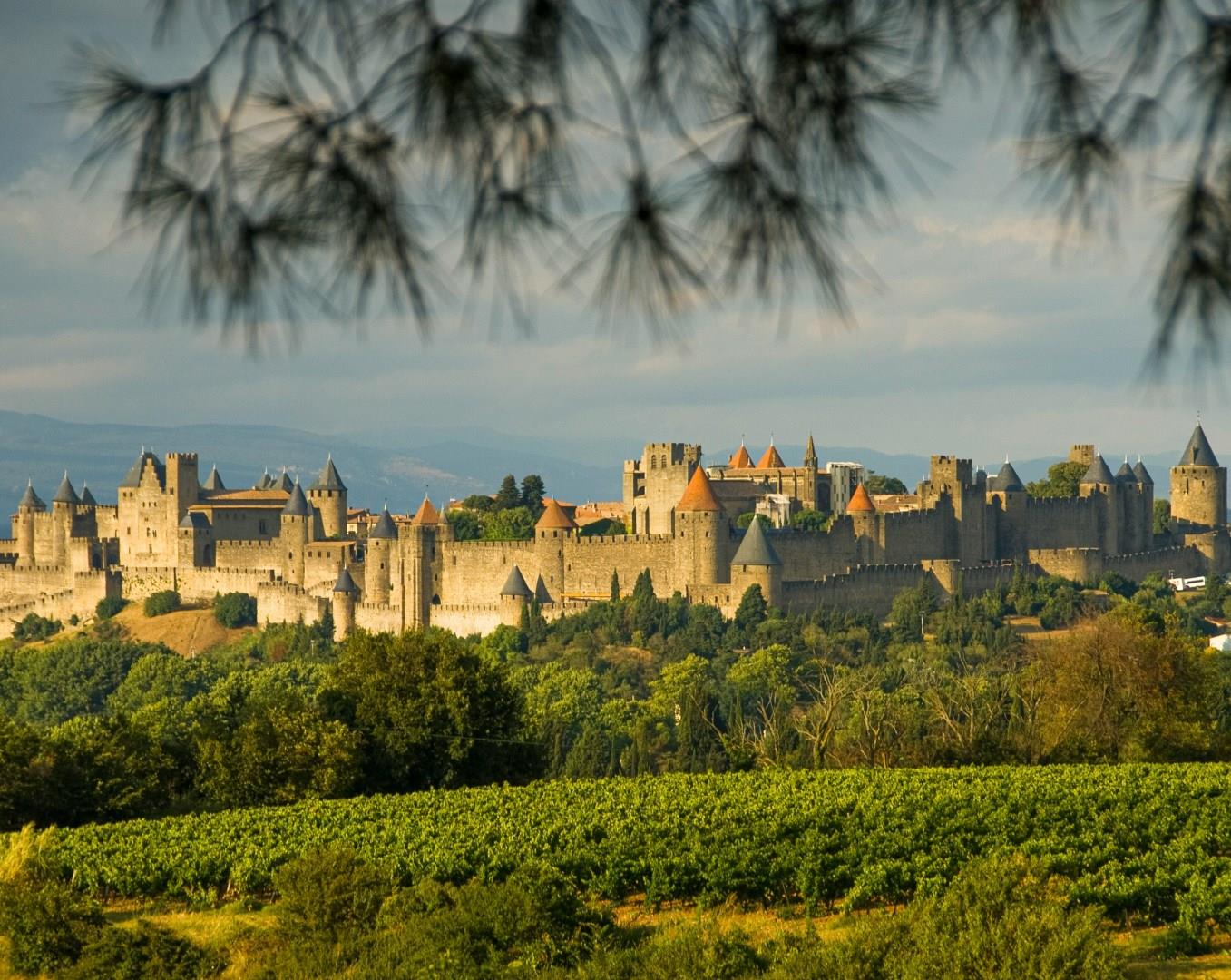
Carcassonne
Carcassonne is a fortified city in southern France, rising above the Aude River with walls and towers that feel lifted from another century. Its origins stretch back to Roman times, but the city is best known for its medieval citadel, rebuilt and expanded during the Middle Ages when Carcassonne became a strategic stronghold on key trade and military routes.

Spain
Spain offers a wide range of experiences shaped by centuries of layered history and regional diversity. From the Moorish palaces of Andalusia to the Roman aqueduct in Segovia and the Gaudí-designed landmarks of Barcelona, each city reflects a different chapter in Spain’s past. In Granada, the Alhambra still stands as a masterpiece of Islamic architecture, with detailed carvings, hidden courtyards, and panoramic views of the Sierra Nevada mountains.
