

Melk
Nestled along the south bank of the Danube, this historical Austrian city bursts with charm. A favorite stop on European river cruises, the city's most famous attraction is Melk Abbey, which dates back to the 11th century. The original Benedictine structure was lost to fires and foreign invasion, then rebuilt during the 18th century in lavish Baroque style, including a library and inner church covered in magnificent frescoes and gilded fixtures.

Sao Vicente
Sao Vicente, one of Cape Verde’s most vibrant islands, is full of beautiful coastal scenery. Laginha Beach, just a short walk from the island's main city, Mindelo, is perfect for relaxing by the turquoise waters, while Sao Pedro Beach is known for its strong winds, making it a popular spot for windsurfing. For those who enjoy hiking, Monte Verde provides panoramic views of the island’s landscapes.
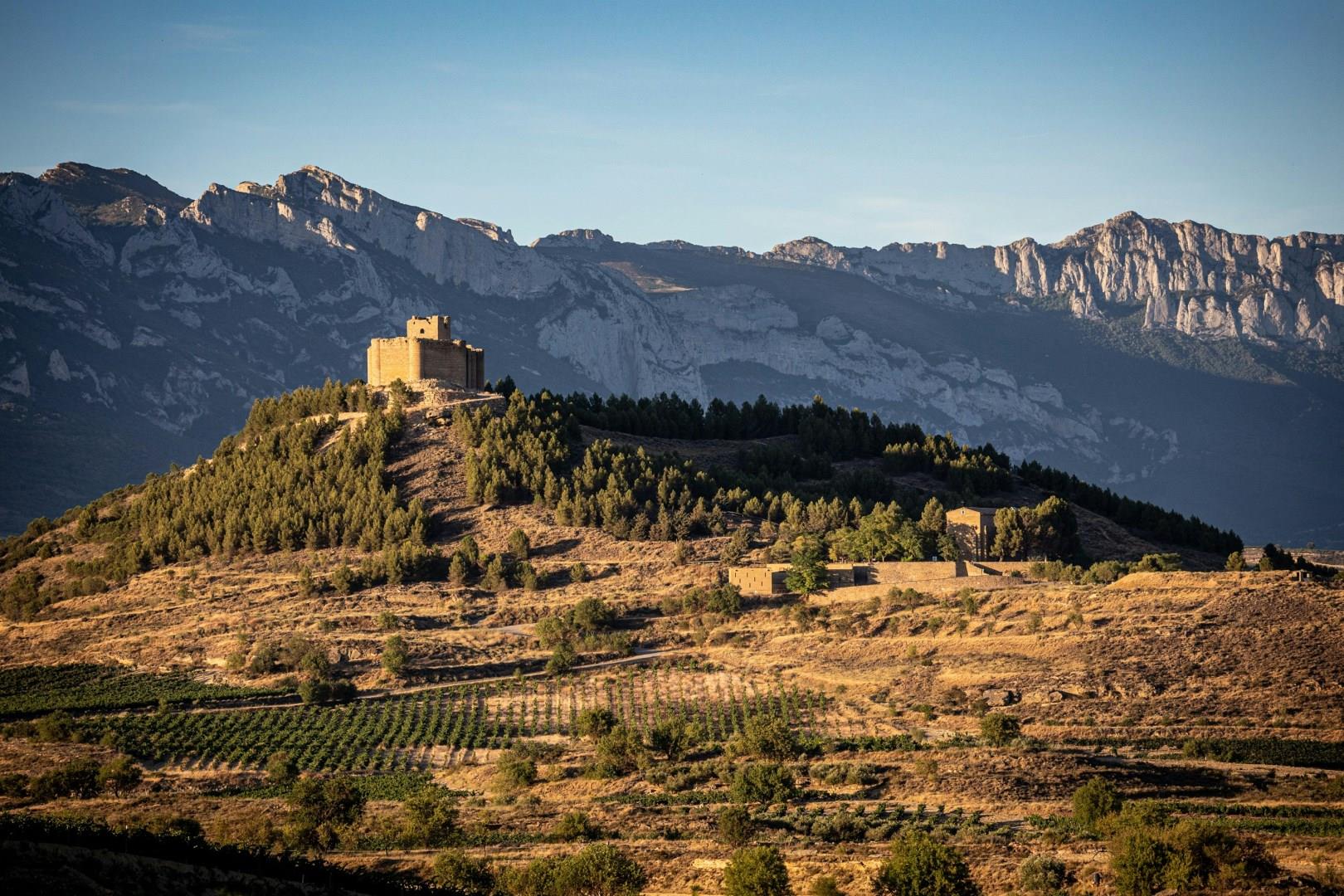
La Rioja
La Rioja, located in northern Spain, is best known for its wine, but the region offers much more than vineyard views. Its capital, Logroño, sits along the Camino de Santiago and has welcomed travelers for centuries. The city’s historic center is compact and lively, with narrow streets lined by centuries-old churches, pintxo bars, and quiet plazas.

Novi Sad
Novi Sad, Serbia’s second-largest city, sits along the banks of the Danube River and has long served as a cultural meeting point in the Balkans. Its centerpiece is Petrovaradin Fortress, a massive 18th-century stronghold nicknamed the "Gibraltar on the Danube." The fortress is known not just for its historic architecture but also for its network of underground tunnels and the iconic clock tower where the hands are reversed, meaning the large hand shows the hour.
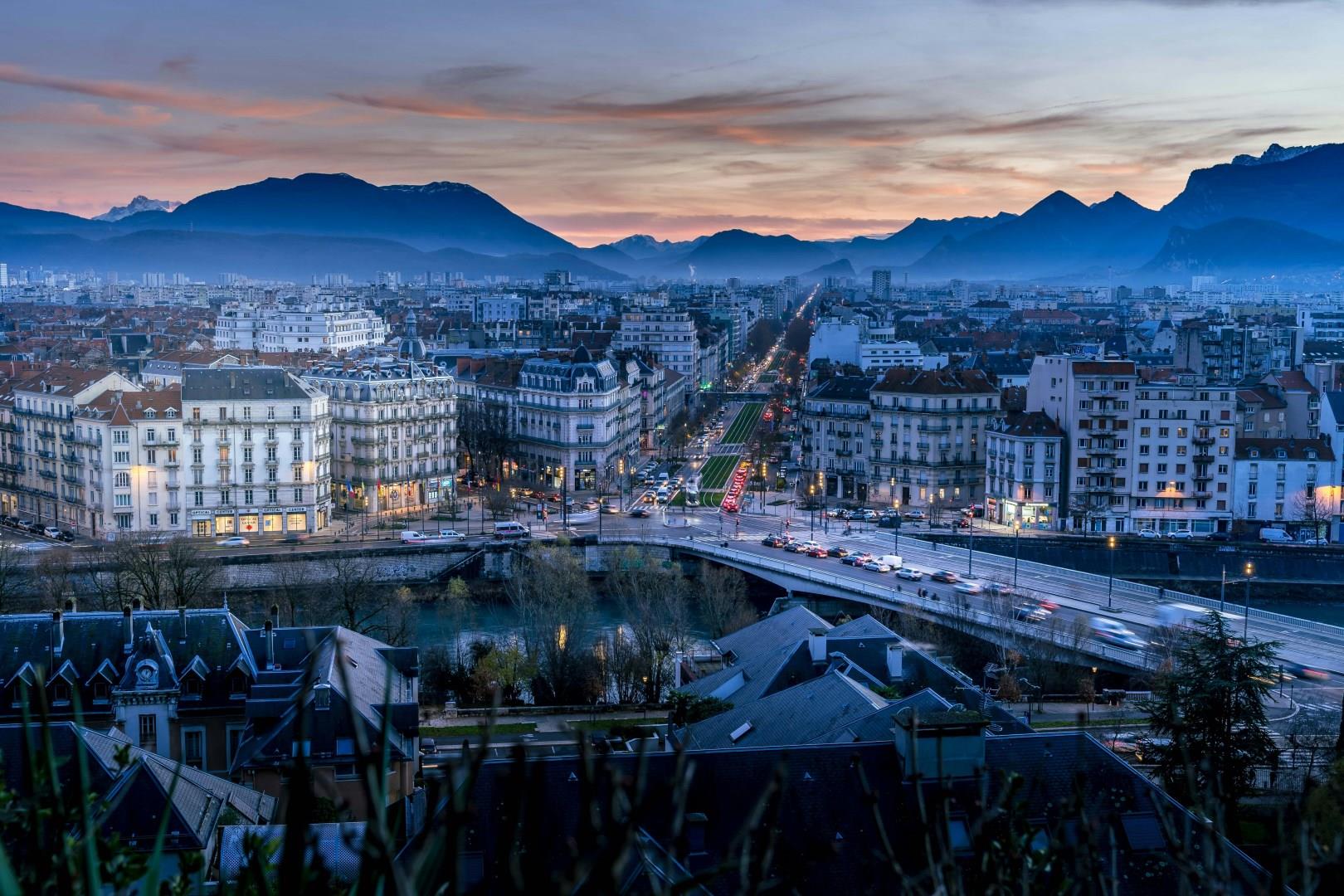
Grenoble
Grenoble sits at the meeting point of three Alpine mountain ranges in southeastern France, giving it a setting that feels both dramatic and lived-in. With origins dating back to Roman times, the city has long been a crossroads of trade, science, and political thought.
