

Cyprus
In Cyprus, travelers are immersed in a culture that draws on Europe, the Middle East, and 9000 years of constant invasion. Crusader castles rub shoulders with ancient vineyards, frescoed monasteries overlook citrus orchards, and sandy, sun-soaked feet tread Roman mosaic floors.
Providence
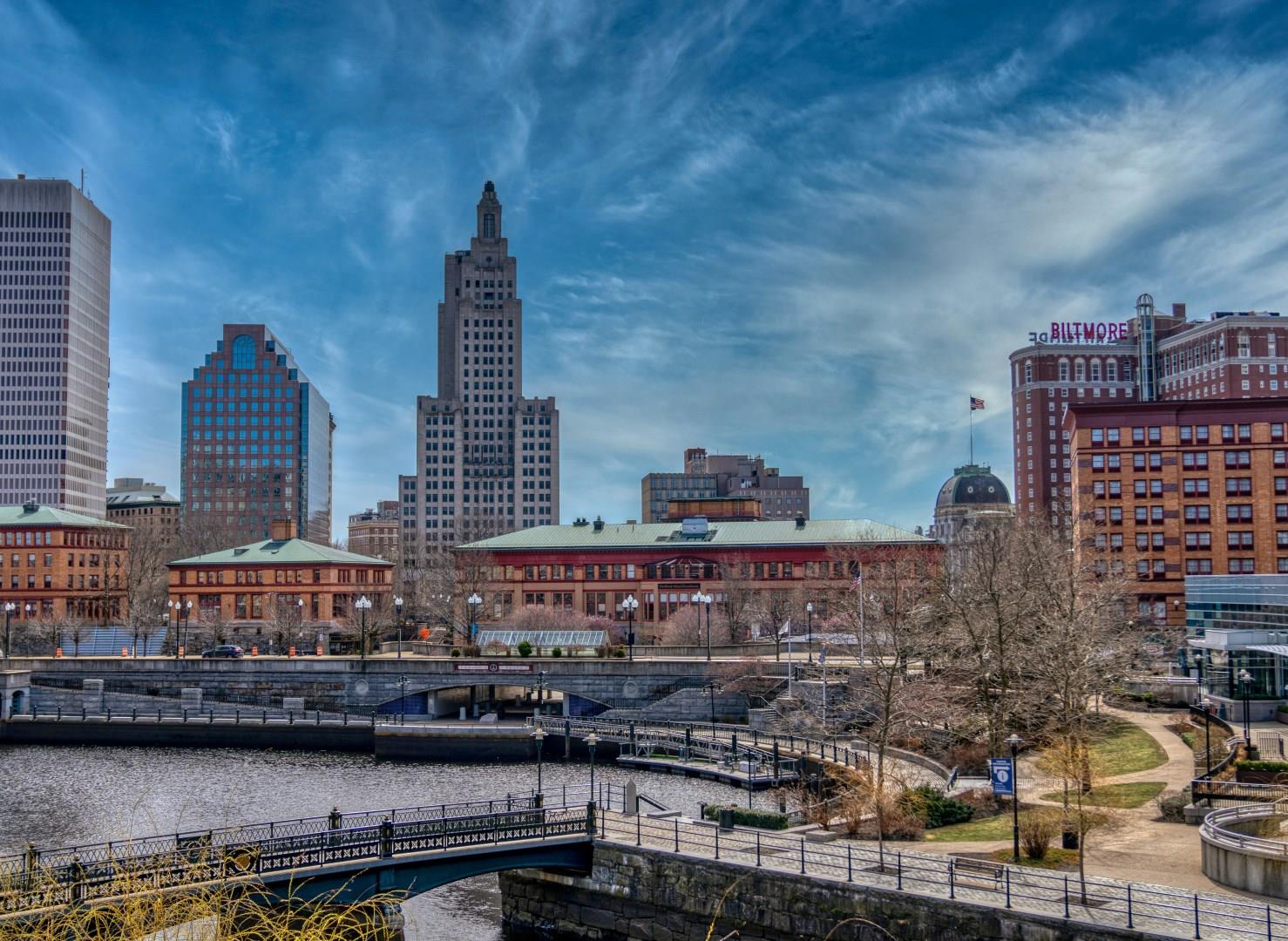
Providence, Rhode Island blends deep colonial roots with a strong creative pulse. Founded in 1636 by Roger Williams, the city became known for its dedication to religious freedom and independent thought. Walking along Benefit Street, visitors pass rows of 18th- and 19th-century homes, many of which are impeccably preserved and marked with historical plaques. The Rhode Island State House, with one of the world’s largest self-supported marble domes, towers over the downtown area and offers public
The Beagle Channel
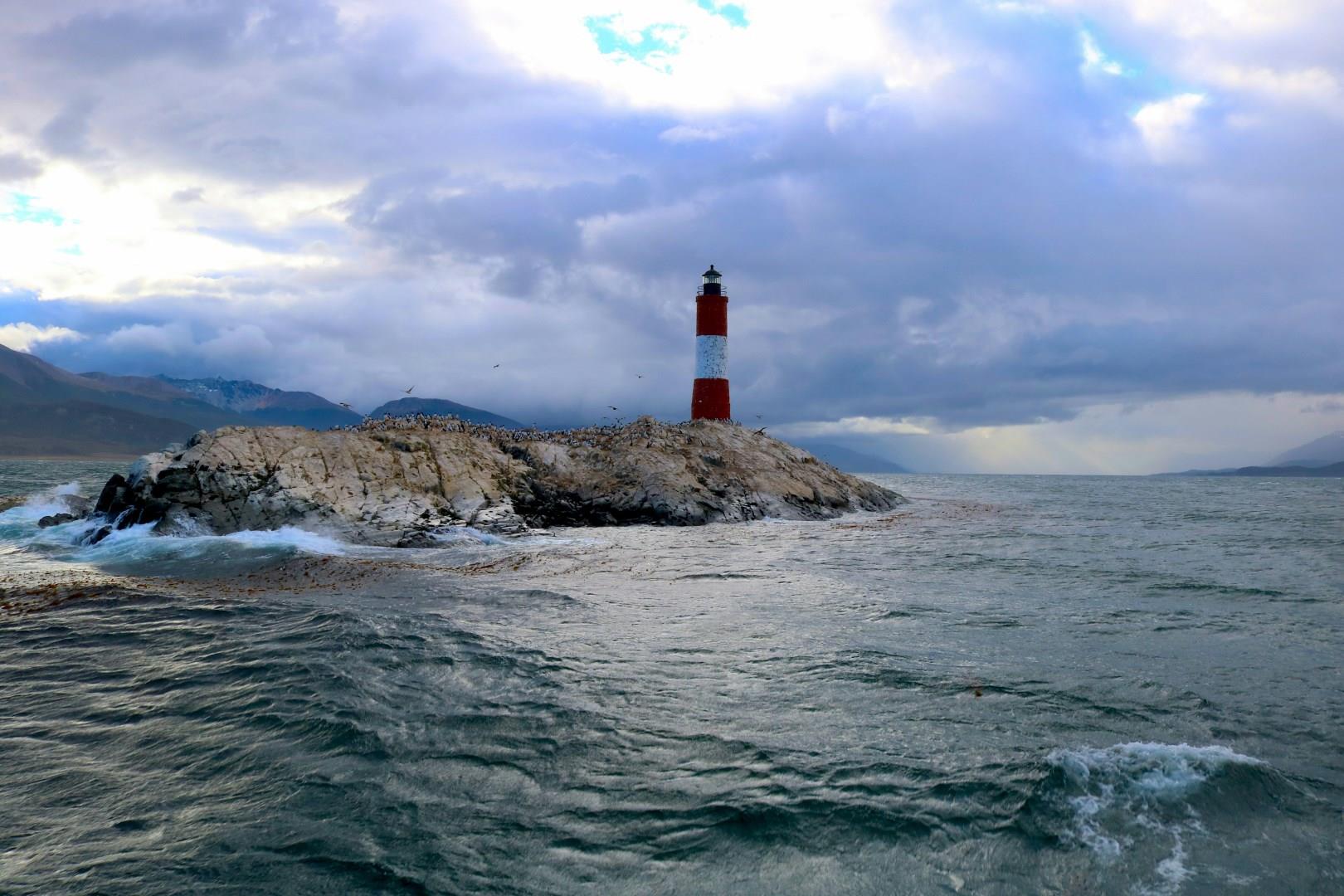
The Beagle Channel, at the southern tip of South America, stretches between Chile and Argentina and offers one of the most striking maritime landscapes in the world. This narrow passage, framed by snow-covered peaks and rocky islands, connects the Atlantic and Pacific Oceans. Its waters are calm compared to the open sea, which has made it a historic navigation route for explorers and sailors for centuries.
La Paz
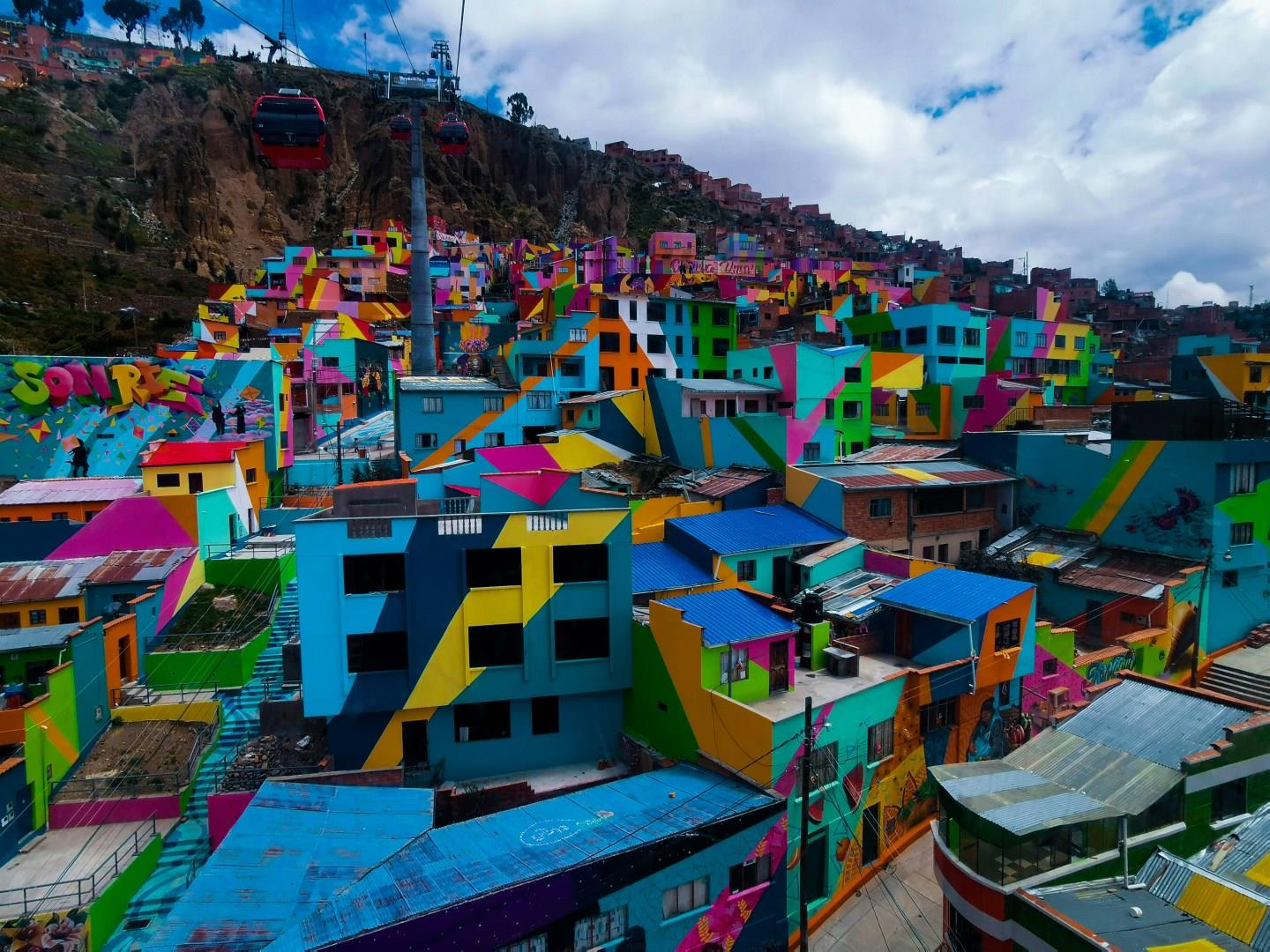
La Paz, Bolivia’s seat of government, is one of the world’s highest capital cities, dramatically set in a deep canyon carved by the Choqueyapu River. Founded in 1548 atop an important Indigenous settlement, the city has long been a crossroads of Andean cultures, colonial history, and modern political life.
Sakkara
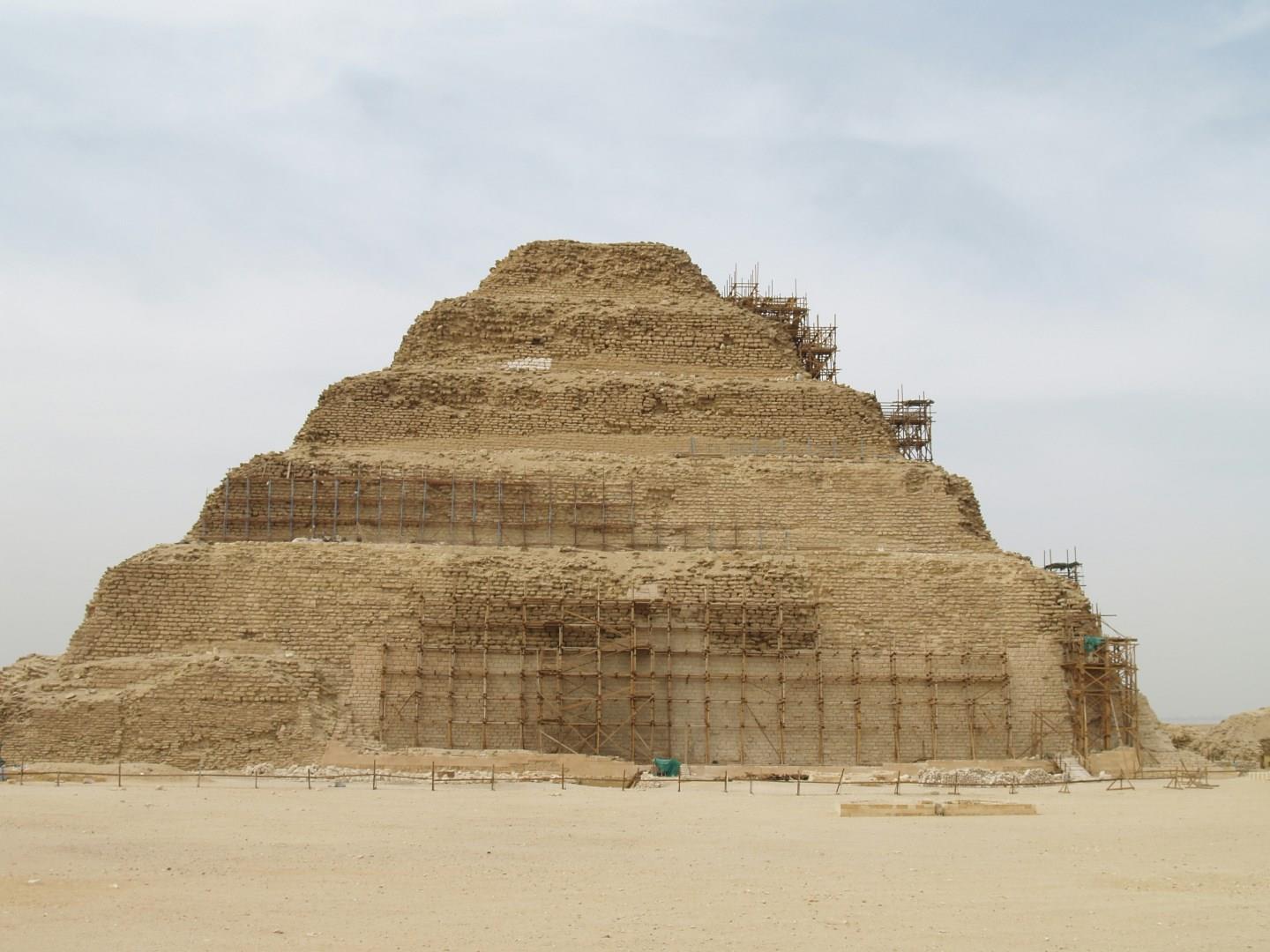
Sakkara, located just south of Cairo, is one of Egypt’s most important archaeological sites and the vast necropolis of the ancient capital of Memphis. Stretching over seven kilometers, it served as a burial ground for pharaohs, nobles, and high officials across multiple dynasties.
