

Calvi Corsica
Calvi, a picturesque gem on the northwest coast of Corsica, France, enchants visitors with its blend of rich history, rugged landscapes, and sparkling Mediterranean waters. This charming seaside town is dominated by its iconic citadel, a formidable 15th-century fortress that stands sentinel over the turquoise bay.
Brest
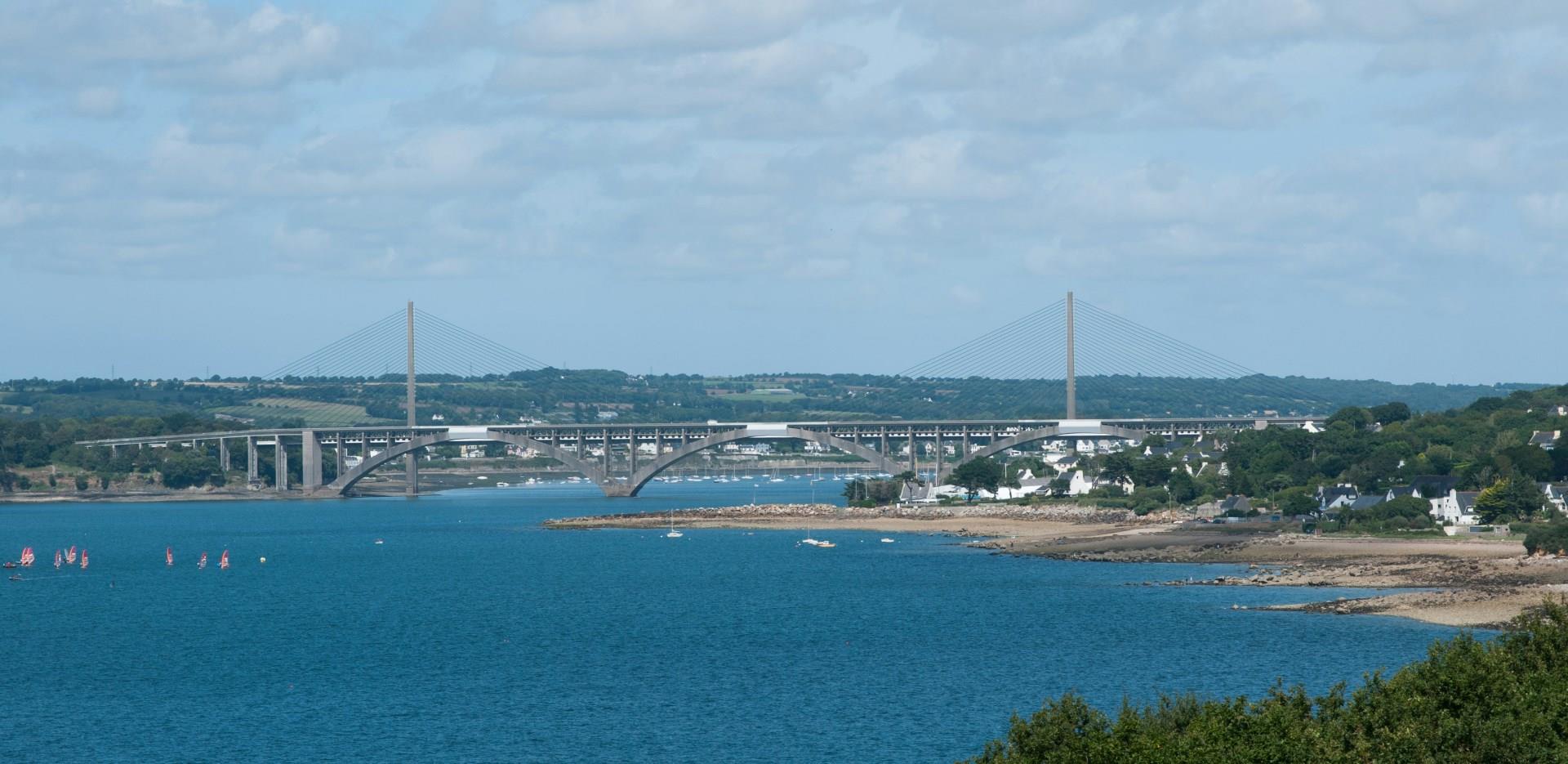
Brest sits at the western edge of Brittany, facing the Atlantic and shaped by its role as a strategic naval port. Much of the city was rebuilt after World War II, giving it a modern layout that contrasts with older Breton towns, yet its history remains closely tied to the sea.

Marzamemi Sicily
Marzamemi, a small fishing village on the southeastern coast of Sicily, offers an authentic taste of Mediterranean charm. Known for its picturesque stone buildings, vibrant piazzas, and crystal-clear waters, Marzamemi captures the essence of coastal life in Sicily. The town’s centerpiece is Piazza Regina Margherita, surrounded by rustic houses and lively seafood restaurants where visitors can savor the fresh catch of the day.

Santa Barbara
Santa Barbara, nestled along California’s picturesque coastline, offers a charming blend of Mediterranean allure and vibrant culture. Known for its stunning beaches, the city’s Santa Barbara Beach provides a perfect spot for sunbathing and water sports with its golden sands and inviting waters. The scenic beauty of Santa Barbara is further highlighted by its Santa Barbara Harbor, where visitors can enjoy a leisurely stroll along the waterfront or embark on a sailing adventure.
Lefkada
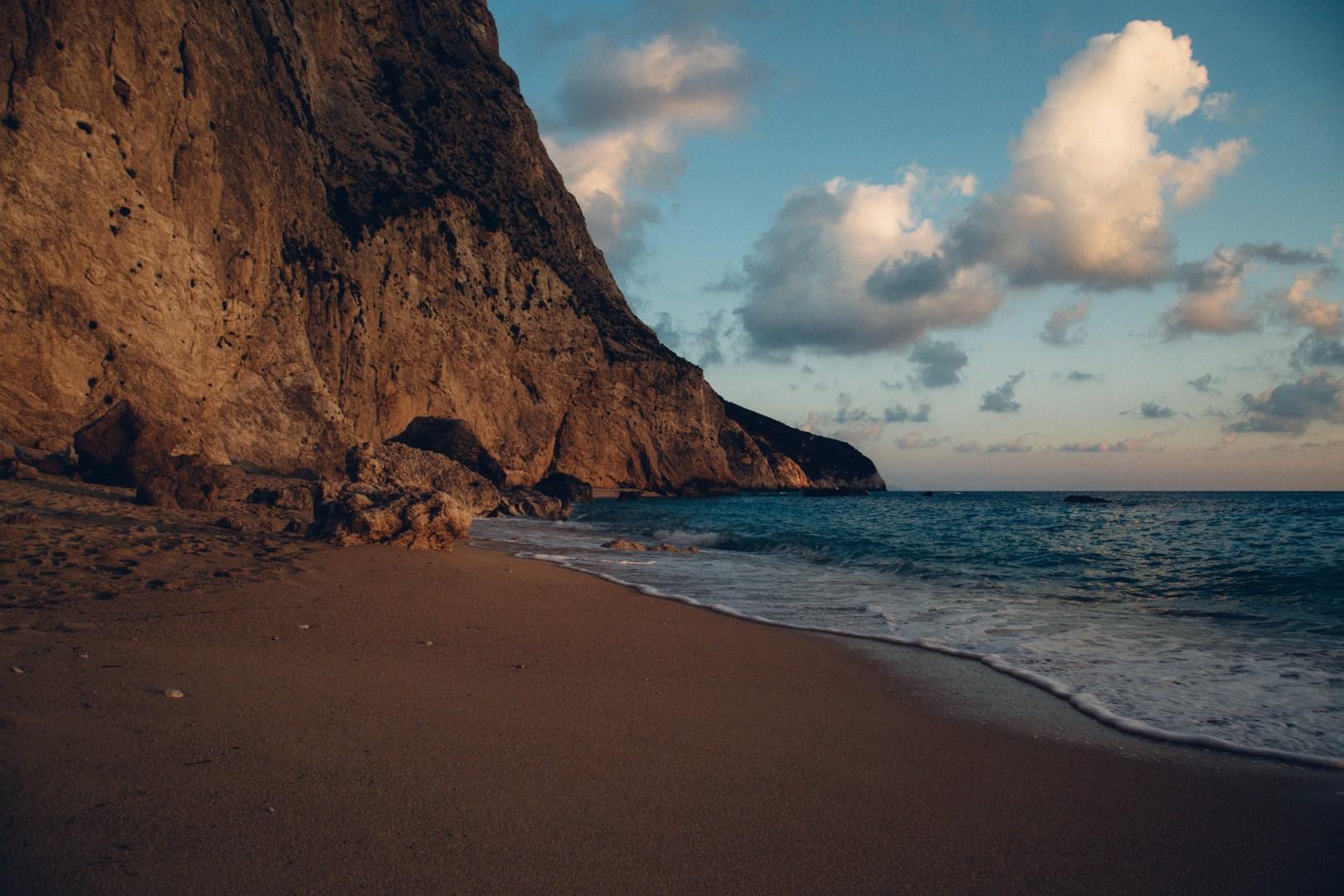
Lefkada, an island in the Ionian Sea, is renowned for its stunning natural beauty and vibrant local culture. Connected to the mainland by a bridge, this Greek island offers a unique blend of sandy beaches, lush landscapes, and charming towns. Visitors are often drawn to Lefkada's world-famous beaches, such as Porto Katsiki and Egremni, which boast crystal-clear waters and dramatic cliffs. These beaches are perfect for sunbathing, swimming, and water sports, making Lefkada a haven for beach lover
