
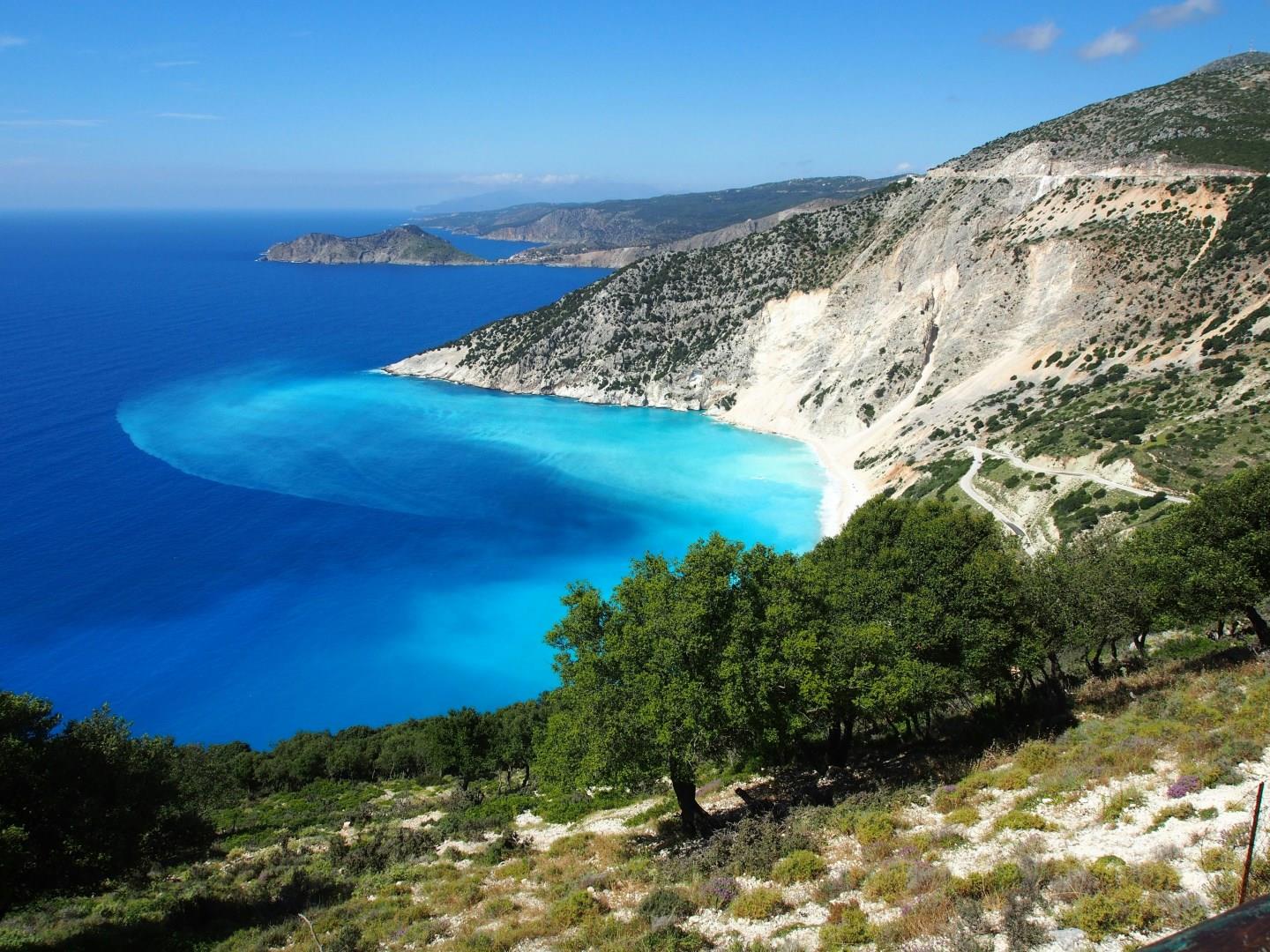
Argostoli
Argostoli sits on the west coast of Kefalonia, Greece’s largest Ionian Island, where a natural harbor meets the Koutavos Lagoon and a waterfront lined with cafés, tavernas, and shops. As the island’s capital, Argostoli blends everyday island life with moments of surprise, from sea turtles surfacing by fishing boats at dawn to historic sites hidden among palm trees and pedestrian streets.

Phnom Penh
Phnom Penh, the capital of Cambodia, is a city where history, culture, and riverside life intersect. Situated at the confluence of the Mekong and Tonle Sap rivers, the city has a lively riverfront that serves as both a social gathering place and a hub for commerce.
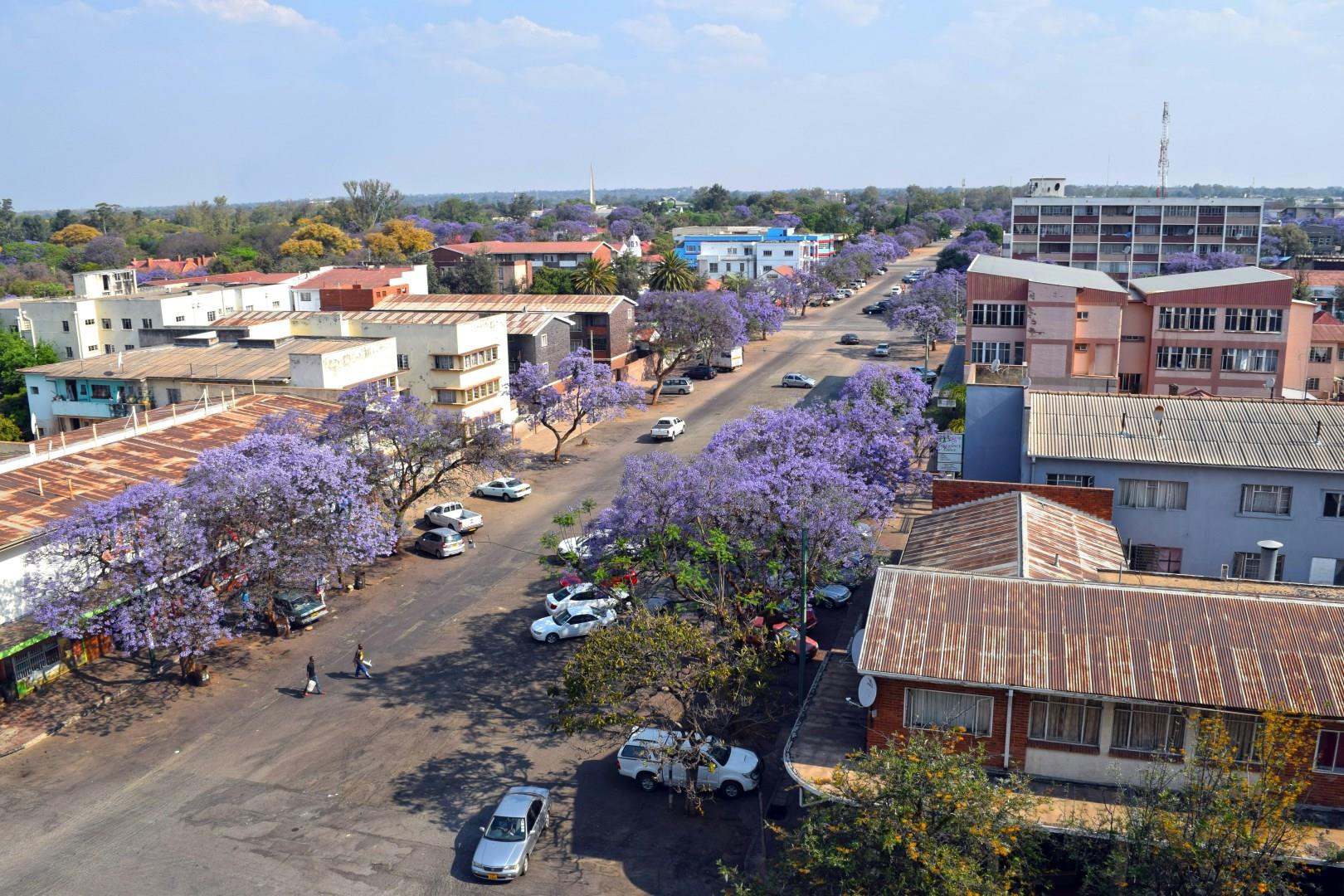
Bulawayo
Bulawayo is Zimbabwe’s second-largest city and a place where industrial heritage and deep cultural roots intersect. Founded near the former capital of the Ndebele kingdom, the city carries strong historical significance tied to King Lobengula and the resistance to colonial expansion.

Stromboli, Sicily
Stromboli is a small volcanic island in the Tyrrhenian Sea, just off the north coast of Sicily. Referred to by some as the "Lighthouse of the Mediterranean," Stromboli is in a constant state of mild volcanic activity, so don't venture out on a hike without an experienced guide.

Cumbria
Cumbria, a captivating region in northwest England, is a dream destination for nature lovers, adventure seekers, and history enthusiasts alike. Home to the iconic Lake District National Park, Cumbria is renowned for its breathtaking landscapes of serene lakes, rugged mountains, and charming villages. Visitors can explore the park's famous lakes, like Windermere and Ullswater, on scenic boat rides or venture into the fells for exhilarating hikes.
