

Michigan
Michigan offers a diverse array of attractions that cater to all types of travelers. The state's natural beauty is showcased in its expansive Great Lakes coastline, including the stunning shores of Lake Michigan, Lake Huron, and Lake Superior. Visitors can explore the breathtaking scenery of the Sleeping Bear Dunes National Lakeshore, renowned for its towering sand dunes and picturesque lake views. This natural wonder provides ample opportunities for hiking, beachcombing, and wildlife watching.
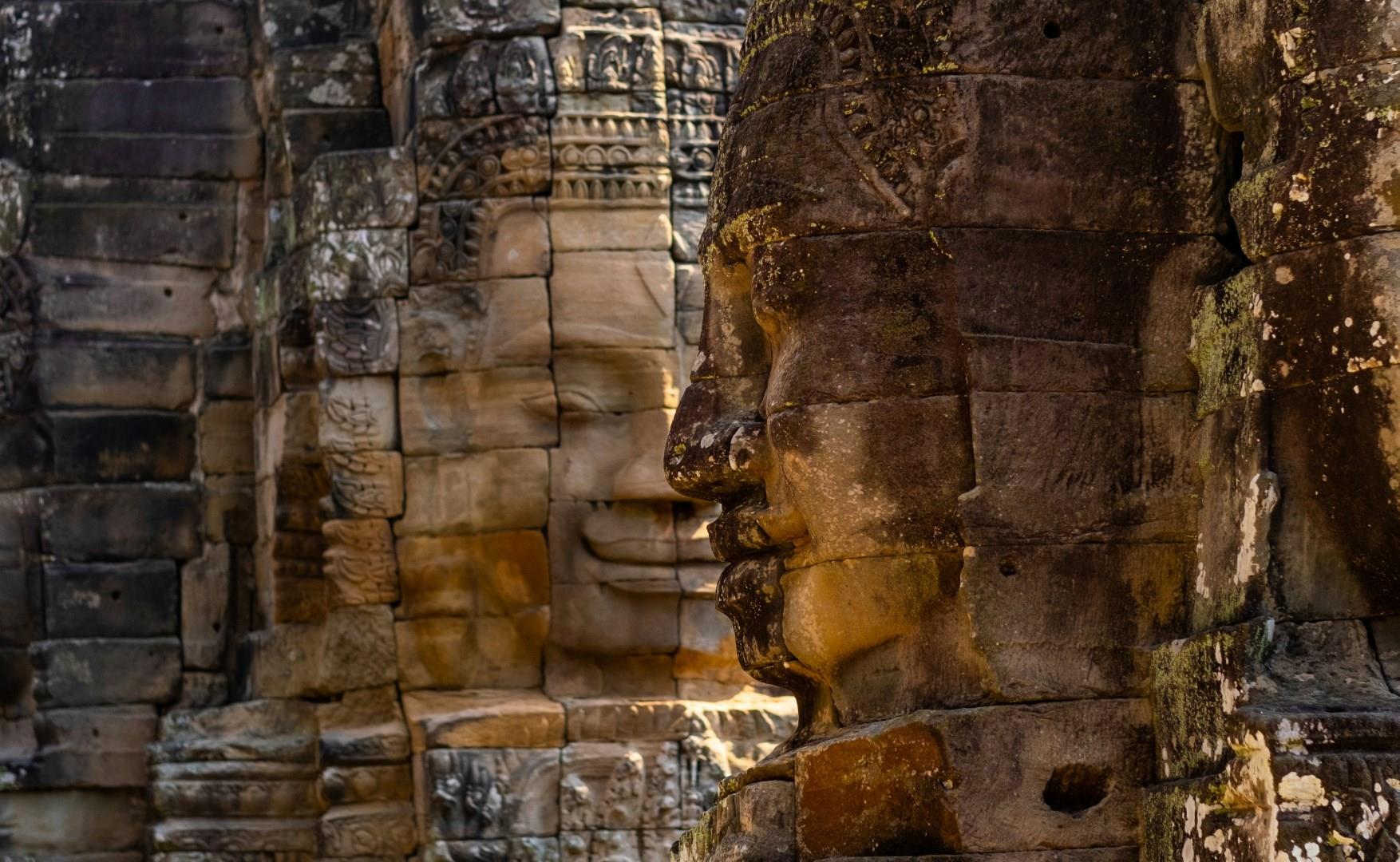
Siem Reap
Siem Reap is best known as the gateway to Angkor, the ancient capital of the Khmer Empire, but the town itself offers far more than a launching point for temple exploration. Located in northwestern Cambodia, Siem Reap balances centuries-old traditions with a rapidly evolving cultural scene. Its streets are lined with colonial-era buildings, Buddhist pagodas, bustling markets, and open-air cafés.

Las Vegas
Las Vegas, Nevada, is an electrifying city where glitz and glamour meet entertainment and excitement. Known as "The Entertainment Capital of the World," Las Vegas offers an unparalleled array of attractions, from its iconic casinos and luxurious hotels to its world-class dining and live shows. The city's entertainment scene is second to none, featuring legendary headliners, cutting-edge performances, and an array of themed attractions.

Îles des Saintes
Les Saintes (also known as Iles des Saintes) are perfect for the kind of traveler who relishes unspoiled tropical beauty and the serenity that comes from doing next to nothing on a vacation, but doing it à la française.

Kom Ombo
Kom Ombo, a hidden gem along the Nile River in southern Egypt, is a destination that seamlessly blends ancient history, captivating architecture, and scenic beauty. This charming town is renowned for the Temple of Kom Ombo, a unique double temple dedicated to two deities: Sobek, the crocodile god, and Horus, the falcon-headed god of the sky.
