

Pompeii
Pompeii, Italy, is a mesmerizing time capsule that invites travelers to step back into the world of ancient Rome. Once a thriving city, Pompeii was abruptly buried under volcanic ash and pumice following the catastrophic eruption of Mount Vesuvius in 79 AD. This tragic event preserved the city in remarkable detail, allowing visitors today to walk the cobbled streets and witness a snapshot of Roman life, from grand villas and bathhouses to bakeries and amphitheaters.

Fiji
Fiji, a tropical haven in the heart of the South Pacific, is made up of over 330 islands, each with its own distinct character. The islands boast lush rainforests, soaring mountains, and white sandy beaches, offering a wide range of activities, from kayaking through calm lagoons and paddleboarding along scenic coastlines to zip-lining through lush rainforests and hiking across mountainous terrain.

Zambia
Zambia, a landlocked country in southern Africa, is celebrated for its dramatic landscapes, diverse wildlife, and warm hospitality. Known as the “real Africa” by many travelers, it is home to some of the continent’s most famous natural wonders and national parks.
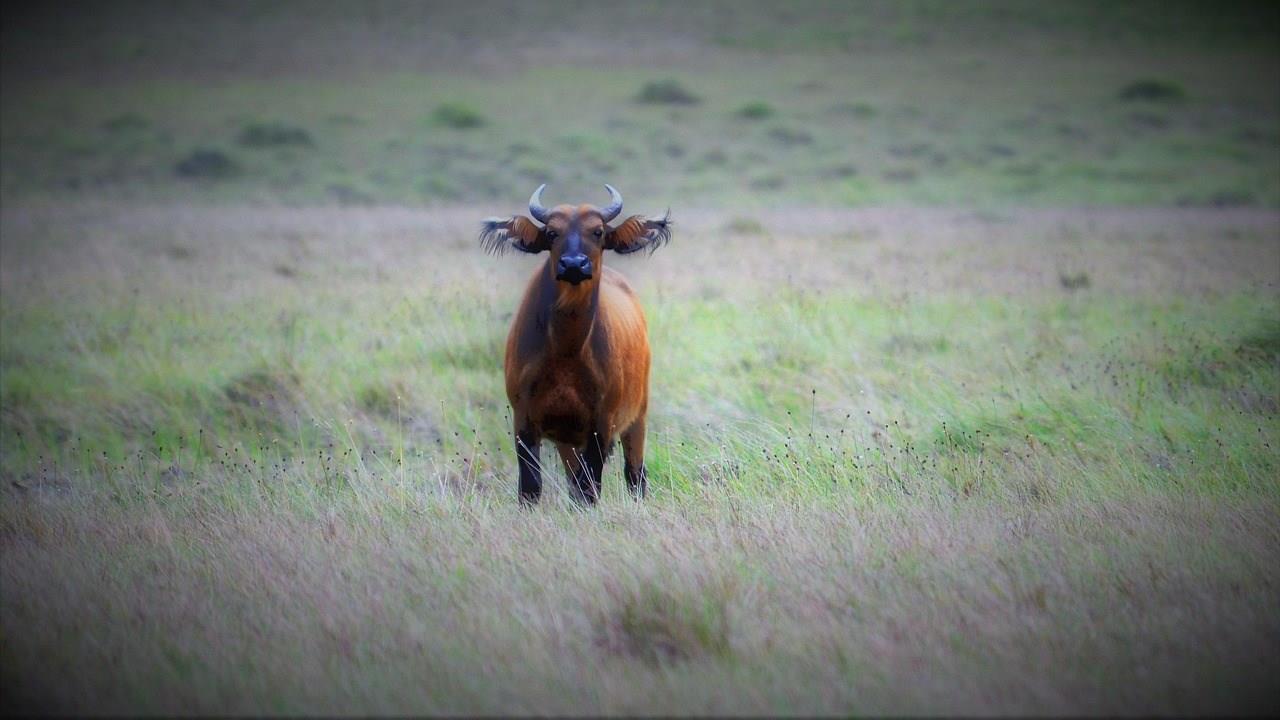
Gabon
Gabon, located on the west coast of Central Africa, is a country of lush rainforests, vast savannas, and a pristine Atlantic coastline. Despite its small population, it is home to remarkable biodiversity, including gorillas, chimpanzees, forest elephants, and countless bird species. National parks such as Loango and Ivindo protect these habitats, offering visitors a chance to experience Africa’s wildlife in relatively untouched landscapes.

A Coruna
Perched on the northern coast of Spain, A Coruña (or La Coruña) is a captivating city with a rich maritime heritage and scenic beauty. Dominated by its iconic lighthouse, the Torre de Hércules, which is the oldest functioning lighthouse in the world, A Coruña offers a unique glimpse into ancient engineering.
