
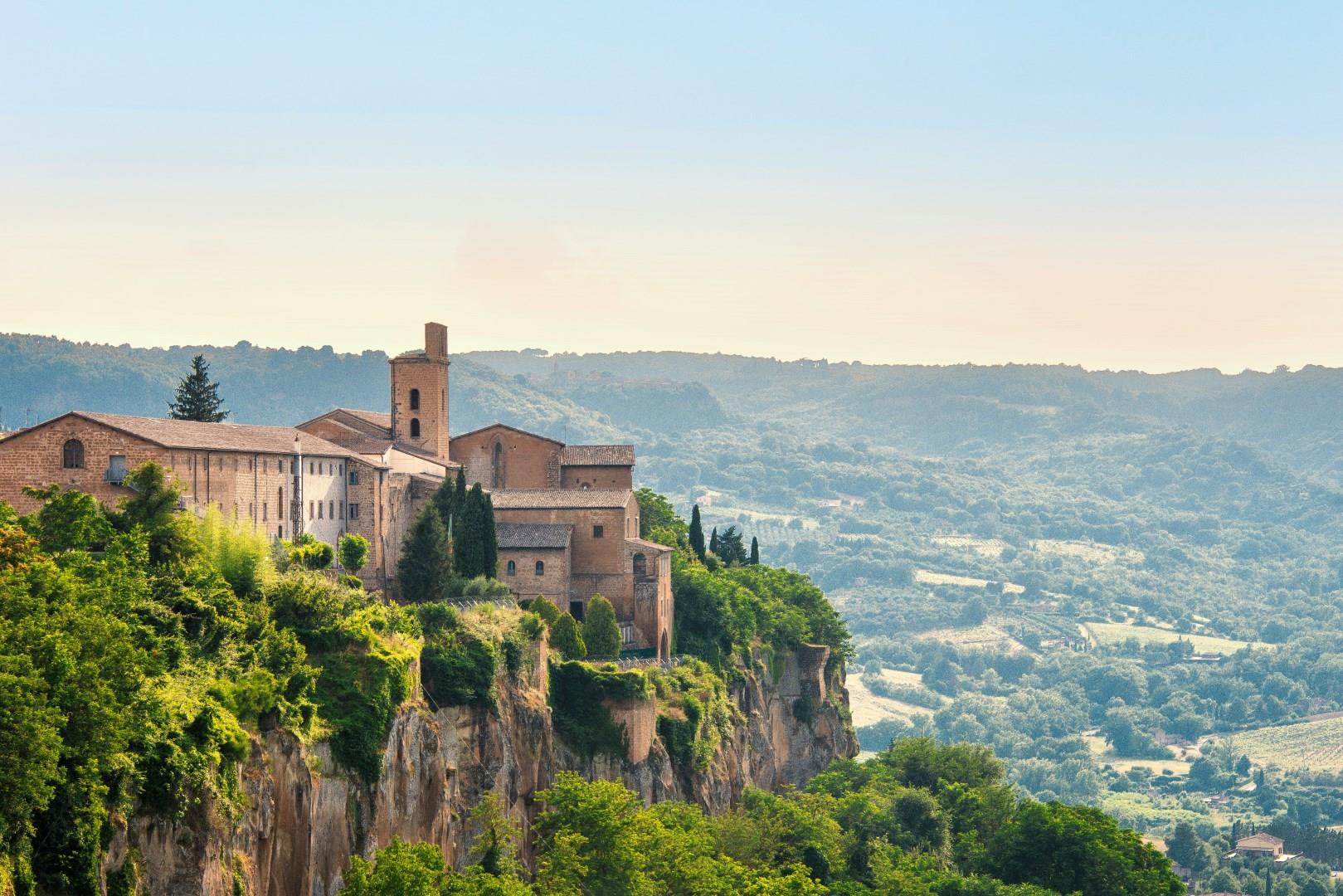
Orvieto
Orvieto, perched atop a volcanic tuff cliff in Umbria, Italy, is a town that effortlessly combines history, art, and striking landscapes. Its dramatic position overlooking the surrounding countryside immediately captures attention.

French Guiana
French Guiana, tucked between Brazil and Suriname on the northeast coast of South America, offers an unexpected blend of Amazonian wilderness, colonial intrigue, and French flair. As an overseas department of France, it uses the euro, speaks French, and has croissants alongside cassava bread at breakfast. Yet just beyond the cafés of Cayenne, vast rainforest stretches for hundreds of kilometers, home to rare wildlife, remote rivers, and Indigenous communities.

Caye Caulker
Caye Caulker lies off the coast of Belize, a small island that was once a quiet fishing village and today still feels wonderfully uncrowded compared to many Caribbean destinations. Its name likely comes from an English twist on “Hicaco,” the old Spanish name meaning coco plum, a nod to the island’s early days and bilingual roots.
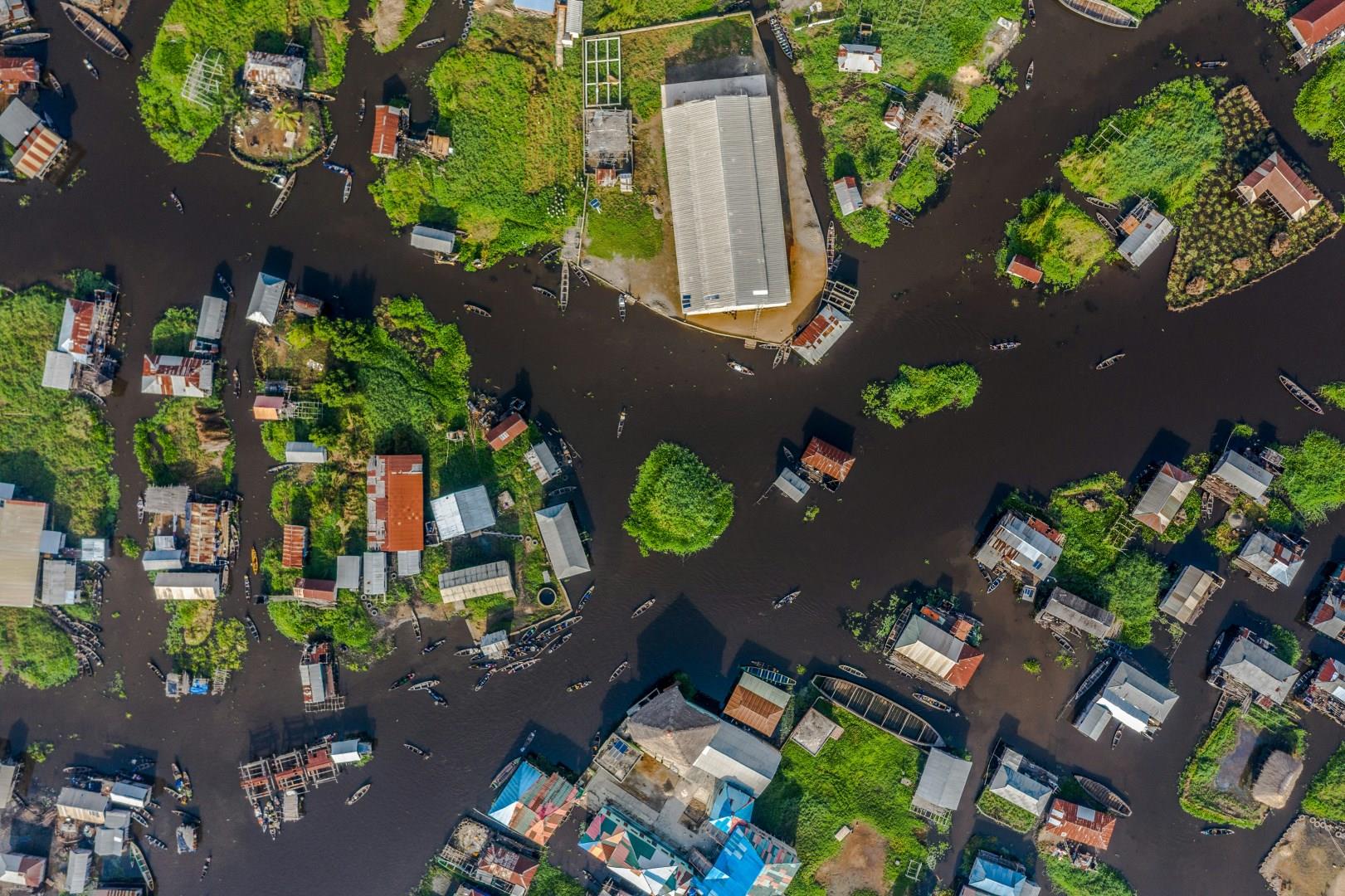
Ganvie
Ganvie, often called the "Venice of Africa," is a lake village located in the heart of Lake Nokoué in southern Benin. What makes Ganvie extraordinary is that the entire village sits on stilts above the water, with wooden homes, floating markets, and schools accessible only by boat. Visitors can glide through narrow canals in pirogues, experiencing firsthand a way of life shaped entirely by water.

Trondheim
Nestled along the Trondheim Fjord in central Norway, Trondheim offers a captivating blend of rich history and vibrant modern life. As Norway’s first capital, Trondheim boasts a legacy that includes the striking Nidaros Cathedral, an iconic landmark whose construction began in the 11th century.
