
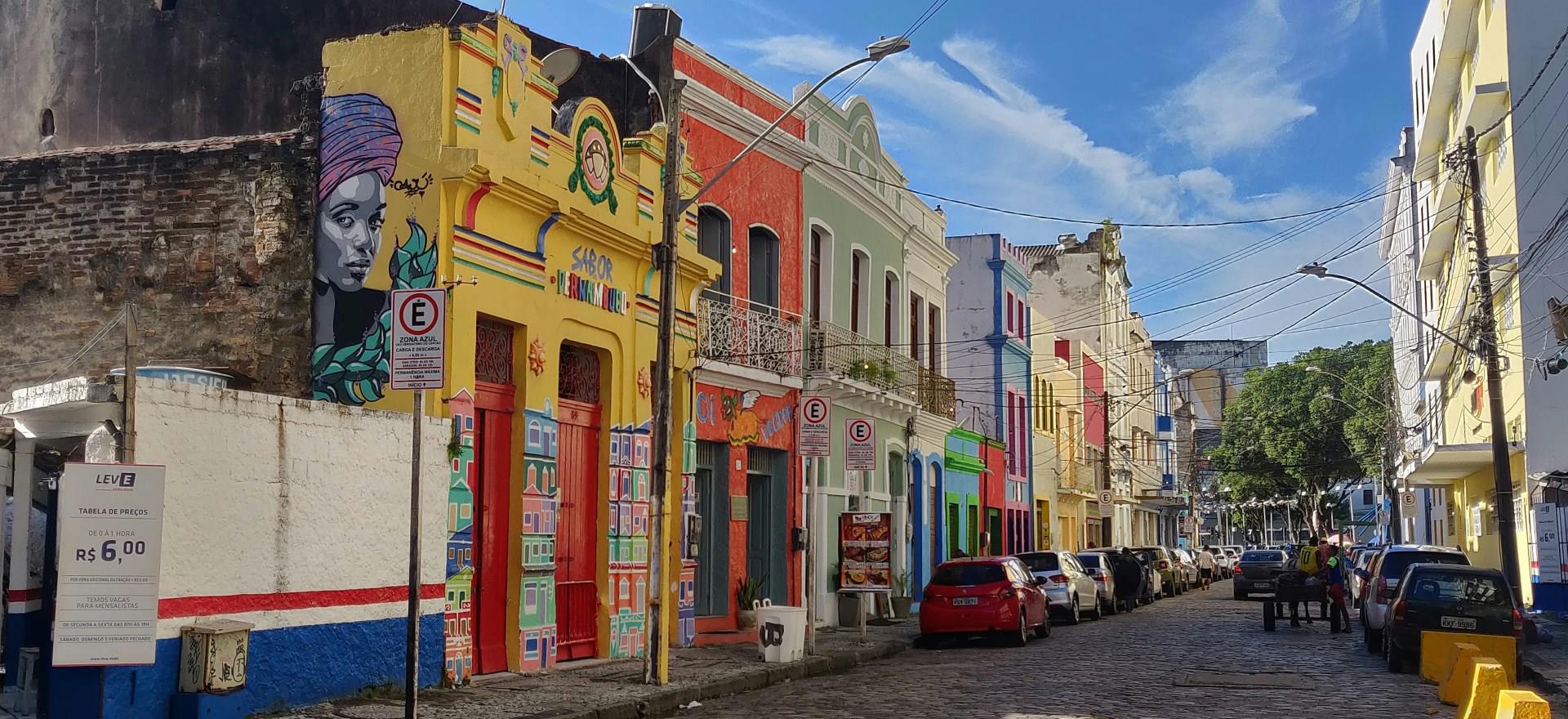
Recife
Recife spreads across a low-lying coastline in northeastern Brazil, shaped by rivers, bridges, and a long history of Atlantic exchange. Founded by the Portuguese and later occupied by the Dutch in the 17th century, the city carries layered influences visible in its street layout, fortifications, and religious buildings.

Willemstad
Willemstad, the capital of Curaçao, is unlike any other city in the Caribbean. With its pastel-colored buildings lining the waterfront and a layout shaped by Dutch colonial planning, the city blends European design with Caribbean culture. Its historic center, divided by Sint Anna Bay into Punda and Otrobanda, has been recognized as a UNESCO World Heritage Site.

Singapore
Singapore, a sovereign city-state in Southeast Asia, is known for its blend of modern innovation, cultural diversity, and green urban planning. Its skyline features striking architecture such as Marina Bay Sands and the Supertree Grove at Gardens by the Bay, while its neighborhoods highlight cultural influences from Chinese, Malay, Indian, and Peranakan heritage. The city is also celebrated for its efficiency, safety, and status as a global financial hub.

Santo Domingo
The capital city of the Dominican Republic is rich in history and beauty, boasting 16th-century Spanish architecture and the oldest cathedral in the Americas. The narrow streets of the old colonial city are a testament to the complex mixture of forces that contributed to the construction of the first European city in the Western Hemisphere.

Utah
Utah is renowned for its diverse landscapes and outdoor adventures. The state is home to the "Mighty 5" national parks: Arches, Bryce Canyon, Canyonlands, Capitol Reef, and Zion. Each park offers unique geological formations and breathtaking scenery, from the iconic Delicate Arch in Arches to the towering cliffs of Zion.
