
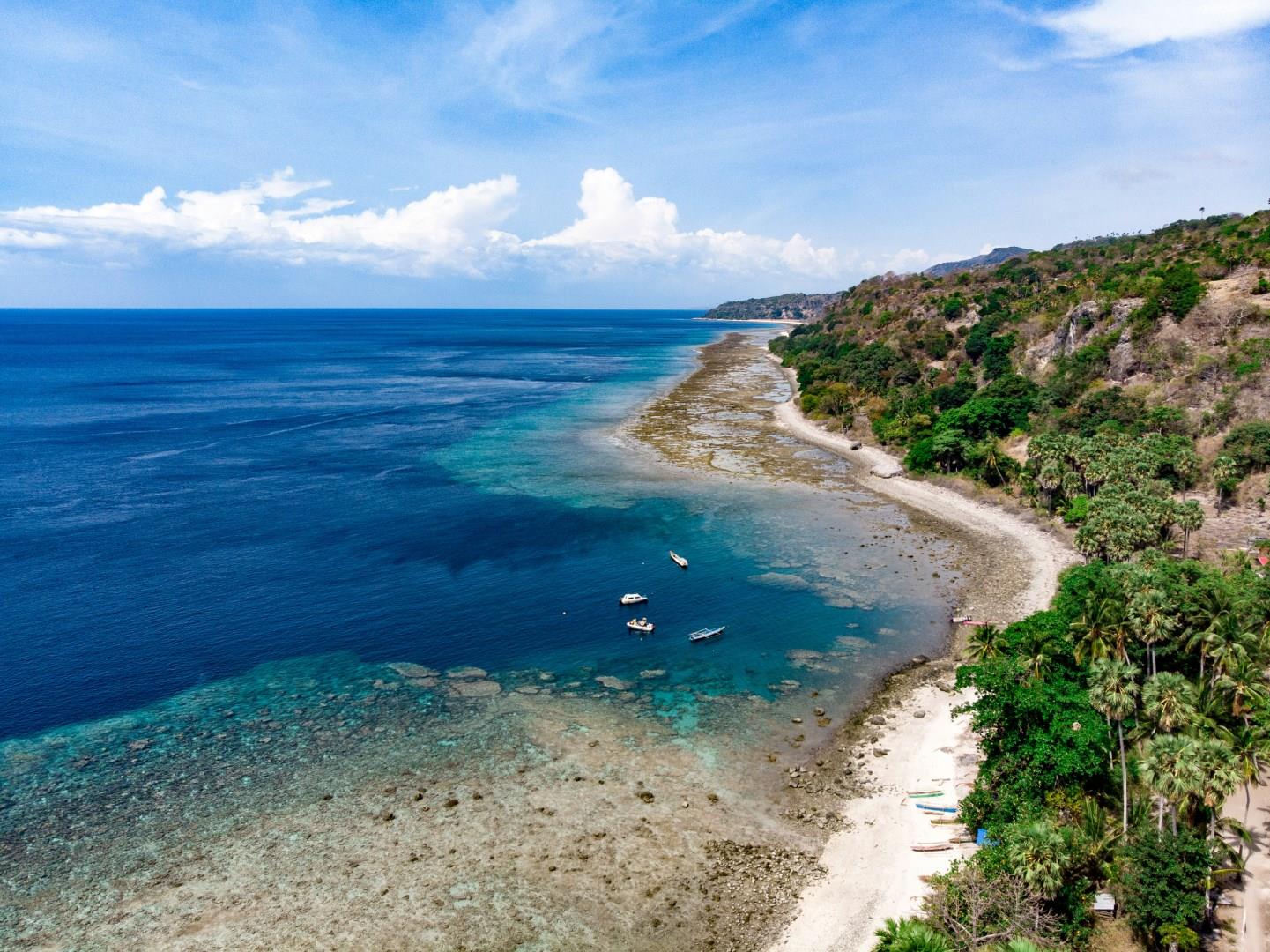
Adara
Adara is a small, remote village on Atauro Island in Timor-Leste, known for its quiet charm and deep connection to the sea. Nestled between steep mountain slopes and the turquoise waters of the Wetar Strait, the community lives largely from fishing and small-scale agriculture.

Salzburg
Nestled in the foothills of the Eastern Alps, Salzburg, Austria, exudes a timeless charm that combines Baroque splendor, musical heritage, and breathtaking natural beauty. The city is famously known as the birthplace of Wolfgang Amadeus Mozart, one of the world's greatest composers. Visitors can immerse themselves in the life and works of Mozart by visiting his birthplace, now a museum, on Getreidegasse, a picturesque street lined with wrought-iron signs and colorful facades.

Tunis
Tunis' white-washed, blue-shuttered buildings hide a treasure trove of Arabic and Ottoman art. Inspect illuminated manuscripts from the Koran, follow the twists and turns of the fascinating old Medina (inner city), marvel at the ornate Palace of Dar Ben Abduallah and the magnificent Djamaa-Ez-Zitouna Mosque, whose 184 columns were "recycled" from the rocky ruins of Carthage.
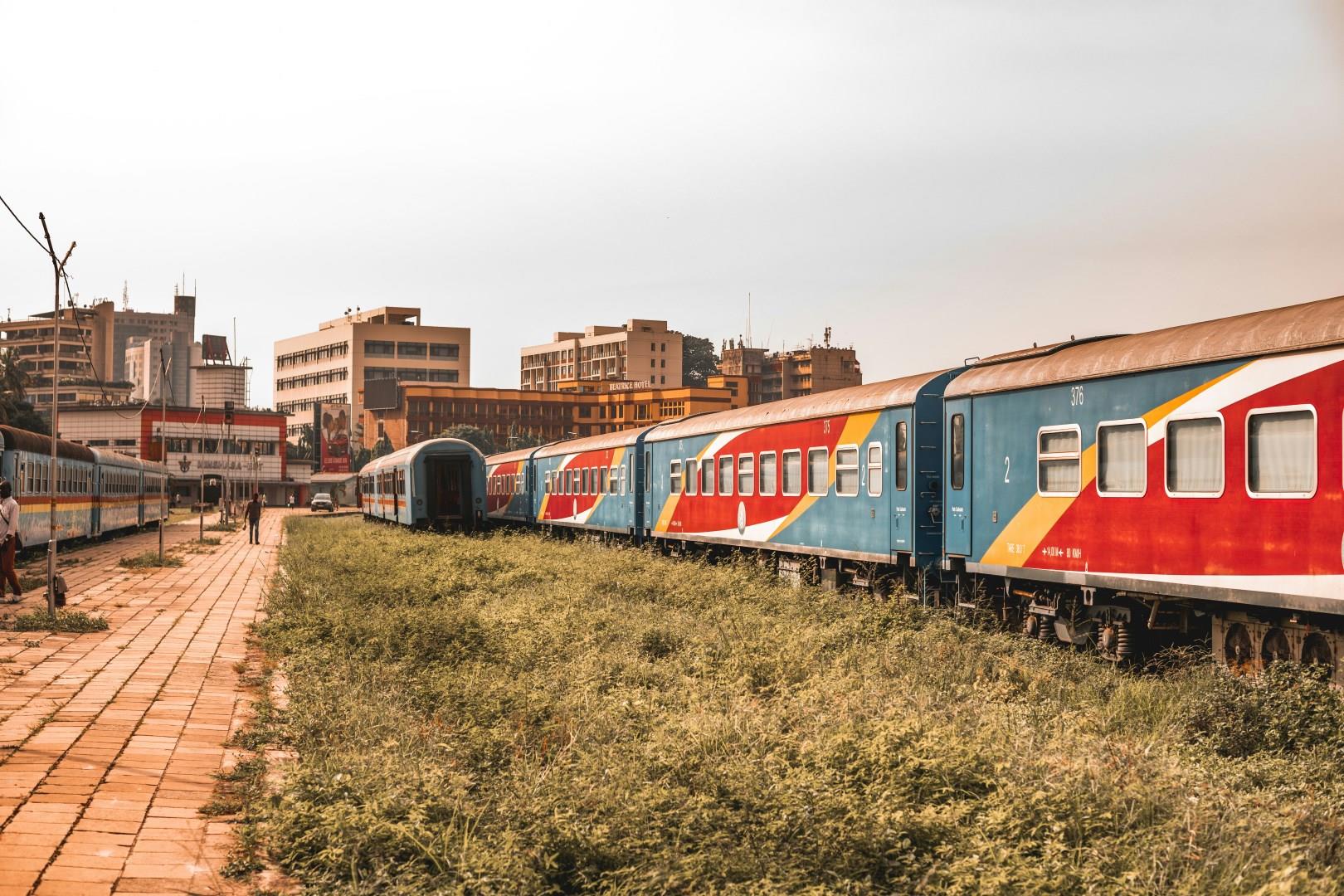
Kinshasa
Kinshasa, the capital of the Democratic Republic of the Congo, is one of Africa’s most vibrant and unpredictable cities. Sprawling along the banks of the Congo River, it’s the third-largest city on the continent and pulses with music, art, and personality at every turn. Across the river lies Brazzaville, making Kinshasa part of the only pair of national capitals facing each other across a single waterway.
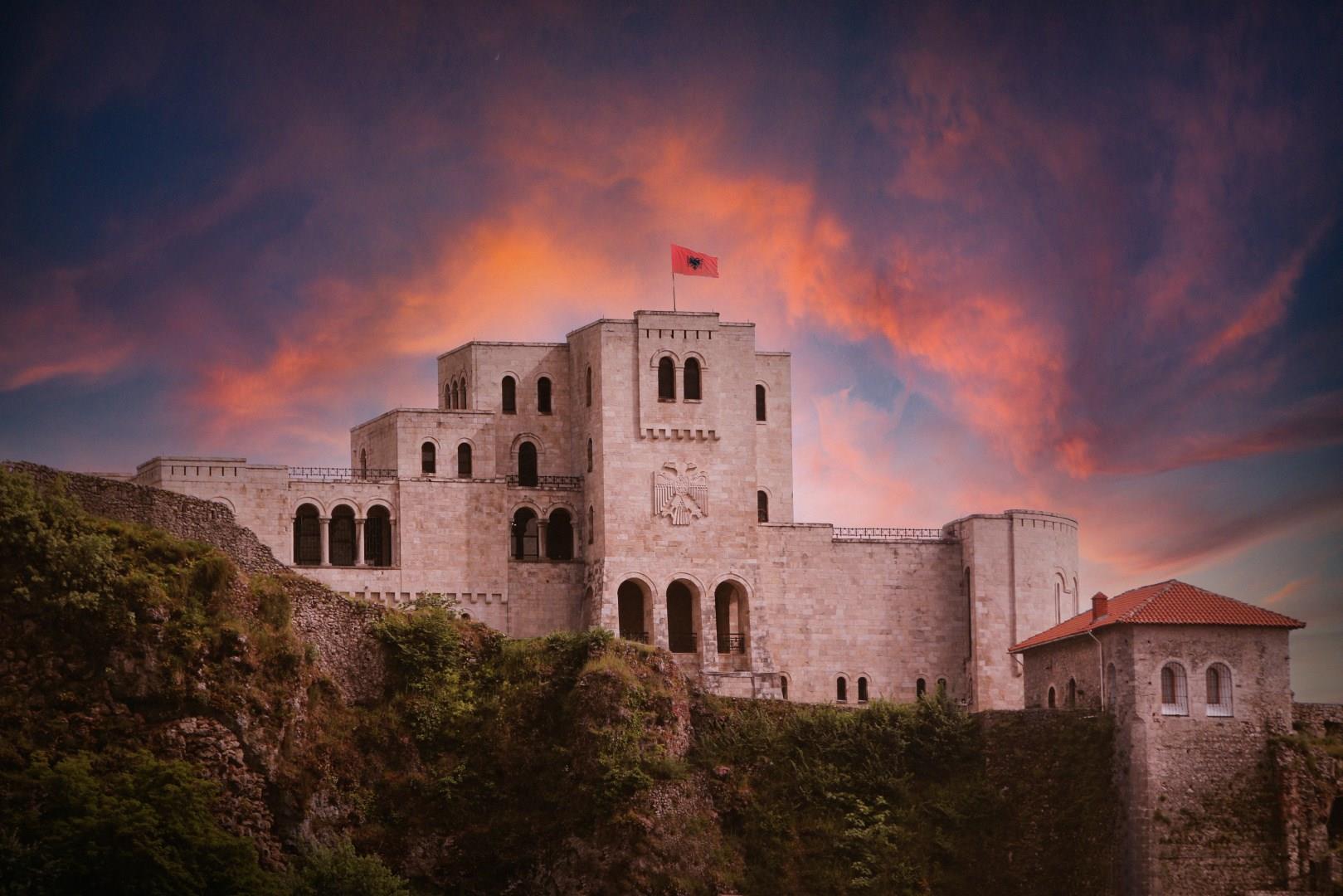
Krujë
Krujë sits on a rocky hilltop above central Albania and has long been a symbol of the country’s history and independence. At Krujë Castle ancient stone walls rise above the town and offer striking views of the surrounding hills and valleys, and inside the fortress visitors find the Skanderbeg Museum, where armor, documents and displays recount the life and battles of Albania’s national hero.
