
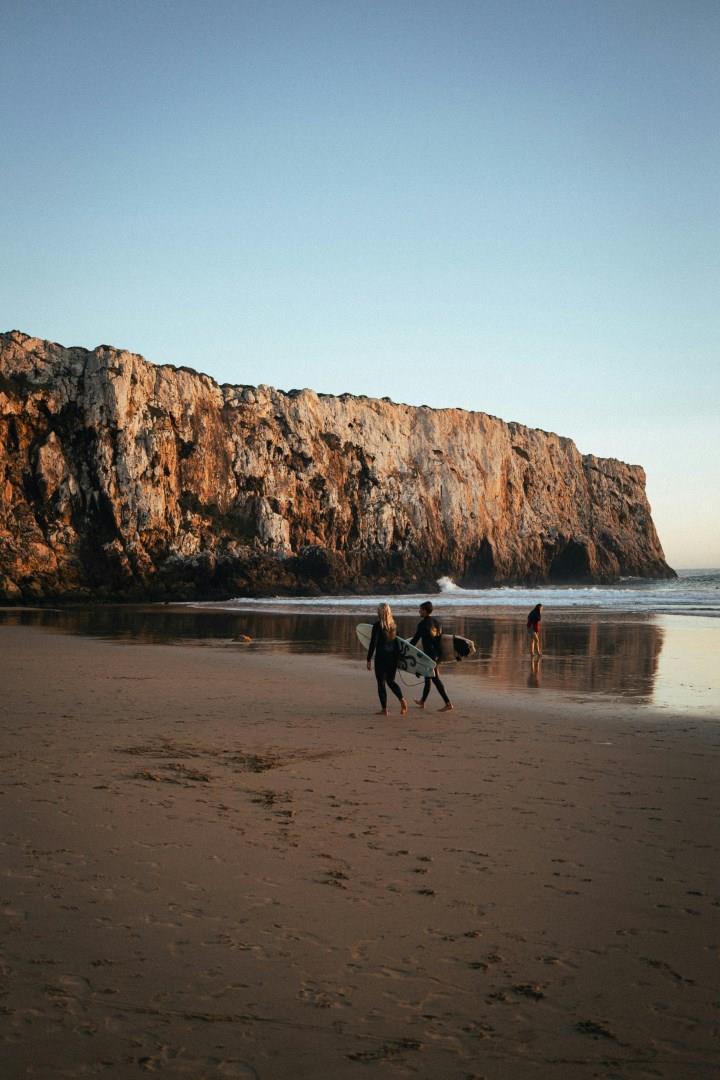
Sagres
Sagres sits at the southwestern edge of continental Europe in Portugal’s Algarve region, where the Atlantic’s wide horizon meets rugged cliffs and open skies. For centuries this point was linked to maritime adventure and visitors can still feel that sense of discovery in the air. Here, people like Prince Henry the Navigator gathered cartographers, shipbuilders and astronomers in the 1400s to push beyond maps of the known world and shape the early Age of Discovery from Sagres’ dramatic headlands.
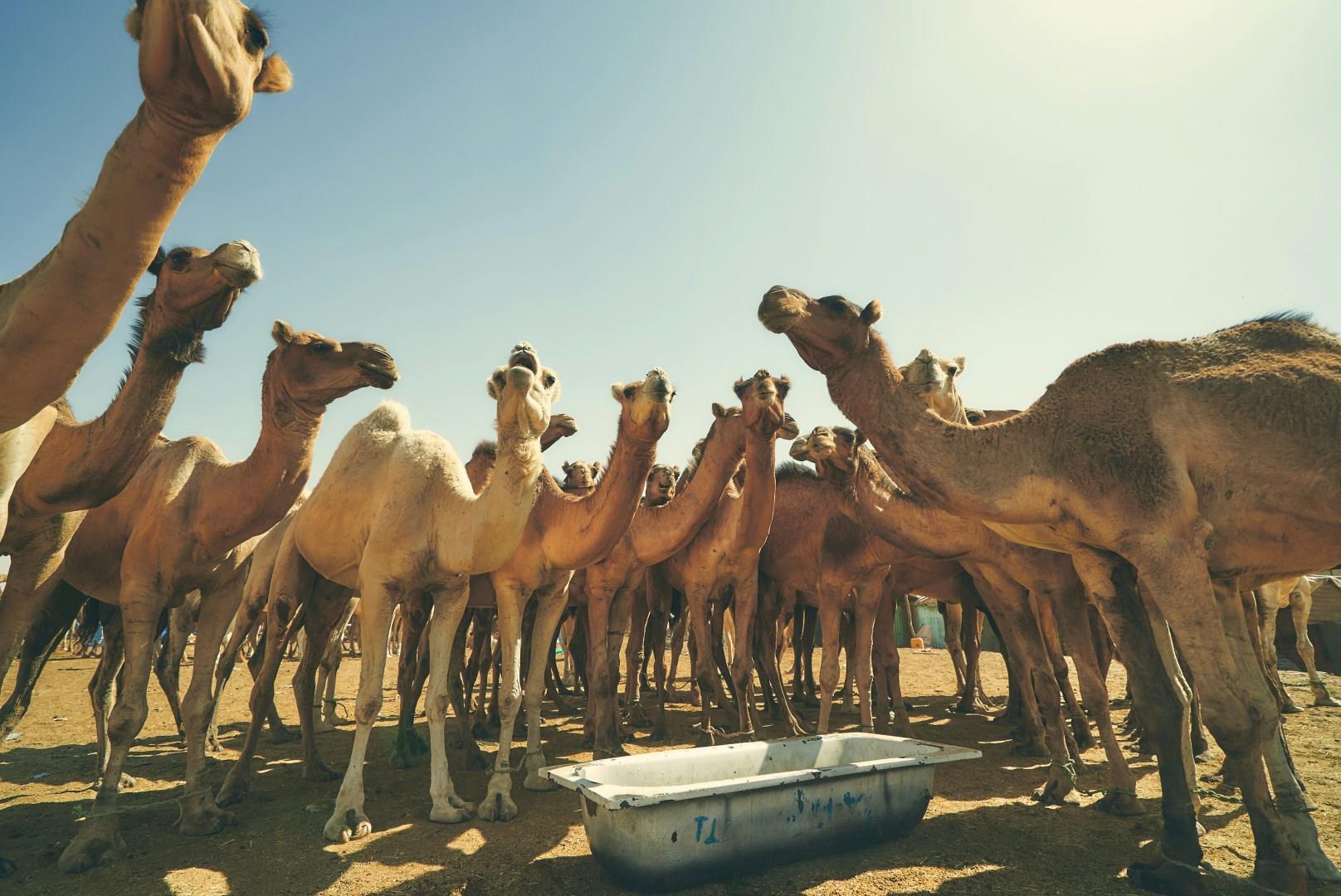
Nouakchott
Nouakchott, the capital of Mauritania, is a city that blends the desert’s quiet rhythms with the daily life of a growing urban center. Its coastal setting, unique cultural traditions, and access to the desert make Nouakchott both an introduction to Mauritania and a gateway to exploring the country further.
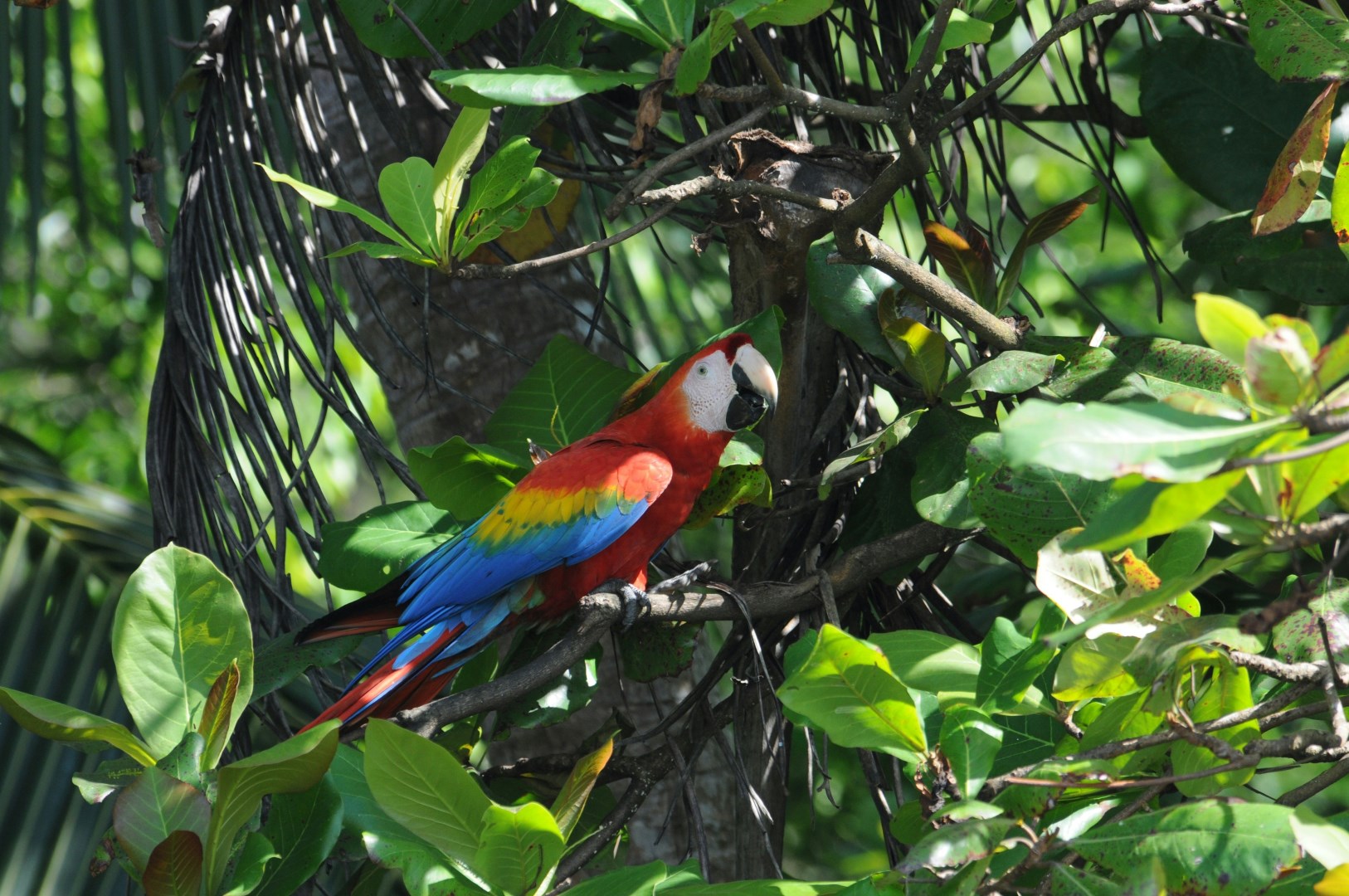
Corcovado
On the remote Osa Peninsula, Corcovado National Park unfolds as a vast stretch of rainforest meeting the Pacific Ocean. This protected area covers a large portion of the peninsula and is often described by scientists as one of the most biologically intense places on Earth. Dense jungle, quiet beaches, and winding rivers sit side by side, creating a landscape where visitors may walk from thick forest into open coastline within minutes.

Kehl
Originating as a tiny fishing village in 1038, modern Kehl has become an important link between Germany and France. Rhine River cruises most often use Kehl as their gateway to the much larger and better-known Strasbourg. The savvy traveler, though, might choose to skip the jaunt across the river and enjoy many similar sights, shopping and cuisine as those offered in the teeming French city.

St. Vincent & the Grenadines
St. Vincent & the Grenadines is a Caribbean nation that feels both adventurous and serene, a chain of lush islands and tiny cays scattered across turquoise waters. The main island of St. Vincent is dominated by volcanic landscapes, including the active La Soufrière volcano, whose slopes are covered in rainforest and dotted with waterfalls.
