

Ohrid
Ohrid, nestled on the shores of Lake Ohrid in North Macedonia, is a city steeped in history and natural beauty. Often referred to as the "Jerusalem of the Balkans" due to its rich cultural and religious heritage, Ohrid boasts an impressive array of Byzantine-era churches, including the stunning Church of St. John at Kaneo. Perched on a cliff overlooking the lake, this church offers breathtaking views and a glimpse into the city's spiritual past.
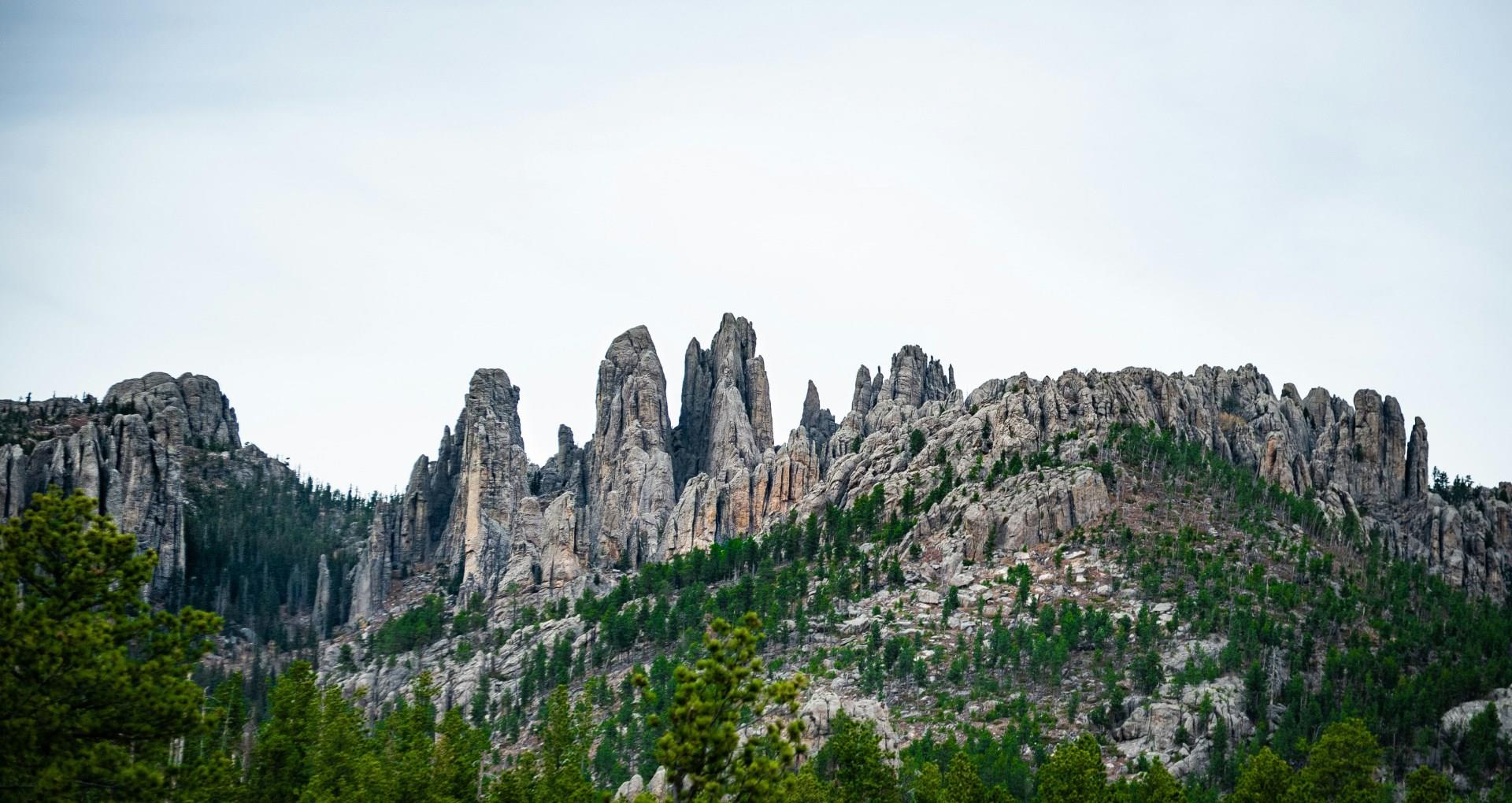
Custer State Park
Custer State Park, nestled in the Black Hills of South Dakota, offers a tapestry of natural beauty and wildlife. Known for its scenic drives and outdoor activities, the park is a haven for nature enthusiasts and adventure seekers alike. One of its most famous routes, the Needles Highway, weaves through towering granite spires and narrow tunnels, providing breathtaking vistas of the rugged terrain.

Las Vegas
Las Vegas, Nevada, is an electrifying city where glitz and glamour meet entertainment and excitement. Known as "The Entertainment Capital of the World," Las Vegas offers an unparalleled array of attractions, from its iconic casinos and luxurious hotels to its world-class dining and live shows. The city's entertainment scene is second to none, featuring legendary headliners, cutting-edge performances, and an array of themed attractions.

Positano
Perched on the cliffs of Italy's Amalfi Coast, Positano is a picturesque haven renowned for its dramatic beauty and charming character. This coastal gem is celebrated for its colorful, cascading buildings that cling to the steep hillsides, offering stunning views of the turquoise waters of the Tyrrhenian Sea. The town’s narrow, winding streets are lined with boutique shops, cafes, and restaurants, inviting visitors to explore its vibrant atmosphere.
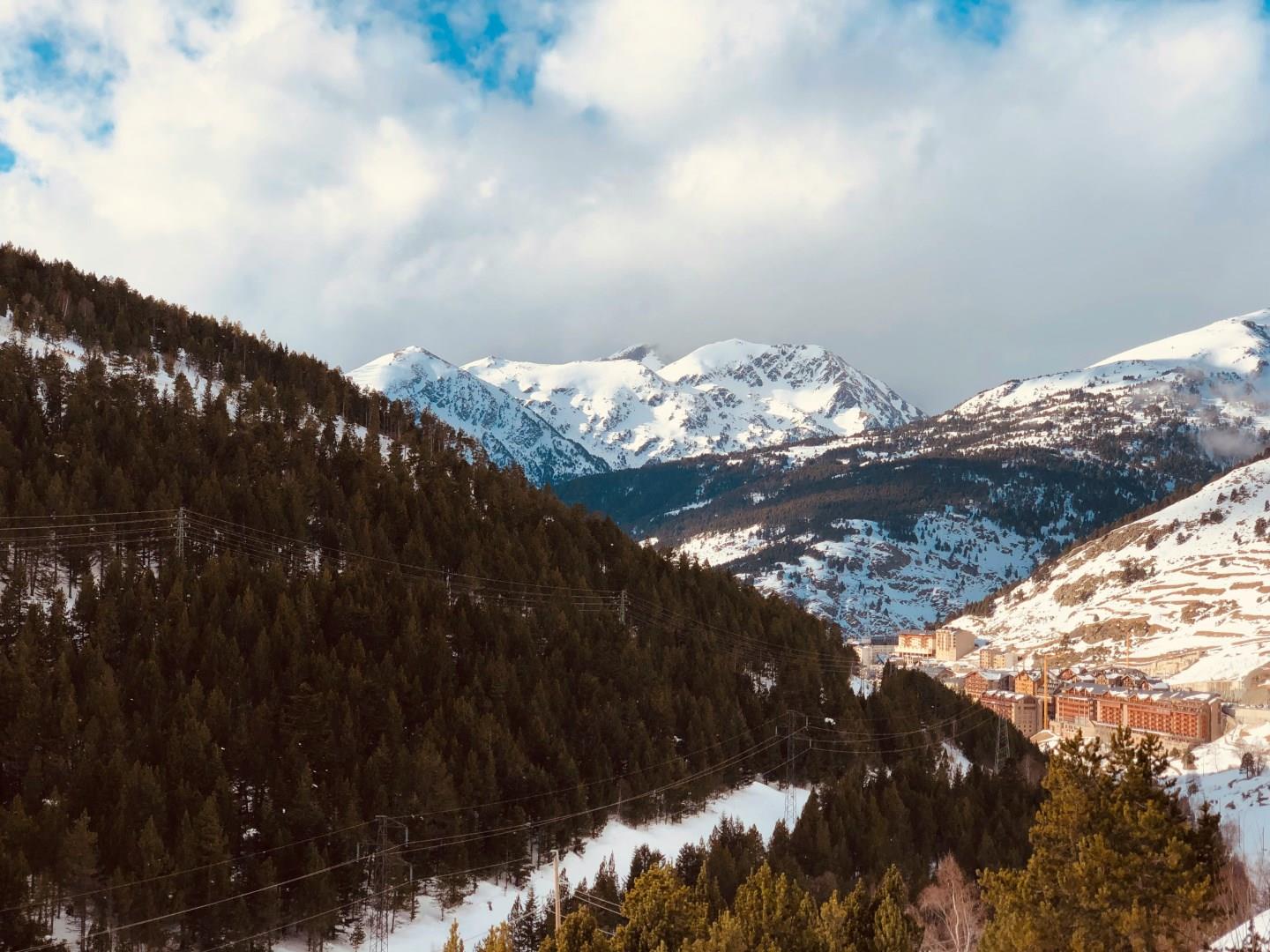
Soldeu
Nestled high in the Pyrenees, Soldeu is a mountain village in the principality of Andorra, best known for its access to Grandvalira, which is one of the largest ski areas in Southern Europe. At 1,800 meters above sea level, Soldeu has grown from a quiet farming village into a winter destination with over 200 kilometers of slopes. It hosted World Cup alpine ski races in 2019 and is scheduled to host the Finals again in 2029.
