

Zákynthos
Zakynthos, also known as Zante, is a Greek island that captivates visitors with its stunning natural beauty and rich cultural heritage. Renowned for its breathtaking beaches, the island's most famous attraction is Navagio Beach, also known as Shipwreck Beach. This picturesque cove, accessible only by boat, features an iconic shipwreck lying on powdery white sand surrounded by dramatic limestone cliffs and crystal-clear turquoise waters.

Arches National Park
Arches National Park, located in eastern Utah, is a mesmerizing landscape filled with more than 2,000 natural stone arches, pinnacles, and balanced rocks sculpted by centuries of wind and water erosion. One of the most iconic landmarks is Delicate Arch, a freestanding red rock formation that has become a symbol of Utah itself.

Positano
Perched on the cliffs of Italy's Amalfi Coast, Positano is a picturesque haven renowned for its dramatic beauty and charming character. This coastal gem is celebrated for its colorful, cascading buildings that cling to the steep hillsides, offering stunning views of the turquoise waters of the Tyrrhenian Sea. The town’s narrow, winding streets are lined with boutique shops, cafes, and restaurants, inviting visitors to explore its vibrant atmosphere.

Airlie Beach
Located on the coast of Queensland, Australia, Airlie Beach is a favorite stop for cruises along the Great Barrier Reef. This coastal paradise offers spectacular beaches and easy access to the Whitsunday Islands, Conway National Park, and, of course, the Great Barrier Reef.
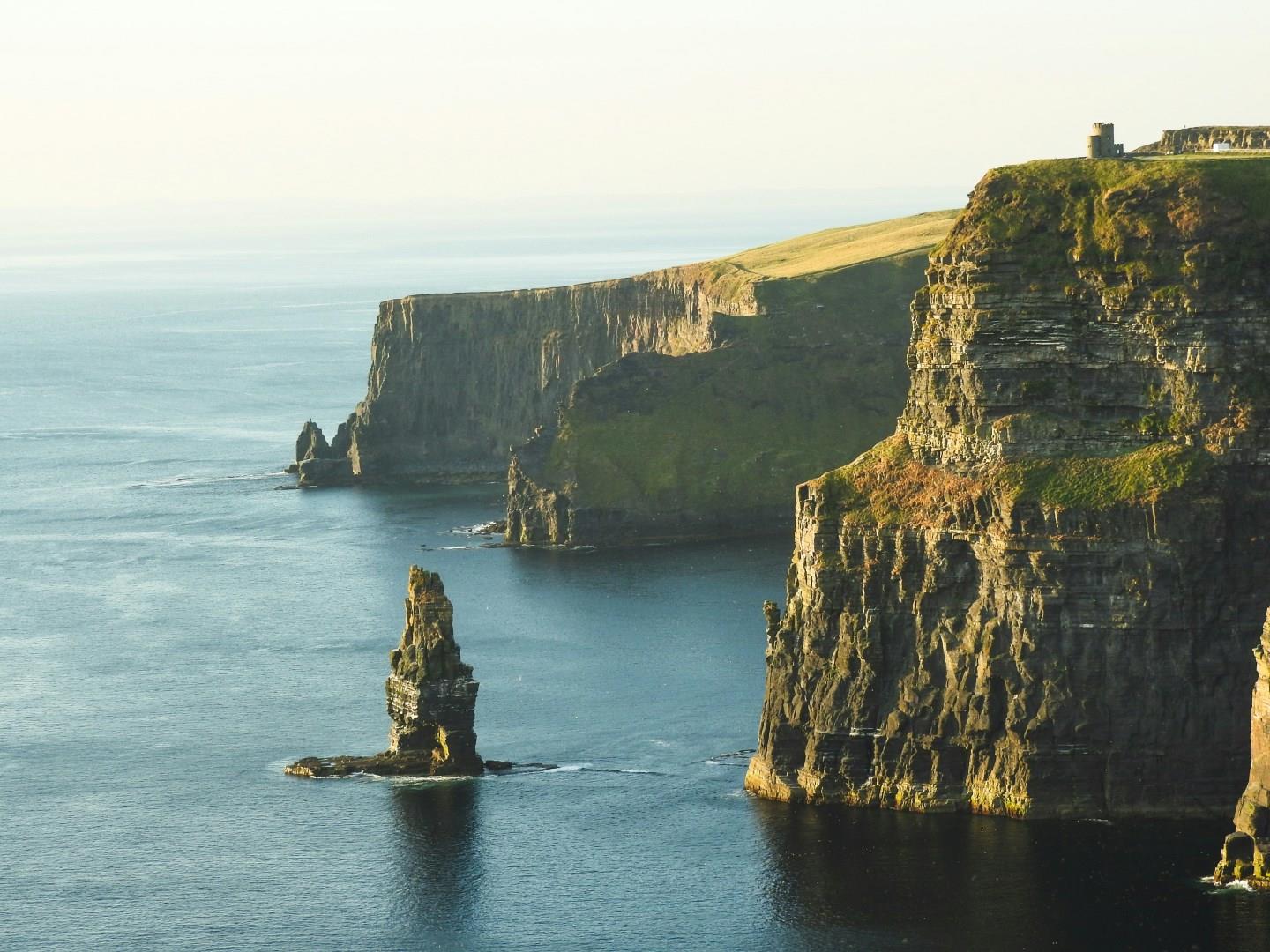
Cliffs of Moher
The Cliffs of Moher rise dramatically from the Atlantic Ocean, stretching for about 8 kilometers along Ireland’s western coast in County Clare. At their highest point near O'Brien's Tower, the cliffs reach 214 meters, offering uninterrupted views of the Aran Islands, Galway Bay, and the craggy peaks of Connemara on a clear day. These ancient sea cliffs have stood for over 300 million years and remain one of the most visited and photographed sites in Ireland.
