

India
Considered a hub for the world’s information technology industry, India is a major player in the global economy, and its cosmopolitan cities, including Delhi and Mumbai, offer a mosaic of modern and historic architectural styles for locals and visitors alike to enjoy.
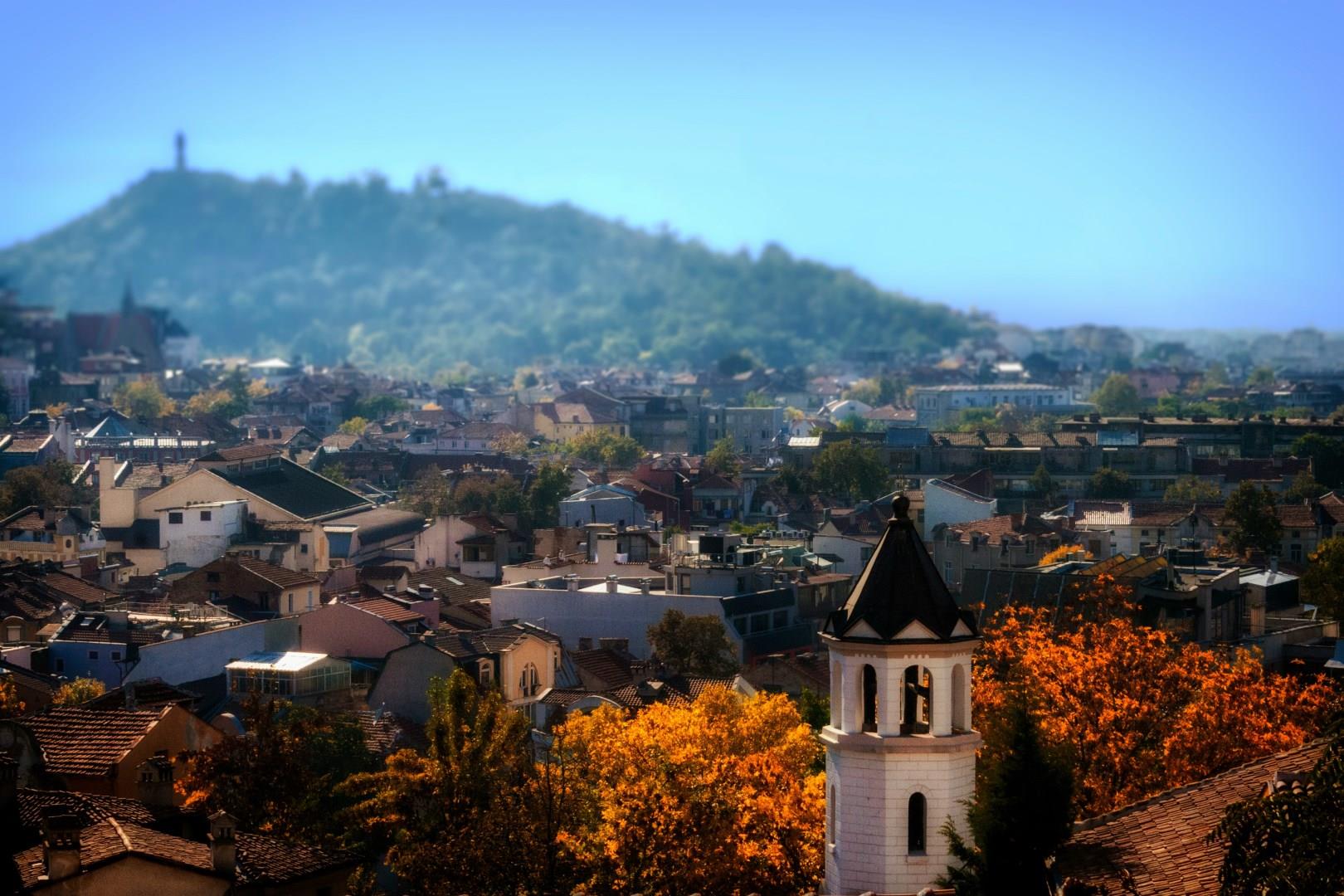
Plovdiv
Plovdiv, one of the oldest continuously inhabited cities in Europe, carries over 8,000 years of history layered into its streets. The Roman Theater, still in use today, was discovered by accident in the 1970s and now hosts operas and concerts overlooking the Rhodope Mountains. Nearby, visitors can walk the remains of a Roman stadium buried beneath the main pedestrian street, where modern shops and cafés stand above ancient foundations.
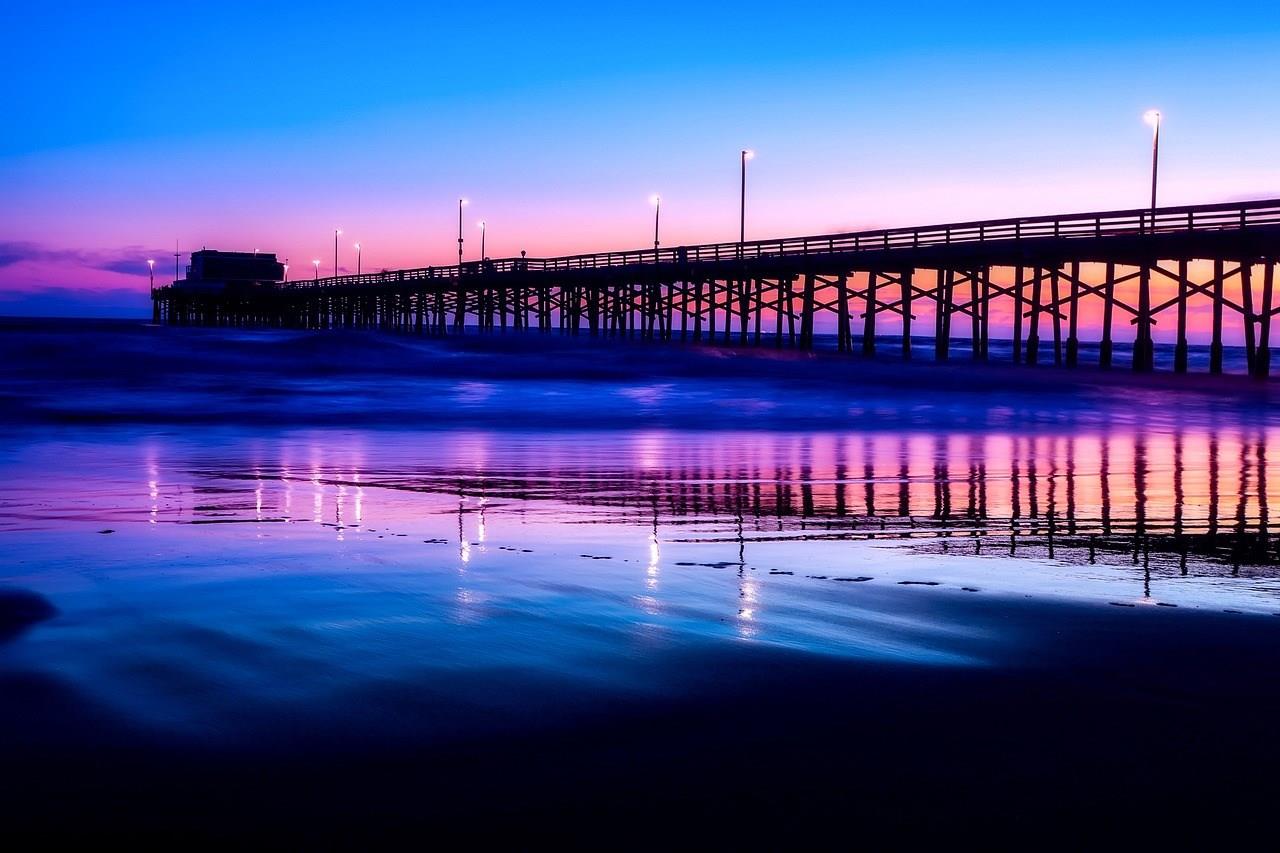
Newport Beach
Newport Beach, California, offers the quintessential Southern California experience, with its golden beaches, luxurious homes, and a laid-back yet upscale vibe. Nestled along the Orange County coastline, this sun-soaked destination is famous for its pristine beaches, including the iconic Newport Beach Pier, where visitors can enjoy surfing, sunbathing, or simply soaking in panoramic ocean views.

Monument Valley
Monument Valley, a majestic expanse on the Arizona-Utah border, is one of the most iconic landscapes of the American Southwest. Renowned for its towering red sandstone buttes and mesas that rise dramatically from the desert floor, this breathtaking site evokes the spirit of the Old West. Often depicted in classic Western films, the valley is best experienced along the 17-mile scenic drive that winds through Monument Valley Navajo Tribal Park, offering close-up views of famed formations like the
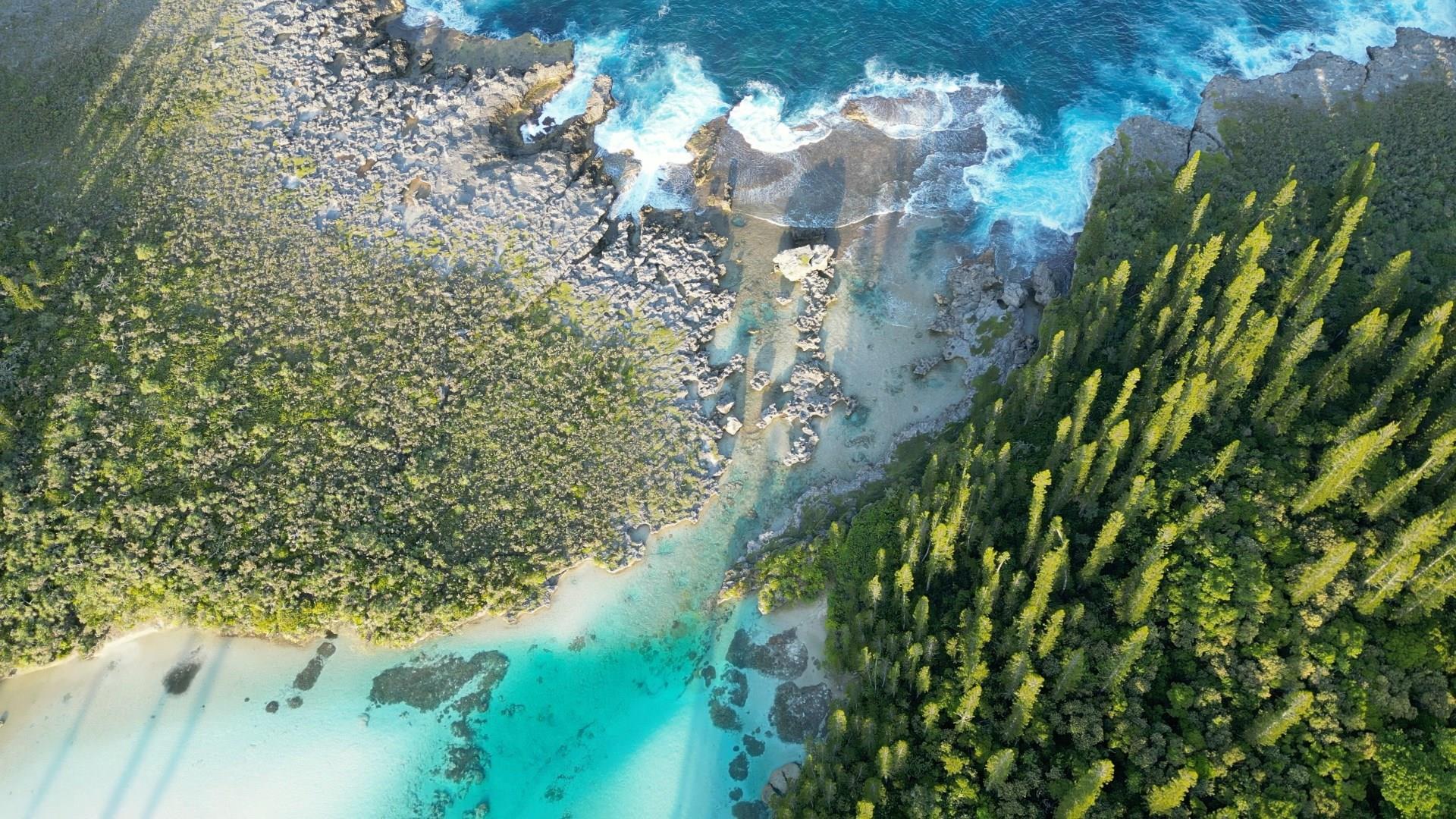
Ile Des Pins
Île des Pins, often referred to as the "Island of Pines," is a serene paradise located in New Caledonia. This tropical haven is renowned for its pristine beaches, turquoise lagoons, and lush pine forests, offering visitors an idyllic escape from the everyday. The island's charm extends beyond its beaches. The Pic N'Ga peak offers panoramic views of the island's lush landscape, accessible via a scenic hike through dense forest.
