

Hallstatt
Nestled between the serene waters of Lake Hallstatt and the towering Dachstein mountains, Hallstatt, Austria, is a picturesque gem that seems almost too perfect to be real. This UNESCO World Heritage site is renowned for its stunning alpine scenery and charming architecture. Wander through the narrow streets lined with 16th-century houses and experience the timeless beauty that has captivated visitors for centuries.

Kristiansand
Located on the southern coast of Norway, Kristiansand is a charming port city and a favorite summer destination for locals and tourists alike. Highlights of this coastal gem include the Christiansholm Fortress, the Kristiansand Zoo, the Kristiansand Cathedral, Gimle Gård, and the Fiskebrygga wharf.

San Antonio
San Antonio is a city where centuries-old missions, lively markets, and a strong sense of place come together in unexpected ways. At the heart of it all is the Alamo, the former Spanish mission that became a symbol of Texas independence after the pivotal 1836 battle. Beyond its landmarks, San Antonio thrives through its neighborhoods. The River Walk weaves through downtown, lined with restaurants, shops, and galleries.
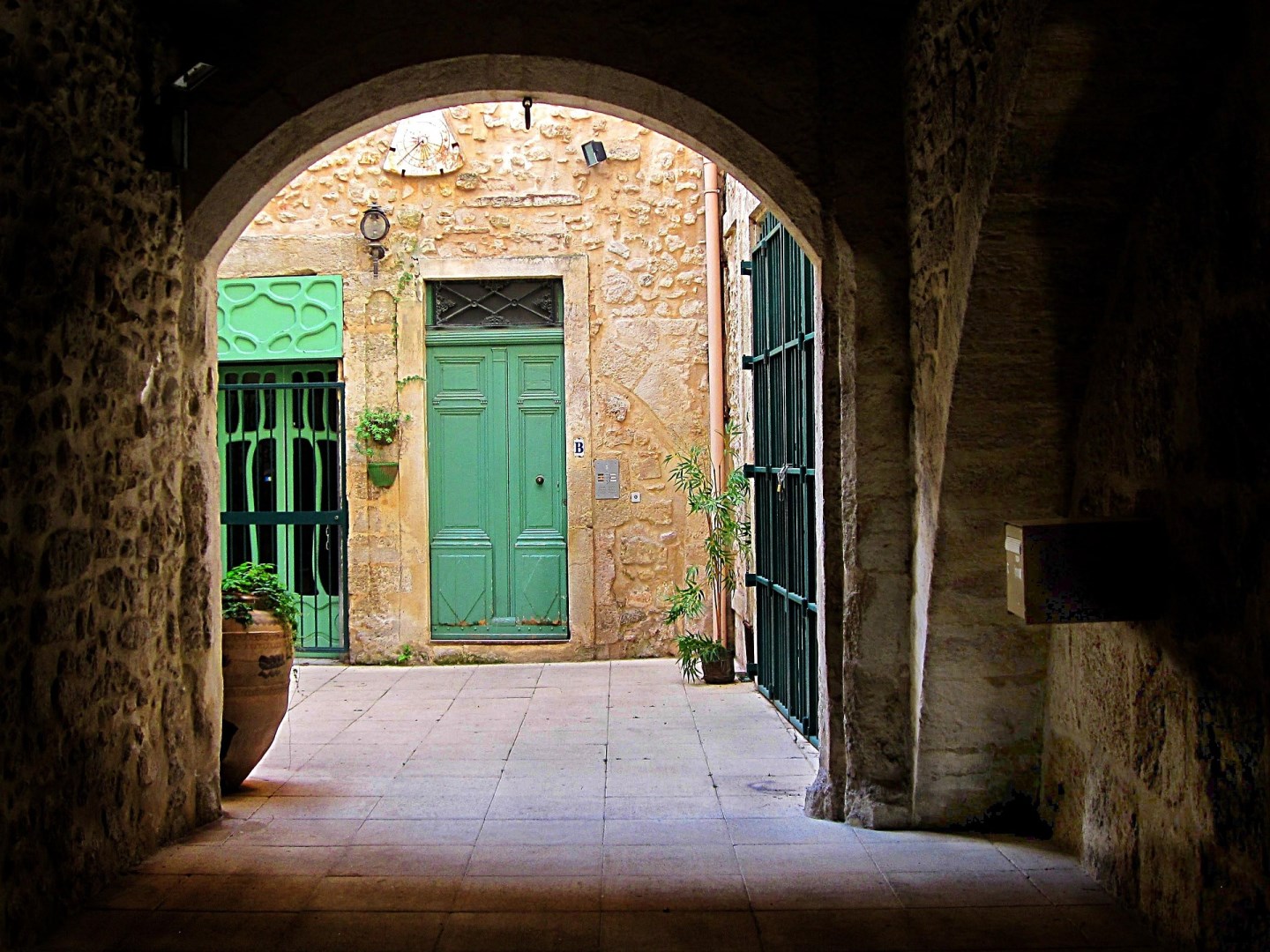
Béziers
Beziers today is a dynamic city whose oldest houses are laid out in the elliptical pattern revealing the underlying Roman Amphitheatre, which is currently being excavated. The Beziers townspeople are passionate about rugby and the bullfights held in their modern arena.

Selous Game Reserve
Located in the south of Tanzania, the Selous Game Reserve is one of the largest. Thanks to the undisturbed wilderness and diverse wildlife, it was named a UNESCO World Heritage site in 1982.
