

Uruguay
Uruguay may be one of South America's smallest countries, but it packs a striking variety of experiences into its compact borders. From the cobbled streets of Colonia del Sacramento to the avant-garde coastline of José Ignacio, Uruguay blends old-world charm with modern personality. Montevideo, the capital, offers a glimpse into everyday life with its seaside promenade, called the “Rambla,” which stretches over 20 kilometers along the Río de la Plata.

Palermo, Sicily
Palermo, the vibrant capital of Sicily, Italy, is a city where history, culture, and gastronomy converge in a kaleidoscope of experiences. A walk through Palermo is like stepping into a living museum, where Byzantine, Arab, Norman, and Baroque influences blend seamlessly. The Palermo Cathedral, a masterpiece of architectural evolution, showcases a mix of styles from its Norman origins to later Baroque and Neoclassical elements.

Wyoming
From Yellowstone National Park to the towering peaks of the Grand Tetons, Wyoming is home to some of the most dramatic and diverse landscapes in the country.

Bornholm
Bornholm, a picturesque Danish island in the Baltic Sea, offers a unique blend of natural beauty and cultural charm. Renowned for its rugged coastline and charming villages, Bornholm is a haven for outdoor enthusiasts. The island's northern coast is particularly famous for its dramatic cliffs and clear waters, perfect for hiking and cycling.
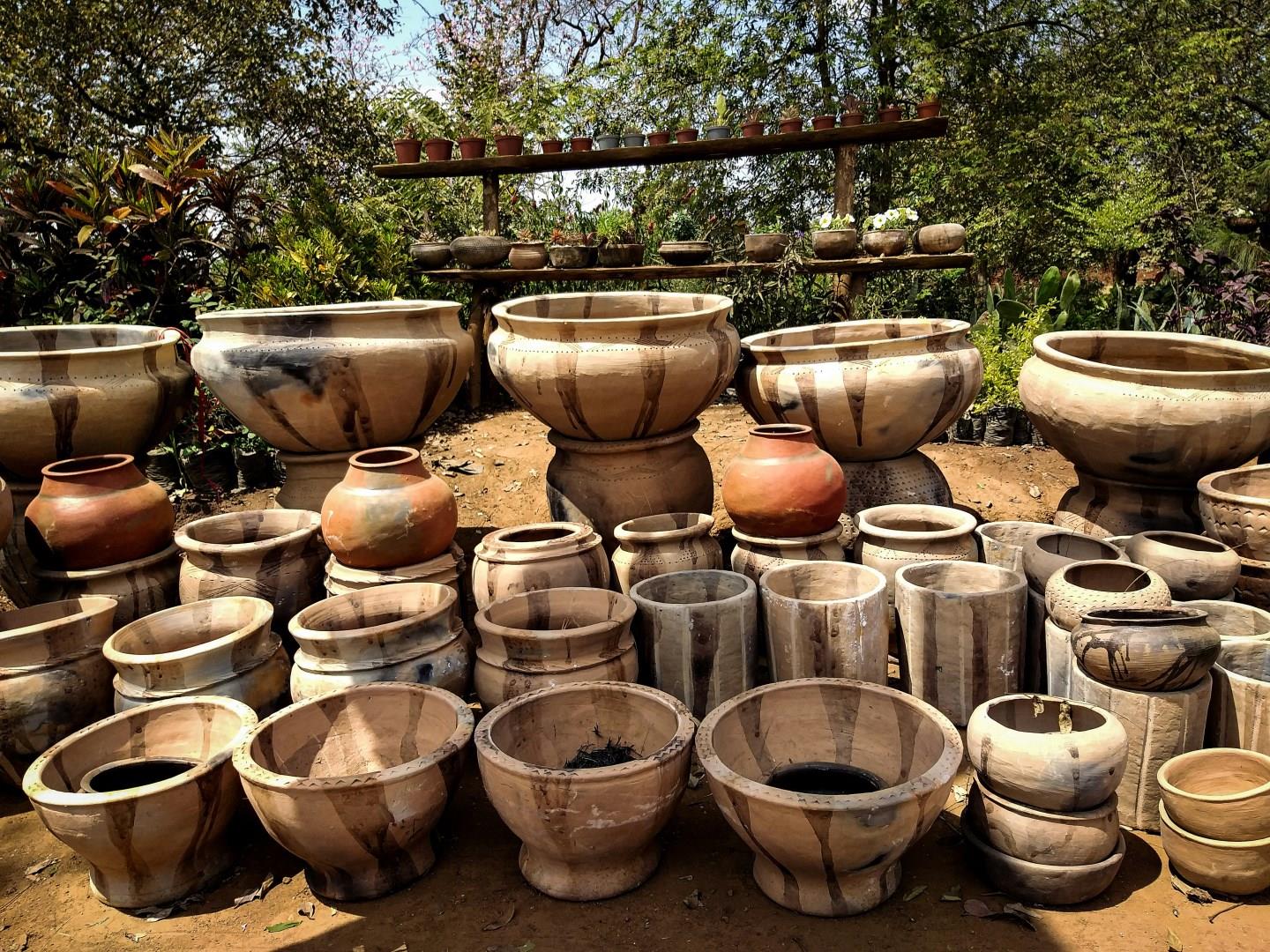
Lilongwe
Lilongwe, the capital of Malawi, blends modern development with a laid-back atmosphere, offering visitors an introduction to the country’s culture and daily life. Markets are at the heart of Lilongwe’s character, with the bustling Old Town Market standing out as a must-visit. Here, traders sell everything from fresh produce and local crafts to colorful fabrics and handmade goods.
